
Comprehensive Guide to Selecting the Perfect Assisted Living Community for Your Loved One
Discover a comprehensive guide to choosing the ideal assisted living community for your loved one. Learn how to evaluate care needs, safety features, accommodations, activities, and location to ensure a comfortable, safe, and enriching environment. This detailed approach helps families make informed decisions, prioritizing the happiness and well-being of seniors. Find practical tips on inspecting facilities, engaging with staff and residents, and selecting the best community that fits your loved one’s lifestyle and health requirements, ensuring peace of mind for families.
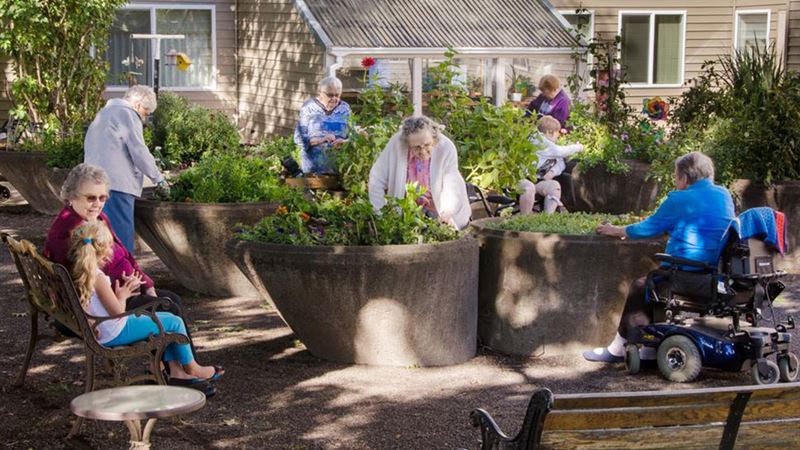
Choosing the right assisted living facility is a crucial decision that significantly impacts your loved one's quality of life. It requires careful consideration of various factors to ensure that they receive appropriate care, enjoy a comfortable environment, and feel at home. This comprehensive guide aims to provide detailed insights into the essential aspects to evaluate when searching for an ideal assisted living community, helping families make informed and confident choices.
First and foremost, understanding the specific needs of your loved one is vital. Whether they require assistance with daily activities, medical supervision, or mental stimulation, identifying these requirements will streamline your search process. Creating a list of essential care services and preferences helps in narrowing down potential communities that can cater to these needs effectively.
Next, inspecting the living arrangements within the facility ensures that your loved one will thrive in a comfortable and safe environment. Evaluate the quality of the accommodations by checking whether rooms are well-ventilated, adequately lit, and furnished with appropriate amenities. Privacy is also an important aspect; verify if private bathrooms are available and whether there’s sufficient storage space such as closets and cabinets that are easy to access. The overall atmosphere should feel homelike, inviting residents to feel relaxed and at ease, promoting a lasting sense of community.
Staff quality and their dedication are pivotal in delivering superior care. Investigate the qualifications, training, and experience of the staff members. It’s essential they possess the necessary skills to handle the specific needs of elderly residents. Additionally, engaging with current residents provides valuable insights into their experiences. Satisfied and happy residents often reflect the community's overall quality and level of care. Don’t hesitate to ask residents about their daily routines, social activities, and their general satisfaction to gauge whether the community aligns with your loved one’s personality and preferences.
Safety measures within the facility are non-negotiable. Conduct a thorough safety inspection, paying attention to features designed to prevent accidents and facilitate emergency responses. Look for safety installations such as grab bars, especially in bathrooms, and handrails along hallways to assist with mobility. Confirm the presence of smoke detectors, sprinkler systems, and emergency alarm systems. Additionally, evaluate the external environment — grounds should be well-lit, pathways accessible for wheelchairs and walkers, and the entryways secure to prevent unauthorized access. These precautions help ensure peace of mind for families and comfort for residents.
Facility activity schedules significantly influence the overall well-being of residents. A vibrant community offers a variety of events, social gatherings, and recreational activities tailored to diverse interests and abilities. Examine the activity calendar to ensure it aligns with your loved one’s hobbies and passions. Engaged residents tend to be happier, healthier, and more socially connected. Activities may include arts and crafts, music sessions, physical exercises, games, or cultural outings, all fostering a lively, stimulating environment that promotes mental and physical health.
Location and accessibility are equally critical in choosing an assisted living community. Ideally, the facility should be conveniently located close to family members, medical facilities, and essential services. Accessibility is key; the environment must accommodate mobility aids seamlessly, with features like wide hallways, ramps, and elevators. Also, consider the neighborhood’s atmosphere — a peaceful, friendly community can greatly enhance your loved one’s sense of belonging and comfort. Visiting the site beforehand allows you to assess the surroundings and determine if it feels safe, welcoming, and appropriately situated for your family’s needs.
In conclusion, selecting an assisted living community involves thorough research, thoughtful evaluation, and personal visits. Prioritize your loved one’s specific care requirements, comfort, safety, and happiness. By taking these comprehensive steps, you can find a community that not only provides exceptional care but also fosters a nurturing environment where your loved one can thrive, maintain dignity, and enjoy meaningful social engagement.