
Comprehensive Guide to Selecting the Ideal Ceiling Fan for Your Space
Choosing the right ceiling fan enhances comfort and style in your home or outdoor space. This guide covers matching styles to decor, understanding motor types and efficiency, optimizing airflow, and selecting suitable control options, ensuring you make an informed decision for energy savings and aesthetic appeal.
Matching Fan Style with Interior Decor
One of the first steps in selecting a ceiling fan is to consider your interior design theme. For rustic, country-style interiors, fans with straight lines, dark wood finishes, or bamboo and rattan blades can beautifully complement the space. These materials evoke natural, earthy vibes and blend seamlessly with vintage or farmhouse decor. For contemporary or minimalist interiors, sleek metal finishes with clean lines and blades in neutral tones like matte black, brushed nickel, or white are ideal choices. Tropical-themed interiors can be accentuated with fans that feature natural palm leaf blades or distressed wood finishes, bringing a touch of the outdoors inside. Remember, the rod should match the overall aesthetic to ensure a cohesive look throughout your room.
Understanding Ceiling Fan Motor Types and Efficiency
The motor is the core component of a ceiling fan, directly influencing its performance and energy consumption. Traditional fans typically use alternating current (AC) motors, which are reliable but can be less efficient than modern alternatives. DC motors, however, are increasingly popular due to their compact size, lightweight nature, and superior torque. These motors consume approximately 70% less energy than standard AC motors, making them a more eco-friendly and cost-effective option in the long run. Additionally, DC motors produce minimal heat and operate almost silently, creating a more comfortable environment without disruptive noise.
Choosing Energy-Efficient Fans with Certification
Energy Star-rated ceiling fans are designed to minimize energy consumption while maintaining effective airflow. These fans use about 15 to 20% less energy compared to conventional models, leading to lower electricity bills. Many Energy Star fans come with extended warranties, such as a 30-year motor guarantee and a one-year coverage for components, offering durability and peace of mind. Fans equipped with lighting that meet Energy Star standards also use approximately 60% less energy than similar non-rated models, significantly reducing your home's overall energy footprint.
Optimizing Airflow for Comfort and Efficiency
The primary purpose of a ceiling fan is to circulate air efficiently. Higher airflow ratings mean more air movement, which enhances comfort during warm months and helps distribute cooled or heated air evenly. This is especially beneficial in large spaces such as garages, warehouses, or outdoor patios. When selecting a fan, consider the airflow capacity, measured in cubic feet per minute (CFM). A higher CFM indicates better air circulation. For outdoor or larger rooms, opt for fans with high airflow capacity to maximize cooling effectiveness while minimizing energy use.
Control Options for Convenience and Functionality
Modern ceiling fans offer various control mechanisms to enhance convenience and usability:
- Remote Control Fans: These can typically be operated within a range of 30 to 50 feet, ideal for both large and small rooms. They allow you to adjust speed, switch the fan on or off, and sometimes control integrated lighting from across the room.
- Handheld Remote Controls: Perfect for bedrooms or personal spaces, offering easy access and flexibility with minimal installation.
- Wall Controls: With a range up to 40 feet, wall-mounted controls are suitable for living rooms, kitchens, or dining areas. They often include multiple speed settings and optional light controls.
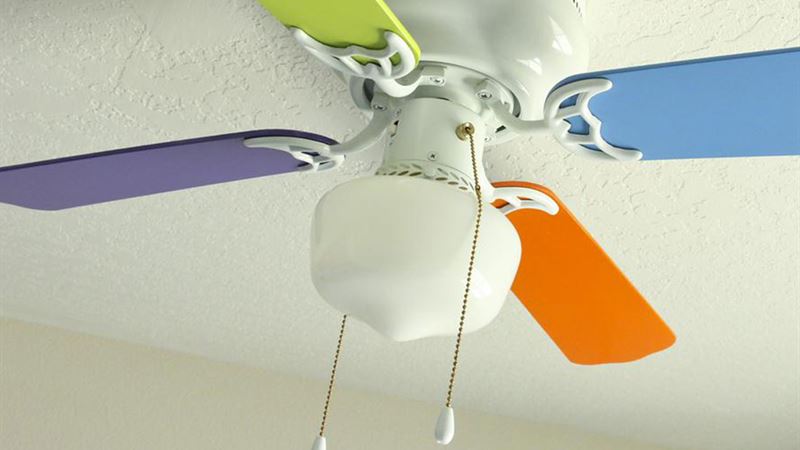
- Pull Chain Fans: The traditional method of control, pull chains are simple and reliable. While they may lack the advanced features of remotes, they add a vintage touch to the decor and are practical in spaces with low traffic where frequent adjustments aren't necessary.
Selecting the right control method depends on your lifestyle, room size, and aesthetic preferences. Consider ergonomic needs and the level of convenience you desire to ensure seamless operation of your ceiling fan.