
Comprehensive Guide to Choosing The Perfect Outdoor Patio Furniture
Discover how to choose durable, stylish outdoor patio furniture with this comprehensive guide. Learn about materials, frame options, comfort tips, and protective strategies to enhance your outdoor living space. Whether you want modern, rustic, or classic designs, find out what factors impact longevity and aesthetics, ensuring your patio remains inviting and functional year-round. Perfect for homeowners seeking to upgrade their outdoor areas, this article provides expert advice on selecting the best furniture that balances style, comfort, and durability for all weather conditions.
Important Factors to Think About Before Making a Purchase
Embarking on a patio furniture shopping journey requires careful thought. The goal is to find pieces that not only look appealing but also serve your practical needs and last over time. First, evaluate your local climate conditions—whether you face heavy rainfall, intense sun, or high humidity—as these factors influence material choices and maintenance routines. Next, define your style preferences, considering whether you lean toward modern minimalism, rustic charm, or classic elegance. Finally, establish your budget, recognizing that quality outdoor furniture can be an investment that pays off through sustained beauty and durability.
Choosing the Right Frame Material
The foundation of any piece of outdoor furniture is its frame, which dictates durability, weight, and aesthetic appeal. Among the most popular options are aluminum, wrought iron, steel, wicker, and wood, each with unique advantages and considerations.
- Aluminum: Known for its light weight and resistance to rust, aluminum is an excellent choice for various outdoor environments. It's simple to move and retains its shape well, even after prolonged exposure to moisture. Powder-coated finishes enhance its weather resistance and color retention. Aluminum furniture often features a sleek design, making it popular among modern outdoor spaces.
- Wrought Iron: The heavyweight champion, wrought iron furniture is renowned for robustness and a timeless look. Its sturdy nature prevents tipping over and makes it suitable for larger families or frequent outdoor gatherings. Although wrought iron can be prone to rust if not properly maintained, rust-resistant finishes and periodic touch-ups extend its lifespan. For added comfort, cushions are essential when sitting on iron frames.
- Steel: Steel frames are stronger and more resilient than aluminum, offering increased stability and longevity. Galvanized steel is often coated to resist corrosion, making it a reliable option for harsher climates. Some steel furniture incorporates decorative features and intricate designs, adding elegance to outdoor settings.
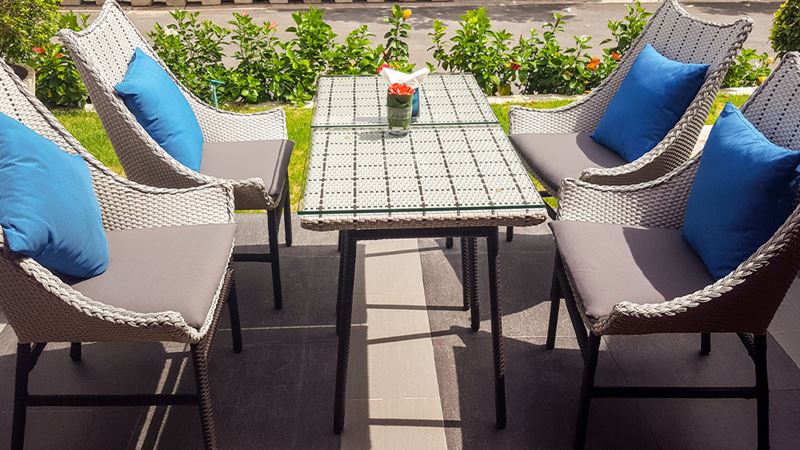
- Wicker: Traditionally made from rattan or reed, modern wicker furniture uses synthetic resin fibers that are UV-resistant and easy to clean. Wicker pieces are lightweight, versatile, and suitable for sunrooms, porches, or open decks. With plush cushions, wicker furniture offers optimal comfort.
- Wood: Natural wood, such as teak or cedar, adds warmth and a touch of rustic charm. Teak, in particular, is prized for its durability and resistance to decay. Proper sealing and maintenance are necessary to keep wood furniture looking its best, especially in humid environments.
When selecting a frame material, consider your climate, desired onderhoud, aesthetic preference, and budget. Each material's longevity and appearance can vary based on environmental exposure, so choose wisely based on your specific outdoor conditions.
Assessing Comfort and Usability
Comfort is a paramount factor when choosing outdoor furniture. Before making a purchase, always test the seats—sit on chairs or sofas to gauge comfort levels. Look for ergonomic designs with supportive backs and plush cushions. If the furniture doesn't come with cushions, consider investing in weatherproof pillows that add both comfort and style. Additionally, ensure the furniture height aligns with your outdoor dining or lounging setup for a better experience. For prolonged sitting, padded or cushioned pieces enhance relaxation and make your outdoor space more inviting.
Investing in Quality
While budget constraints are real, investing in high-quality patio furniture often pays dividends over time. Cheaper plastic or resin pieces may be attractive initially but tend to degrade sooner, leading to replacing expenses and compromised aesthetics. Prioritize purchasing durable, well-constructed items, especially for frequently used pieces like dining tables or lounge chairs. Read customer reviews and product ratings to gauge durability and overall satisfaction. It’s wise to spend more on essential pieces that get regular use, while smaller items like cushions, side tables, or decorative accessories can be more budget-friendly.
Protecting Your Investment During Seasons of Non-Use
Proper storage and protection significantly extend the lifespan of your outdoor furniture. During off-season months—or in adverse weather conditions—store furniture in a garage, shed, or covered storage unit to shield it from rain, snow, and harmful UV rays. If space is limited, opt for furniture that is foldable, stackable, or easy to dismantle. Covering furniture with waterproof covers when stored outside is also effective. Regular maintenance, such as cleaning, repainting rust-prone frames, and applying protective sealants to wooden surfaces, preserves the furniture's appearance and structural integrity over the years.
Top Materials for Weather-Resistant Outdoor Furniture
Choosing the right material is essential for longevity and low maintenance. The two most desirable options are plastic and aluminum, both offering distinct benefits suitable for various needs.
- Plastic: Plastic furniture, especially resin or polycarbonate, is highly waterproof, lightweight, and generally affordable. It requires minimal upkeep and resists moisture and pests. However, over time, plastic can fade under prolonged sun exposure and become brittle or crack. While easy to clean, plastic furniture, such as chairs and tables, can be susceptible to tipping if not properly weighted or stabilized, especially when used with umbrellas.
- Aluminum: Cast aluminum furniture, typically finished with a powder-coat for extra protection, combines durability, aesthetic appeal, and weather resistance. It often features intricate decorative designs and can include mixed materials like glass or wood accents. Although usually more expensive than plastic, aluminum offers a longer lifespan and an elegant look that withstands outdoor conditions with minimal maintenance.
Many outdoor furniture sets combine different materials to optimize aesthetics and performance. For example, aluminum frames with wooden slats or wicker accents create a sophisticated yet practical look. When budgeting, consider how frequently you’ll use the furniture and choose materials that balance durability, style, and price. Prioritize pieces that serve your needs, whether for casual lounging, outdoor dining, or entertaining guests.