
Essential Information About Measles: Symptoms, Causes, and Prevention
Discover comprehensive insights into measles, including its causes, symptoms, transmission methods, and effective prevention strategies. Learn why vaccination is vital to control this highly contagious viral infection and how early intervention can prevent serious health complications, ensuring safer communities worldwide.
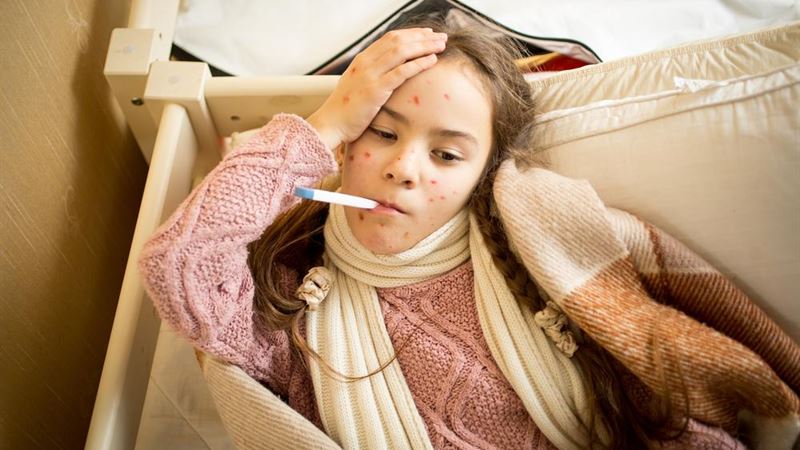
Measles, a highly contagious viral infection, presents with distinctive symptoms that can be alarming if not promptly recognized. It typically manifests through high fever, widespread rashes, and patches across the entire body, often伴随着剧烈的疼痛。 Once infected with the measles virus, individuals should be isolated immediately to prevent spreading the disease to others. Recognizing early symptoms, such as persistent fever, can be challenging as they often resemble those of other illnesses. Consulting a healthcare professional at the earliest sign is crucial for accurate diagnosis and timely treatment.
Understanding the Causes of Measles
The primary agent responsible for causing measles is a virus known as the paramyxovirus. It is important to note that measles is not caused by any specific action or circumstance of the infected individual. Instead, it is an infectious disease transmitted from person to person through various means. The virus is highly contagious and can spread rapidly among unvaccinated populations.
The ways in which measles transmission occurs are as follows:
- If an individual comes into direct contact with someone already infected, they are at high risk of catching the virus. Physical contact with an infected person, such as touching or sharing utensils, can facilitate transmission.
- Proximity to an infected individual increases the likelihood of infection, especially during coughing or sneezing episodes. The tiny droplets expelled into the air carry the virus, which can infect others within a close radius.
- The virus primarily spreads via contaminated airborne droplets. Additionally, touching surfaces or objects contaminated with the virus and then touching the face or mouth can result in infection, emphasizing the importance of hygiene and sanitation.
Recognizing the Symptoms of Measles
After exposure to the measles virus, there is usually an incubation period lasting about 10-14 days when no symptoms are evident. During this period, the virus multiplies silently within the host’s body. Once symptoms start to emerge, they do so gradually and include several distinctive signs:
- An initial mild cough, sneezing, runny nose, and inflamed, red eyes (conjunctivitis) are common early symptoms.
- Persistent fever often exceeding 100°F (37.8°C) is typically present during the early phase.
- Within a few days, characteristic skin rashes appear, beginning on the face and spreading downwards across the body. These rashes are generally brownish-red and can sometimes be accompanied by white or bluish-white spots called Koplik’s spots inside the mouth.
- The contagious period starts about four days before the rash appears and continues until the rashes have fully subsided. During this time, the infection can easily spread to others.
- Though most symptoms subside with recovery, residual marks or scars may occasionally appear, but they tend to fade over time.
Approach to Treating Measles
As a viral disease, there is no specific antiviral cure for measles. The primary focus is on alleviating symptoms and preventing complications. Supportive care measures include:
- Rest and maintaining adequate hydration are essential for recovery.
- Over-the-counter medications such as ibuprofen or acetaminophen can effectively reduce fever and ease discomfort.
- Vitamin A supplements have been shown to reduce the severity and duration of the illness, especially in children. These should only be taken under medical supervision.
- Creating a calm, dimly lit environment can help soothe irritated eyes and promote faster healing.
Preventative strategies are critical in controlling the spread of measles. Vaccination remains the most effective measure to protect individuals and communities. The MMR (measles, mumps, rubella) vaccine is highly effective and recommended for children and adults who are not yet immune. Good hygiene practices, including frequent handwashing and avoiding close contact with infected persons, are also vital in minimizing transmission.
Early recognition and prompt medical attention are key to managing measles effectively and avoiding serious complications such as pneumonia, encephalitis, and other secondary infections. Public health campaigns and vaccination drives play a crucial role in reducing the incidence of this preventable disease across the globe.