
Comprehensive Guide to Garcinia Cambogia: Benefits, Uses, and Precautions
Garcinia Cambogia is a tropical fruit renowned for its weight loss properties and culinary uses. This guide explores its health benefits, traditional applications, potential side effects, and safety precautions. Learn how to incorporate this versatile fruit responsibly into your diet and weight management routine, supported by scientific insights and expert advice for optimal health benefits.
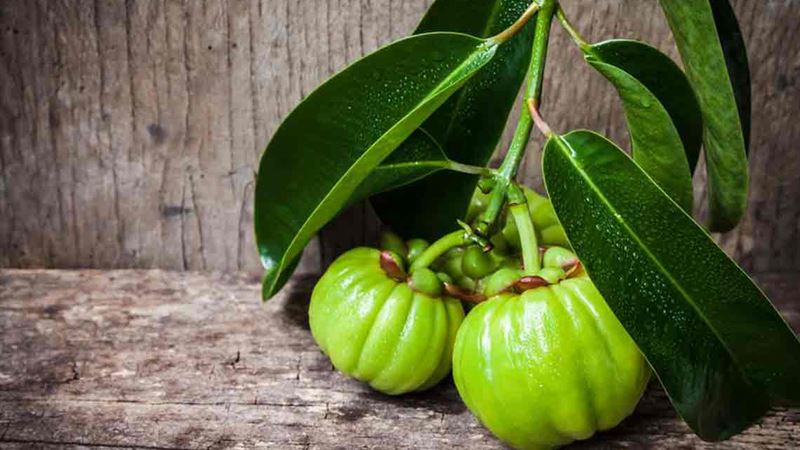
Introduction to Garcinia Cambogia
Garcinia Cambogia is a tropical fruit native to Southeast Asia, particularly cultivated in countries like Indonesia, Cambodia, Thailand, and India. Recognized for its unique sour taste, this fruit has gained international popularity primarily due to its purported health benefits, especially in weight management. The fruit is characterized by its greenish appearance when unripe and shifts to a yellowish hue when ripe. It also grows in certain regions of Central Africa, thriving in moist climatic conditions that support its growth. Commercial cultivation has expanded to various coastal areas, where it is harvested for both culinary purposes and dietary supplements.
In its natural state, Garcinia Cambogia's rind is dried and processed for various uses. When processed, the dried rind appears dark brown or black and is commonly exported globally for its use in weight loss products. The fruit’s sour flavor makes it a popular addition to dishes, especially in cuisines that favor tangy tastes, such as dishes combined with tamarind. Aside from its culinary applications, the dried rind is also used in traditional medicine systems, including Ayurveda, owing to its health-promoting properties.
Global Cultivation and Trade
This exotic fruit is extensively traded across international borders. It is cultivated mainly in tropical regions where the climate is humid and the soil moisture levels are adequate. The dried rinds are often packaged and shipped worldwide, making Garcinia Cambogia accessible in supplement forms. Its popularity surged due to marketing claims about weight loss, leading many to incorporate it into their daily routines. However, the commercial processing of Garcinia Cambogia involves various methods, including drying, salting, and sometimes chemical treatments, which can influence its safety and efficacy.
Uses and Applications
The primary reason for Garcinia Cambogia's fame is its role in aiding weight loss. The active component, hydroxycitric acid (HCA), is believed to suppress appetite, inhibit fat production, and boost metabolism. Apart from weight management, the fruit contributes to enhancing culinary flavors, providing a tangy, slightly sour taste that elevates dishes. It is especially favored in traditional recipes and modern health smoothies. Furthermore, Garcinia Cambogia has been used in traditional medicinal practices for ages, owing to its claimed health benefits, including improved digestion and detoxification.
Health Benefits of Garcinia Cambogia
Numerous studies have explored the potential health advantages of Garcinia Cambogia. Its primary benefit lies in weight loss, where it acts by increasing the sense of fullness or satiety, thus reducing overall calorie intake. The hydroxycitric acid in the fruit is also associated with improved lipid profiles, potentially lowering bad cholesterol and triglycerides. Moreover, the fruit is rich in vitamin C and other essential nutrients such as calcium, iron, niacin, thiamine, and phosphorus, which contribute to overall health and immune support. Its traditional use in improving digestion and reducing inflammation also underscores its therapeutic value.
Possible Side Effects and Risks
While Garcinia Cambogia offers various health benefits, it is not without risks. Some individuals may experience gastrointestinal discomfort, including nausea, diarrhea, and stomach upset. Dizziness and dry mouth are also reported side effects, especially with high dosages. There is ongoing concern regarding hepatic toxicity; some cases have linked excessive or prolonged use of Garcinia Cambogia supplements to liver issues. Drug interactions may occur, particularly with medications affecting blood sugar and hypertension. It is essential to consult a healthcare professional before starting any supplement regime involving Garcinia Cambogia, particularly for individuals with existing health conditions or those taking medication.
Precautions and Recommendations
Despite its natural origin, Garcinia Cambogia products are often processed with preservatives and chemicals that can alter their safety profiles. Consumers should opt for reputable brands that provide clear information regarding sourcing and manufacturing practices. Due to the controversial nature of its efficacy and safety, further research is necessary to fully understand its long-term effects. Moderation is key; excessive intake may lead to adverse health outcomes. Pregnant women, nursing mothers, and individuals with pre-existing medical conditions should avoid self-medicating with Garcinia Cambogia without medical advice. Maintaining a balanced diet and active lifestyle remains crucial for effective weight management.
Conclusion
Garcinia Cambogia continues to be a popular supplement for weight loss and health improvement. Its rich nutrient profile and traditional uses support its potential benefits. However, it is vital to approach its consumption responsibly, considering possible side effects and current scientific evidence. As research progresses, clearer guidelines will emerge to ensure safe usage. Incorporating Garcinia Cambogia into a healthy lifestyle with proper medical guidance can help harness its benefits while minimizing risks. Always prioritize consults with healthcare professionals before adding new supplements to your regimen.