
Comprehensive Guide to Full-Size and Queen-Size Quilts: Features, Construction, and Care Tips
Discover the essential aspects of full-size and queen-size quilts, including construction methods, traditional and modern assembly techniques, and practical maintenance tips. Learn how to select high-quality quilts and keep them in top condition for long-lasting use, ensuring comfort and aesthetic appeal in your bedroom decor.
Understanding the Distinctions Between Full-Size and Queen-Size Quilts
When it comes to bedding options, full-size and queen-size quilts are popular choices due to their size and comfort. However, many people often confuse these quilts with simple blankets. While they may occasionally serve similar purposes—such as providing warmth—they are fundamentally different in construction, purpose, and design. Unlike woven blankets, quilts are layered textile products meticulously made with multiple fabric layers and padding, designed to offer both aesthetic appeal and durability.
Full-size quilts typically cover the entire surface of a standard bed, providing a cozy and well-fitted look. They generally consist of three primary components: a top decorative layer, a layer of batting (soft filling), and a backing fabric. These layers are stitched or tied together in a process that enhances stability and creates a refined, textured appearance. Queen-size quilts are similarly constructed but with dimensions suited for larger beds, making them ideal for spacious bedrooms and those who prefer extra coverage.
The Art of Assembling Full-Size and Queen-Size Quilts
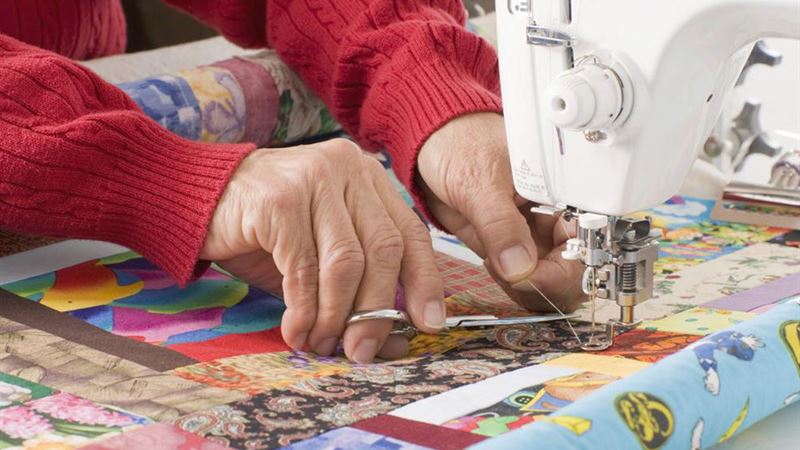
Traditionally, manufacturing full and queen quilts involved intricate hand-sewing techniques. Skilled artisans would piece together fabric patches, carefully stitch the layers by hand, and add decorative elements like embroidery or quilting patterns. Crafting quilts by hand is an art that demands patience, precision, and a keen eye for detail. However, with technological advances, modern quilt production mostly uses sewing machines to expedite the process. Machine-stitched quilts can be produced more efficiently without compromising quality, provided that skilled craftsmanship is employed.
When selecting a high-quality quilt, it is essential to consider the stitching method. Whether hand-stitched or machine-stitched, the seams should be durable and evenly spaced to ensure longevity. The quality of stitches impacts the quilt's overall appearance and durability, especially in the long run.
Proper Maintenance and Care for Quilts
To enjoy your full-size or queen-size quilt for many years, proper care is vital. When not in use, the best way to preserve the quilt is to store it on a flat surface or hang it carefully on a rack, ensuring it is not subjected to unnecessary stress or deformation. Hanging the quilt is a good option if you wish to display it, but caution should be exercised to avoid direct sunlight exposure, which can cause fading or fabric deterioration over time.
Cleaning routines also play a crucial role in maintaining quilt integrity. It is recommended to wash quilts sparingly—preferably once a year—using gentle methods. Frequent washing may lead to fabric wear or color fading. When washing, it's best to use mild detergents and to avoid harsh chemicals. Tossing the quilt into a clothes dryer can efficiently remove dust and allergens and is gentle enough if set to a low heat or air-dry option. Proper storage, gentle cleaning, and limited exposure to direct sunlight are key to keeping your quilts looking their best for years to come.