
Comprehensive Guide to Dental Veneers: What You Need to Know Before Getting Them
Discover everything you need to know about dental veneers, including costs, materials, procedures, and aftercare. This detailed guide helps you understand the benefits and considerations of enhancing your smile with veneers. Learn how the process works, what to expect long-term, and how to maintain your investment for a confident, natural-looking smile. Whether you're fixing discoloration, chips, or misalignment, this comprehensive overview ensures you're well-informed before choosing veneers as your cosmetic dental solution.
- Understanding Dental Veneers: An Essential Overview
Dental veneers have become increasingly popular among individuals seeking to enhance their smile’s appearance. These thin shells, crafted from porcelain or composite resin, are custom-made to cover the front surface of teeth, effectively camouflaging imperfections such as discoloration, chipping, misalignment, or uneven tooth shapes. If you’re considering this cosmetic dental procedure, it’s essential to understand the full scope of what dental veneers entail, including costs, procedures involved, longevity, and aftercare. This comprehensive guide aims to provide detailed insights to help you make an informed decision about your smile enhancement journey.
- Cost Considerations and Factors Influencing Price
The expense of dental veneers varies significantly depending on several factors. Typically, composite veneers are more affordable, with prices ranging from $250 to $1500 per tooth. These are made from a resin material that can be applied directly during a dental visit. Porcelain veneers tend to be more durable and natural-looking but come at a higher cost, often between $800 and $2500 per tooth. The overall price is influenced by geographic location, the experience and reputation of the dental specialist, the choice of material, and the number of teeth being treated. Additionally, some clinics offer package deals for multiple veneers, which can reduce the per-tooth cost. It’s also noteworthy that most insurance policies categorize dental veneers under cosmetic procedures, meaning they’re generally not covered, so patients should budget accordingly.
- Material Types and Their Benefits
The two primary materials used for dental veneers are porcelain and composite resin. Porcelain veneers are celebrated for their superior aesthetics—they mimic the light-reflecting properties of natural teeth and resist staining better than resin. They are custom-crafted in a laboratory, ensuring a precise fit and a highly natural appearance. These veneers tend to last between 10 and 15 years with proper maintenance, making them a worthwhile long-term investment.
Composite resin veneers, on the other hand, are crafted directly on the tooth surface and typically cost less upfront. They usually last about 5 to 7 years and may stain or chip more readily than porcelain. However, composite veneers can often be repaired more easily if damage occurs and are completed in a single visit, which can be convenient for some patients.
- The Step-by-Step Process of Getting Dental Veneers
The journey to achieving a perfect smile with veneers usually takes between two to six weeks. The process begins with a thorough dental examination where the dentist assesses your oral health and discusses your cosmetic goals. During this visit, the dentist will also take X-rays and prepare your teeth for the veneer placement.
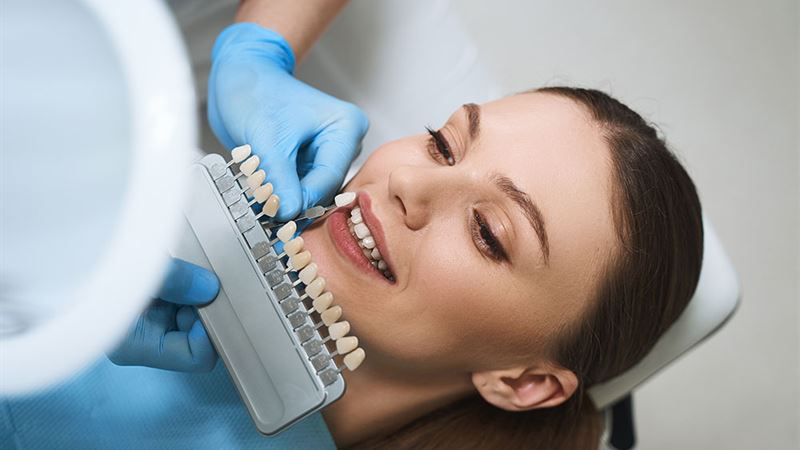
Next, the dentist will help you select a shade that complements your natural teeth, often using a shade guide or digital imaging tools. The procedure involves administering a local anesthetic to ensure comfort. The dentist will then carefully reshape the front surface of your teeth by removing a minimal layer of enamel—about 0.5 mm—to accommodate the veneer without increasing tooth bulk.
For composite resin veneers, the dentist applies a shaded composite material directly onto the prepared tooth, sculpting it to match the desired contour, then curing it with a high-intensity light. For porcelain veneers, an impression of the prepared tooth is taken and sent to a dental lab where the veneers are custom-made. A temporary veneer may be placed during this period to protect your tooth.
Once the final veneer is ready, your dentist will try it on to verify fit and color match. Adjustments are made as needed. Finally, the veneer is permanently bonded to the tooth using a strong dental adhesive, and a curing light is used to harden the bond, ensuring durability and a seamless appearance.
- Expected Results and Long-Term Outcomes
Dental veneers are an ideal solution for individuals who have struggled with other dental treatments such as braces, retainers, or whitening but still desire an improved aesthetic. They are highly effective in covering stains, correcting crooked or uneven teeth, and restoring chipped or worn-down teeth. Since veneers are custom-made, they blend naturally with existing teeth, providing a significant aesthetic enhancement.
It’s important to note that while veneers are durable, they are not indestructible. Avoid biting into extremely hard foods or using teeth as tools to prevent chips or fractures. Proper oral hygiene—including regular brushing, flossing, and routine dental visits—is crucial to preserve the lifespan of veneers. Broken or damaged veneers typically cannot be repaired and may require replacement, emphasizing the importance of careful aftercare.
Although veneers involve a notable financial investment, many find that the benefits—such as a confident smile and improved self-esteem—outweigh the costs. They are considered a long-term solution with proper maintenance, making them a popular choice for cosmetic enhancement. If you’re contemplating veneers, consult with a qualified cosmetic dentist to determine the best material and approach tailored to your unique needs.