
Essential Guide to Planning and Installing Your Custom Closet
Learn everything you need to know about designing and installing a custom closet tailored to your home's style and your storage needs. This guide covers space assessments, feature choices, material selection, budget planning, and tips for creating a functional, stylish, and durable wardrobe solution that fits your lifestyle perfectly.
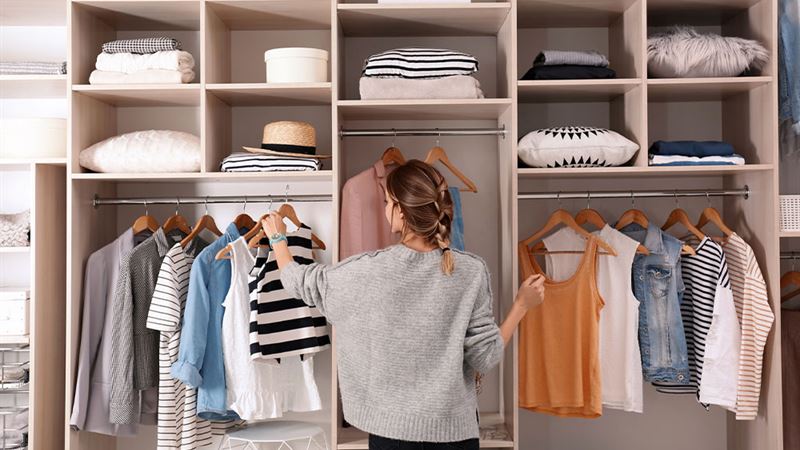
Aligning Your Custom Closet with Your Home’s Interior Style
A vital aspect of designing a custom closet is ensuring it complements your entire home’s aesthetic. Whether your residence boasts a modern, minimalist look, a rustic farmhouse charm, or an elegant traditional vibe, your closet should seamlessly blend in. Overly contrasting designs can disrupt your space’s harmony, so selecting a style that resonates with your existing decor is crucial.
Assess your home’s color palette, architectural details, and furniture style before making decisions on materials and finishes. For example, if you have a contemporary style with sleek lines and neutral tones, opt for minimalist closet designs with smooth surfaces and subtle hardware. Conversely, if your home features classic woodwork and vintage accents, traditional wooden closets with decorative moldings might be more suitable.
Furthermore, different finishes and hardware choices can influence the overall look. Matte or gloss finishes, brushed or polished hardware, and decorative handles are all elements that can further enhance harmony with your home’s decor.
Understanding Your Household’s Storage Needs
Before selecting a closet design, evaluate how your household functions. Consider the number of family members, their ages, and specific storage requirements. For instance, a home with young children will benefit from lower shelves, accessible toy bins, and dedicated zones for essentials like shoes and clothing.
Additionally, think about the types of clothing and accessories each person owns. Do you require tall space for dresses or coats? Are you storing a large collection of shoes? Extra drawers for lingerie, belts, or jewelry? Identifying these needs early will help you customize your closet to maximize efficiency and organization.
Customization options like adjustable shelves, multiple hanging rods at varying heights, and specialized compartments for accessories can significantly improve usability and keep belongings tidy.
Evaluating Space Constraints for Optimal Design
Space availability is a primary consideration in choosing the right closet system. For limited spaces, custom solutions like vertical shelving, over-the-door organizers, or compact wardrobes can optimize storage without overcrowding. If there’s ample room, you might opt for expansive walk-in closets equipped with multiple zones, mirrors, and furniture-like features.
Measure your area meticulously, noting width, depth, and ceiling height. Based on these dimensions, designers can craft layouts that make full use of available space while maintaining comfortable movement corridors.
If your home lacks sufficient room for a traditional walk-in closet, consider innovative alternatives such as built-in wardrobes, closet organizers that mount onto walls, or even modular units that can be assembled and reconfigured when needed.
Budget and Time Management for Your Custom Closet Project
Understanding your financial limits and time frames helps streamline the decision-making process. Custom closets vary significantly in cost depending on size, materials, complexity, and features. A realistic budget allows you to prioritize must-have features over luxury extras.
If budget constraints are tight, pre-fabricated or semi-custom closet systems might serve as an interim solution, with the option to upgrade later. Planning your project timeline is equally important. Some installations can be completed in a few days, while more elaborate designs may take weeks.
Consult with professionals early to understand lead times, and establish a phased approach if necessary to spread out costs and labor.
Key Features of Premium Custom Closets and How to Maximize Their Benefits
Selecting the right features ensures your closet is both functional and stylish. Adjustable shelves and pull-out drawers allow you to customize organization inside the unit, making it easier to access and categorize belongings.
Incorporate lighting options, such as LED strips or spotlights, to illuminate dark corners and facilitate finding items quickly. Mirrored doors enhance practicality and give an illusion of more space, while integrated hooks and racks help keep accessories neatly organized.
Prioritize hanging space for clothes and consider including specialized compartments for shoes, handbags, or jewelry. If space permits, add a full-length mirror on the inside of a door for convenience.
When selecting materials, durability is king. High-quality wood, metal, or composite materials resist wear and tear, ensuring longevity. Less durable options like plastic may be tempting due to lower costs but could result in frequent repairs or replacements.
Choosing Materials for Your Custom Closet: Wood, Metal, and More
The choice of materials significantly impacts your closet’s durability, aesthetics, and price. Wood—whether solid, veneered, or engineered—is a popular choice for its rich appearance and strength. Different wood types such as oak, maple, or cherry offer varied grains and finishes.
Metal components, like supporting rods or brackets, add strength and a sleek modern look. Laminates or high-pressure laminates (HPL) surfaces are resistant to stains and scratches, ideal for high-traffic closets.
Plastic components are lightweight and cost-effective but may lack durability. When selecting materials, consider your daily usage, renovation plans, and your design preferences to balance form and function.
Ease of Installation and System Durability
A seamless installation process saves time and reduces stress. Look for systems that come with straightforward instructions, or hire professional installers who specialize in closet systems. Prefabricated units with modular designs can be assembled quickly and with minimal fuss.
Durability ensures your investment withstands daily use. High-quality materials such as hardwood, metal hardware, and sturdy fixtures resist warping, cracking, or hardware failure. Avoid cheap plastic parts that may break or-yellow over time.
Opt for brands with good reviews and warranties, which attests to their product quality and customer service. A durable, well-made system will serve your needs for years, making it a cost-effective choice in the long run.
Personalizing Your Closet for Your Lifestyle
The beauty of custom closets lies in tailoring every detail to fit your habits. Do you need a dedicated shoe rack or multiple jewelry compartments? Are you a fashion enthusiast needing space for seasonal clothing rotations? Incorporate these preferences into your plan.
Think about accessibility and convenience. For example, pull-out baskets for laundry or hidden compartments for valuables might be ideal. If you have children, install lower rods and easy-access storage. For pet owners, consider designated zones for pet accessories or supplies.
Design your closet to make daily routines easier and more enjoyable. By personalizing the details, your storage becomes an integrated part of your lifestyle rather than a generic solution.
Creating a Functional and Aesthetic Space
Finally, the goal is to establish a space that combines practicality with visual appeal. Use a mix of open shelving for frequently used items and closed cabinets for clutter or seasonal storage. Incorporate stylistic touches such as decorative hardware, color schemes, and textured finishes to elevate the overall look.
Lighting plays a crucial role in enhancing both function and ambiance. Well-lit closets are safer and more inviting. Consider adding powered lighting, motion sensors, or dimmable fixtures for flexibility.
In essence, designing and installing a custom closet is an investment in your home’s organization and your lifestyle quality. With detailed planning, careful material selection, and expert installation, your wardrobe space can become a beautiful, efficient haven tailored uniquely to you.