
Comprehensive Guide to Purchasing a Compact Pickup Truck
This detailed guide covers essential factors to consider before buying a small pickup truck, including cab styles, bed sizes, transmission types, drivetrain options, helpful features, and tips for purchasing used models. It provides valuable insights to help you choose the perfect truck tailored to your needs, whether for daily commuting, work purposes, or off-road adventures. Understanding these aspects ensures you make an informed investment, balancing utility and budget for a reliable, versatile vehicle that fits your lifestyle.
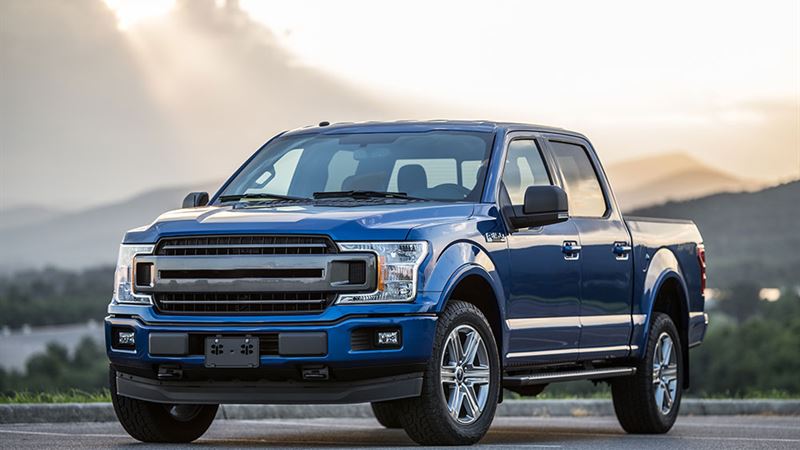
Opting for a small pickup truck involves understanding several key aspects that can influence your purchasing decision. Different cab styles cater to varying needs, from everyday city commuting to long-distance family trips. Extended cabs offer a slightly larger footprint with rear-hinged doors that only open when the front doors are unlocked. Double cab trucks provide four doors, but the rear seating area might be cramped for legroom, making them suitable for occasional use. For those needing ample space for family journeys, a crew cab is the ideal choice as it boasts four full-sized doors with a spacious interior designed for maximum comfort and legroom.
Understanding Bed Sizes and Their Significance
The bed of a pickup truck is its defining feature, enabling it to haul various types of cargo. Selecting the right bed size depends largely on the types of loads you intend to carry regularly. Small pickup trucks generally feature beds ranging from five to eight feet in length, though this varies by manufacturer and cab configuration. For instance, if you frequently transport large furniture, construction materials, or equipment, opting for a longer bed is advantageous. Conversely, if maneuverability in tight spaces is a priority, a shorter bed might be more suitable.
Transmission Preferences: Automatic vs. Manual
Automatic transmissions dominate the market owing to their ease of use and versatility. They are perfect for city driving, navigating diverse terrains, and are generally superior in towing capacity. Manual transmissions, although less common today, still have their niche. They tend to be more affordable upfront and can give drivers more control over the vehicle's performance. For those comfortable with manual gear shifting, choosing a manual truck could be a cost-effective option, provided it meets other driving and load-carrying needs.
drivetrain Choices: Two-Wheel Drive vs. Four-Wheel Drive
Two-wheel drive (2WD) pickup trucks are typically less expensive and lighter, making them fuel-efficient and easier to maintain. They are well-suited for urban and suburban environments where off-road capability isn't essential. Four-wheel drive (4WD) trucks, on the other hand, enhance off-road performance and provide better traction during harsh weather conditions such as snow, mud, or steep inclines. While 4WD trucks are more rugged and versatile, they come with higher purchase prices, increased weight, reduced fuel efficiency, and higher maintenance costs. Your choice depends on whether you prioritize off-road adventures or primarily want a vehicle for daily commuting and light hauling.
Additional Features and Modern Amenities
Today's pickup trucks are equipped with cutting-edge features that enhance safety, comfort, and convenience. High-tech infotainment systems, large touchscreen displays, and advanced navigation tools are increasingly standard. For frequent winter drivers, amenities like heated seats and steering wheels improve comfort during cold months. Other desirable features include off-road suspension systems for challenging terrains, luxurious interior trims, exterior storage compartments, and comprehensive towing packages. When selecting a truck, it’s important to prioritize features that match your lifestyle and utility requirements. Keep in mind that each added feature can significantly impact the final price, so balancing needs with budget is crucial.
Finding a Used Pickup Truck: Pros and Cons
Purchasing a used pickup truck can be a smart financial decision, offering significant savings compared to buying new. Used trucks depreciate less rapidly and can come equipped with features that might be unaffordable in a new model. However, buying used requires careful research and inspection to avoid future headaches. It’s highly recommended to have a trusted mechanic thoroughly examine the vehicle’s condition, including engine health, frame integrity, and previous maintenance records. Taking the truck for a test drive is essential to evaluate handling and comfort. Researching the vehicle's history report and understanding common issues associated with specific models can help you make an informed purchase. Overall, a well-chosen used truck can serve you reliably for years to come, but due diligence is key.