
Essential Factors to Consider When Purchasing a Mobility Scooter
Choosing the right mobility scooter requires careful thought about your specific needs, comfort, and safety. Consider the scooter type, test drive different models, evaluate storage options, and ensure integration into your home environment. Focus on features, budget, and after-sales support to make an informed decision that enhances independence and mobility. This guide helps you select the perfect scooter tailored to your lifestyle for improved daily living.
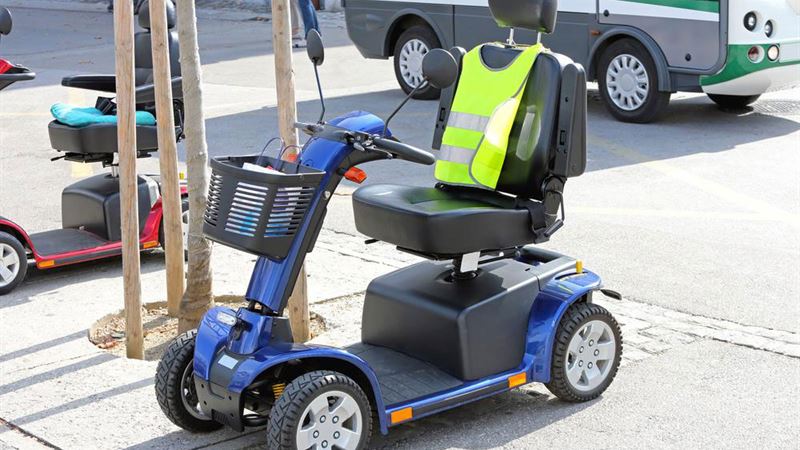
Investing in a mobility scooter is a significant step toward enhancing independence and improving quality of life for individuals with mobility challenges. To ensure you select the right model that perfectly fits your lifestyle and needs, it’s crucial to consider several important factors before making a purchase. This comprehensive guide will walk you through essential considerations, from choosing the appropriate type and size to testing the scooter and ensuring it fits seamlessly into your daily routine.
1. Understanding Different Types and Models
One of the first things to consider is the variety of mobility scooters available in the market. There are multiple models designed to cater to different needs, preferences, and budgets. Common types include three-wheel and four-wheel scooters, each offering distinct advantages. Three-wheel models are usually more maneuverable, making them ideal for indoor use or navigating tight spaces. Four-wheel scooters tend to offer greater stability, making them suitable for outdoor terrains and longer journeys. Additionally, some scooters come with adjustable features, foldable designs, or enhanced comfort features such as padded seats and ergonomic controls. Assess your specific requirements to choose a model that provides the right balance of convenience, stability, and mobility.
2. Prioritize Test Drives and Trial Runs
Before finalizing your purchase, it’s highly recommended to test drive different scooter models. Even if a scooter appears perfect on paper, personal comfort and handling are crucial aspects that only become apparent through actual riding. During a test drive, pay attention to how easily you can control the speed, steer, and stop the scooter. Try out various models to see which one feels most comfortable and intuitive to operate. This step ensures that you select a scooter that you can control confidently and feel secure using daily, ultimately improving your overall mobility experience.
3. Assessing Storage and Transportation Needs
Transportation and storage are often overlooked but critical considerations when choosing a mobility scooter. Depending on your lifestyle, you may need to transport the scooter in your vehicle, so it’s important to check the scooter’s dimensions and weighability. If you plan to fold the scooter for transport, verify that the folding mechanism is simple and effective. For individuals with limited strength or dexterity, lightweight models or those with quick-fold features are advantageous. Ensure that your vehicle has enough space to accommodate the scooter safely without risking damage. Additionally, consider the ease of loading and unloading the scooter, especially if traveling alone or with assistance.
4. Evaluating Home Accessibility and Safety
Another vital aspect is how well the scooter integrates into your home environment. It’s essential to have enough designated space for maneuvering the scooter comfortably, especially in frequently used areas like the living room, bathroom, and corridors. Take measurements to confirm that doorways and narrow spaces are accessible when using the scooter. For users with disabilities or limited mobility, it’s particularly important to ensure that bathrooms and other essential rooms are accessible. Features such as adjustable seating height, easy-to-reach controls, and stable platform surfaces can improve safety and usability at home. Proper placement and safe storage also prevent accidents or damage to the scooter when not in use.
5. Additional Features and Customizations
Modern mobility scooters come equipped with various features to improve comfort and convenience. These include adjustable speed settings, lighting systems for night visibility, storage compartments, and suspension systems for a smoother ride. Consider which features are most important based on your typical usage environment. For instance, if you plan to use the scooter outdoors frequently, features like weather-resistant builds and enhanced lighting are beneficial. Customizable options allow you to tailor the scooter to your specific needs, whether that involves additional cushioning, special controls, or ergonomic modifications.
6. Budget and After-Sales Support
Cost is a significant factor when selecting a mobility scooter. Prices can vary widely depending on features, brand, and quality. Establish your budget beforehand, but also weigh the long-term value of investing in a durable, reliable model that requires less maintenance. It’s equally important to consider the availability of after-sales support, warranty coverage, and accessible repair services. Purchasing from reputable suppliers or brands with a solid support network ensures that you will have assistance if issues arise, thereby safeguarding your investment.
In conclusion, buying a mobility scooter involves careful consideration of various factors including type, size, comfort, transportation, and safety. Taking the time to evaluate your specific needs and testing different models can lead to a more satisfying and empowering experience. Remember, the right scooter is not only a device but a pathway to greater independence and enriched lifestyle for individuals with mobility limitations.