
Effective Strategies to Protect Your Cat from Flea Infestations
Discover comprehensive and natural methods to protect your cat from fleas. This detailed guide covers topical treatments, oral medications, grooming tips, and environmental sanitation strategies. Learn how to prevent flea infestations effectively and keep your feline friend healthy and comfortable with proven techniques and professional advice. Stay ahead of pests by understanding lifecycle management, environmental cleaning, and modern flea control options.
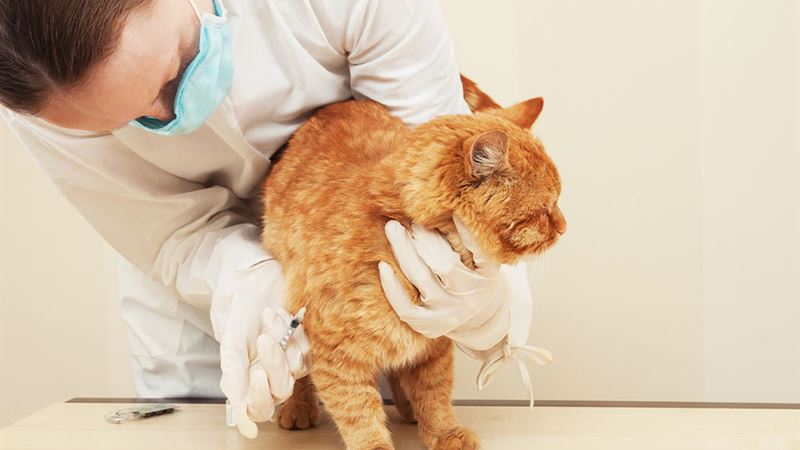
Topical Flea Treatments
- Advantage II
One of the most popular topical solutions on the market, Advantage II contains pyriproxyfen, an ingredient that targets fleas at various stages of their lifecycle. Applied directly to your cat’s skin, it provides a quick and effective barrier against fleas, paralyzing and killing adult fleas while preventing eggs and larvae from developing. The treatment remains effective for about a month, making it an excellent choice for ongoing protection. Regular monthly application ensures your feline companion remains safe from fleas and reduces the risk of reinfestation.
- Proper Application Tips
Ensure your cat is calm and clean before applying topical treatments. Part the fur at the base of the neck and apply the medication in a single spot, avoiding contact with the eyes, mouth, or ears. Do not bathe your cat for at least 48 hours after application to allow the product to fully absorb. Always follow the manufacturer's instructions and consult your veterinarian for personalized advice.
Bathing as a Flea Control Method
- Effective Bathing Techniques
Bathing remains a natural and straightforward method to reduce flea populations. Use cool or lukewarm water and a flea-specific shampoo containing active ingredients like citric acids or neem oil. Thoroughly wet your cat’s coat and lather well, paying extra attention to the neck, belly, and tail areas where fleas tend to congregate. Rinse thoroughly to remove all shampoo residues and dried fleas. Regular baths disrupt flea life cycles and can significantly reduce infestations, especially when combined with other treatments.
- Post-Bath Care
After bathing, gently towel-dry your cat and keep them in a warm, draft-free environment. Comb out any remaining fleas with a fine-tooth flea comb, rinsing the comb in hot water frequently to kill captured fleas. Consistency is key—weekly baths during an active infestation can help control fleas naturally.
Oral and Chewable Flea Preventatives
- Flea Away
Flea Away is a popular chewable option that combines natural ingredients with essential vitamins to provide holistic flea protection. When your cat ingests this medication, it produces an odor that repels fleas and mosquitoes, preventing bites and infestations. The formulation not only deters pests but also supports your cat’s overall health by nourishing their immune system and skin condition. Many pet owners prefer Flea Away for its ease of administration and natural composition, making it suitable for sensitive cats.
- Usage Tips
Administer the chewable as directed by your veterinarian, typically once a month. Observe your pet for any adverse reactions and consult your vet if you notice unusual behaviors. Incorporating oral preventatives into your flea control regimen offers a long-lasting and hassle-free defense against pests.
Regular Grooming and Combing
- Effective Grooming Practices
Frequent grooming helps remove fleas, eggs, and larvae from your cat’s fur, reducing the chances of reinfestation. Use a fine-tooth flea comb to carefully work through the fur in sections, especially around the neck, tail base, and underbelly. Dipping the comb in hot water between passes kills fleas immediately. Incorporate brushing into your weekly routine and reward your cat to foster a positive grooming experience.
- Environmental Hygiene
Vacuum carpets, furniture, and bedding thoroughly at least once a week to remove eggs and larvae from the environment. Use vacuums with strong suction and consider adding cedar or diatomaceous earth to areas where fleas thrive, as these ingredients naturally repel pests. Washing bedding in hot water and steam cleaning carpets further helps eliminate hidden fleas, preventing them from re-establishing on your pet.
Advanced Flea Medications
- Seresto Collars
The Seresto flea collar offers long-lasting protection with a dual-action formula containing imidacloprid and flumethrin. These ingredients work together to rapidly kill fleas and ticks upon contact. The collar provides continuous protection for up to 8 months and is available in various sizes for cats of different weights. While initial reaction may take some weeks, consistent use ensures a steady reduction in flea populations and provides a convenient alternative to monthly topical treatments.
- Application Guidelines
Place the collar around your cat’s neck, adjusting it comfortably without restricting movement. Check regularly for fit, and replace the collar as recommended. Avoid bathing your cat immediately after collar application and ensure the collar remains in contact with the skin for optimal effectiveness.
Environmental Sanitation and Professional Pest Control
- Daily Vacuuming
Vacuuming is an essential step in controlling flea populations in your home. Focus on areas where your cat spends the most time, including carpets, rugs, upholstery, and pet bedding. Use vacuums with HEPA filters and consider adding flea-repelling substances such as cedar or diatomaceous earth to the vacuum bag or dustbin to kill any fleas or eggs during cleaning. Dispose of the vacuum contents immediately in sealed bags to prevent fleas from escaping back into your home.
- Deep Cleaning and Professional Treatment
If infestations persist despite regular cleaning, consider hiring professional pest control services. Experts can treat your entire home—carpets, furniture, cracks, and crevices—with targeted eco-friendly insecticides. Prepare your home by removing pets and children from the premises during treatment and follow all safety instructions for a safe and effective cleanup. Complement professional treatments with ongoing environmental hygiene practices to keep fleas from returning.
Using Natural Remedies and Preventive Measures
- Salt and Diatomaceous Earth
Salt acts as a desiccant, drying out flea eggs and larvae, thereby interrupting their life cycle. Sprinkle fine salt on carpets and upholstery, leaving it overnight before vacuuming thoroughly. Diatomaceous earth, a natural powder composed of fossilized algae, is another effective remedy. It works similarly by dehydrating fleas on contact. Use food-grade diatomaceous earth in areas prone to fleas, applying it in thin layers and vacuuming after 24-48 hours.
- Herbal Repellents
Herbal sprays containing citronella, eucalyptus, or neem oil serve as natural deterrents. These can be applied to your cat’s fur or used in diffusers around your home. Regular use of herbal repellents helps create a flea-unfriendly environment without exposing your pet to harsh chemicals.