
Comprehensive Insights into the Smart Fortwo: Everything You Need to Know
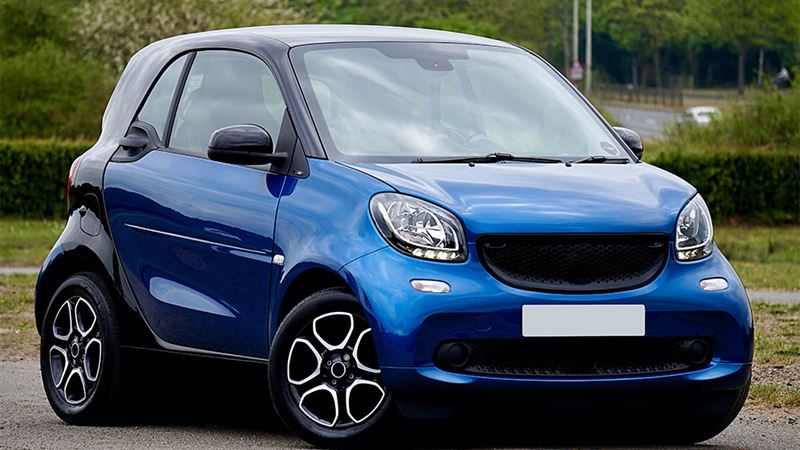
The Smart Fortwo is a compact, city-friendly vehicle with unique design features and efficient performance. It offers a smooth ride with advanced transmission options, good fuel economy, and urban safety features. While limited in range and passenger capacity, its stylish appeal makes it ideal for urban dwellers seeking convenience and style. The electric version provides a greener alternative, although with limited range. Overall, the Smart Fortwo remains a practical choice for city-centric drivers, balancing nimbleness with modern features, despite some limitations for longer-distance travel.
Powertrain Details and Performance Characteristics
The Smart Fortwo is renowned for its unconventional powertrain setup, which aligns with its goal of urban efficiency while maintaining a fun driving experience. Powered by an 898cc, turbocharged three-cylinder engine, it produces approximately 89 horsepower and 100 lb-ft of torque. This powertrain setup is a testament to smart engineering—delivering enough power to navigate city streets with agility while maintaining fuel efficiency.
Initially, the vehicle was equipped with a five-speed automated manual transmission (AMT). While this transmission allowed for a relatively simple and space-efficient layout, it faced criticism for its abrupt shifts and limited smoothness, diminishing driving comfort. Drivers reported that the early models felt somewhat jerky, especially during acceleration and deceleration phases, which could detract from the overall driving experience.
Later iterations introduced a more refined transmission system—a six-speed dual-clutch automatic gearbox. This upgrade significantly improved the drive quality by providing smoother gear transitions, reducing engine noise, and enhancing overall ride comfort. Notably, with this newer transmission, the Smart Fortwo's performance metrics improved, achieving 0-60 mph acceleration in just 9.9 seconds, a considerable enhancement over earlier versions and a testament to the vehicle's evolving engineering capabilities.
Fuel Efficiency and Environmental Impact
Despite its diminutive size, the Smart Fortwo's fuel economy figures reflect its urban-focused design rather than long-distance efficiency. In manual transmission models, the vehicle achieves an estimated 34 miles per gallon (mpg) overall, with 38 mpg on highways and 31 mpg in city conditions. When equipped with the more sophisticated dual-clutch automatic transmission, these figures slightly improve—offering around 35 mpg overall, with highway mileage remaining at 38 mpg and city mileage increasing to approximately 33 mpg.
The vehicle also features an electric version, although its availability remains limited to select markets. The electric Smart Fortwo boasts a modest range of about 58 miles per charge, which might be restrictive for longer commutes but suitable for short urban trips. The electric variant offers a greener alternative, reducing emission footprints and appealing to eco-conscious consumers seeking compact city cars.
Safety Ratings and Features
Safety ratings for the Smart Fortwo vary depending on sources and geographic markets. The National Highway Traffic Safety Administration (NHTSA) currently does not provide a comprehensive crashworthiness rating for the vehicle model, reflecting perhaps its niche market and limited testing in some areas. However, the Insurance Institute for Highway Safety (IIHS) has evaluated earlier versions, awarding them good ratings in front and side-impact crash tests, indicating a reasonable level of safety for urban driving conditions.
Modern improvements in safety features include advanced driver-assistance systems such as parking sensors, rearview cameras, and stability control. While it might lack extensive crash test ratings, these safety features help mitigate urban driving hazards, making the Smart Fortwo a better choice for city drivers concerned about safety in tight spaces and congested streets.
Market Position, Style, and Practicality
The Smart Fortwo stands out for its premium feel and chic exterior, often surpassing expectations given its modest price point. It's a vehicle designed for city enthusiasts—young professionals, students, and urban adventurers—who value style, convenience, and ease of parking over raw power or long-distance functionality. Its upscale interior, coupled with a distinctive design aesthetic, makes it appealing to those who seek to project a modern, stylish image.
However, in open or rural areas, the Smart Fortwo's practicality diminishes. Its limited passenger capacity—strictly two seats—restricts its suitability for families or larger groups. Its modest cargo space also makes it less ideal for carrying substantial loads, further limiting its versatility outside of urban confines.
Sales trends indicate a gradual decline over recent years, partly due to its limited range and the arrival of more advanced competitors in the small electric vehicle segment. Despite this, it remains a popular choice among city dwellers who prioritize fashion and ease of use over extensive travel capabilities.
Driving Experience and Long-term Considerations
The driving experience of the Smart Fortwo is characterized by its nimbleness—enabled by its tight turning radius and compact dimensions—all of which are invaluable in city parking and maneuvering in tight traffic. The vehicle's low weight contributes to its agility but also results in more noticeable vibrations during engine start-stop operations, which can sometimes be intrusive.
In terms of long-term reliability, early models faced criticisms related to engine vibrations and transmission issues. The introduction of newer dual-clutch gearboxes has mitigated some of these concerns, leading to smoother performance and reduced mechanical strain. Nonetheless, the city-centric nature of the vehicle means that owners should be prepared for higher maintenance needs, especially regarding the powertrain and electrical systems, which are subjected to frequent urban stop-and-go conditions.
The electric version, while eco-friendly, despite its low range, was a step toward sustainable urban mobility. Future upgrades are likely to focus on extending range and improving battery technology, making electric smart vehicles more viable for everyday use. As urban areas increasingly adopt green initiatives, the Smart Fortwo's electric models might see renewed interest with technological enhancements.