
Essential Insights into Modern Digital Wireless Headphones You Didn't Know
Discover comprehensive, lesser-known facts about digital wireless headphones, including their technical features, design innovations, and practical benefits. This in-depth guide helps users understand what makes these devices versatile and high-performing, from advanced chips and noise cancellation to ergonomic designs and smart controls. Perfect for audiophiles, casual listeners, and tech enthusiasts, this article enhances your knowledge and helps you make informed purchasing decisions. Stay ahead in the world of wireless audio with insights into the latest trends and innovations in headphone technology.
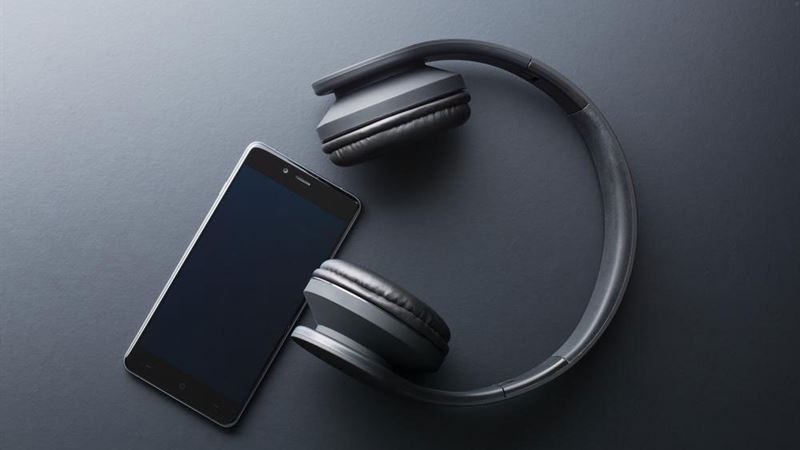
Digital wireless headphones have revolutionized personal audio experiences by combining affordability with cutting-edge technology. While many users are familiar with their basic functions, there are numerous features and innovations that often go unnoticed. This comprehensive guide aims to uncover lesser-known facts about these popular devices, exploring their technical components, design variations, and the benefits they offer. Whether you're an audiophile, a casual listener, or a tech enthusiast, understanding these aspects can enhance your appreciation and usage of digital wireless headphones.
At first glance, digital wireless headphones seem straightforward—providing wireless audio connectivity with minimal fuss. However, beneath their sleek exterior lies a sophisticated integration of hardware and software designed to deliver premium sound quality, user-friendly controls, and enhanced comfort. They are not just simple gadgets; they are engineered with quality components such as advanced chips, noise cancellation modules, and ergonomic designs. These elements contribute significantly to their performance, durability, and overall user satisfaction.
The foundation of high-quality digital wireless headphones is the embedded digital signal processing chip. This tiny yet powerful component manages audio transmission, decoding, and sound reproduction, ensuring a seamless listening experience. Modern chips are designed to handle high-resolution audio streams, maintaining clarity and richness even at high volumes. Additionally, many models incorporate active noise cancellation technology, which uses microphones and advanced algorithms to reduce ambient sounds—allowing users to enjoy their music without distractions whether commuting, working, or relaxing at home.
Portability is another key aspect that makes digital wireless headphones appealing. Their lightweight construction, foldable designs, and compact charging cases make them convenient for on-the-go use. Furthermore, intuitive touch controls placed directly on the ear cups or in-ear buds allow users to manage volume, playback, and calls effortlessly. These controls are often complemented by voice assistants like Siri or Google Assistant, enabling hands-free operation that enhances convenience and safety during activities such as driving or exercising.
An often overlooked feature is the customizable fit offered by in-ear wireless headphones. Equipped with multiple silicone ear tips of various sizes, these headphones ensure a snug, comfortable, and secure fit. This design not only enhances passive noise isolation but also improves sound quality by reducing sound leakage. The ergonomic design aligned with a premium seal guarantees high-quality audio experiences with punchy bass, clear mids, and sparkling treble, crucial for discerning listeners and audiophiles.
Battery life remains a vital factor influencing user satisfaction. Most wireless in-ear headphones provide approximately 5 hours of continuous playback on a single charge, supplemented by a portable charging case that offers multiple additional charges. This setup ensures uninterrupted listening sessions throughout the day while keeping the device compact and portable. Smart apps accompanying these headphones allow users to fine-tune audio settings, adjust equalization, and update firmware effortlessly, providing a tailored listening experience.
Another significant segment is wireless TV headphones. Designed specifically to enhance television viewing comfort, these devices offer excellent audio clarity, mobility, and compatibility. Many include RF transmitters with RCA inputs, supporting high-quality stereo sound. They typically come with dual headphone sets stored in a single case and operate on standard AAA batteries, giving users the flexibility to move freely around the room without losing audio quality. These offerings cater to those who seek an immersive audio experience while relaxing or entertaining at home.
In conclusion, digital wireless headphones encompass a broad range of features and innovations that can significantly improve personal audio experiences. From advanced noise-cancellation technology and ergonomic design to seamless connectivity and user-friendly controls, they are crafted to meet diverse preferences and needs. Staying informed about these lesser-known aspects can help consumers make educated choices, ensuring they select the perfect pair that offers both performance and value. As technology continues to evolve, future models will likely bring even more impressive features, further enriching our digital listening environments.