
Understanding the Vital Role of Theatre in Society and Culture
Theatre is a timeless art form that unites communities and preserves cultural identity through live performances. Its immediate, authentic experience creates emotional bonds, promotes social dialogue, and sparks curiosity. Despite technological advancements, theatre has endured, evolving into a powerful medium for storytelling, activism, and reflection. Its meticulous production process and ability to evoke genuine emotions make it an essential component of cultural life worldwide, offering audiences meaningful experiences that inspire, challenge, and entertain across generations.
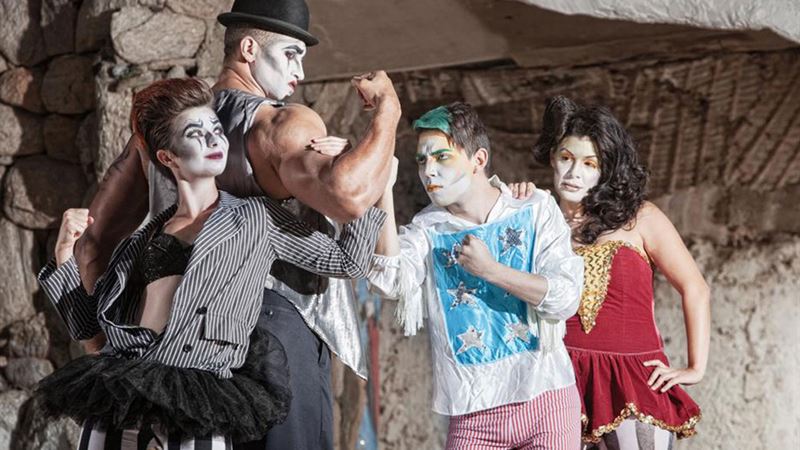
Throughout history, theatre has played a pivotal role in shaping cultural identities and societal values. From ancient rituals to modern stage productions, it has continuously evolved while maintaining its core purpose: connecting people through storytelling. The advent of cinema did raise questions about the future of theatre, with some believing it might fade into obscurity. However, theatre has persisted, thriving in various forms worldwide, resonating deeply with audiences across generations.
The essence of theatre lies in its ability to evoke genuine emotions and convey complex messages that are often difficult to articulate through other mediums. The immediacy of a live performance creates an intense bond between actors and viewers, making the experience profoundly impactful. Actors dedicate countless hours to perfecting their craft, practicing even the smallest gestures, facial expressions, and vocal nuances to ensure authenticity on stage. Unlike movies, where retakes are possible, theatre demands precision, spontaneity, and instant responsiveness, highlighting the skill and discipline of performers.
In the United States and around the world, performing arts have been integral to cultural history and social movements. Theatre has served as a powerful tool for activism, education, and preservation of traditions. It allows creators to explore pertinent societal issues, challenge injustices, and inspire change. The production process is a coordinated effort involving actors, directors, stage designers, costume creators, sound engineers, and many others, all working seamlessly to produce a captivating show. Every element, from lighting to set design, contributes to creating an immersive environment that transports audiences into different worlds.
Attending a theatre performance offers an experience that often exceeds expectations. With limited time and resources, productions are meticulously rehearsed and prepared, ensuring a high-quality presentation free of errors. Audience members are often left with lasting impressions and thoughts that linger long after the curtain falls. The shared experience fosters a sense of community and empathy, as viewers see themselves reflected or challenged through the stories told on stage.
Furthermore, theatre sparks curiosity and introspection. It awakens dormant emotions, prompting audiences to view life from new perspectives. Many performances explore meaningful, sometimes controversial themes—identity, love, conflict, social injustice—that resonate deeply within viewers’ personal and collective consciousness. This immersive storytelling creates an emotional connection that often persists, influencing how people perceive and engage with the world around them. Ultimately, theatre remains a vital cultural institution, continually adapting and thriving as a form of artistic expression that enriches human experience worldwide.