
The Extensive Legacy and Evolution of John Deere Mowers
Discover the rich history and evolution of John Deere mowers, from their pioneering beginnings in the 19th century to their modern innovations in agriculture technology. Learn how the company’s commitment to quality and innovation has made it a global leader in farm machinery and lawn care equipment for nearly two centuries.
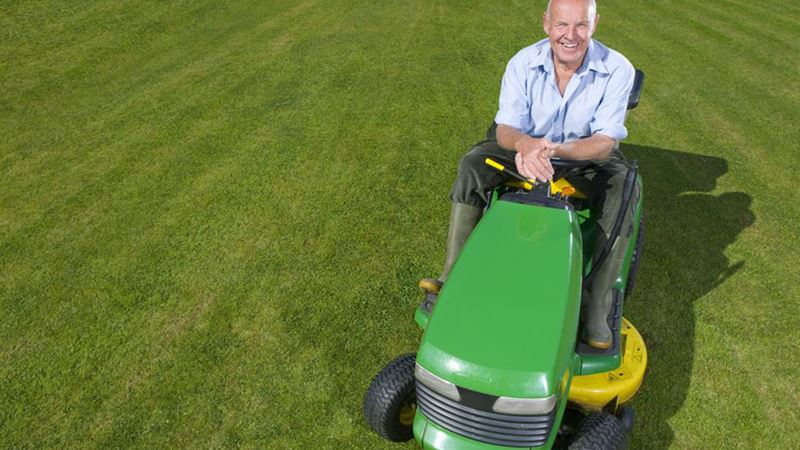
The story of John Deere begins in the early 19th century, showcasing a remarkable journey driven by ingenuity and perseverance. The company's origins trace back to 1837, and over the years, it has grown into an iconic name synonymous with durable and reliable mowers, tractors, and other farm machinery.
In 1837, the company was founded by a blacksmith named John Deere in Vermont. Recognizing the need for more efficient farming tools, Deere began crafting cast iron plows designed to work better in the tough soil conditions common in the American Midwest. These early innovations quickly gained popularity among farmers seeking to improve productivity and ease labor-intensive tasks.
By 1848, the business had relocated to Moline, Illinois, strategically situated along the Mississippi River, facilitating better transportation and expansion. The move marked a critical turning point, setting the stage for the company's upward trajectory. Charles Deere, the only son of John Deere, joined the company in 1853, bringing fresh ideas and helping to diversify the product range. During this period, the company's focus extended beyond plows to include wagons, buggies, and tightening production of various farm implements.
Despite facing economic challenges among farmers in the late 19th century, John Deere's company thrived, managing to sell approximately 50,000 plows by 1874. The firm was also known for its innovative approach, including the development of rotating plant mechanisms and other manufacturing efficiencies. 1876 marked a significant milestone: the registration of the iconic leaping deer trademark, which is now globally recognized.
As the company expanded its product offerings, it diversified into a broader array of agricultural equipment, which included the first self-sharpening plows and later, complex machinery for tractor cultivation and harvesting. Leadership transitions occurred when John Deere passed away in 1886, with his son Charles taking the helm as Chief Operating Officer.
Throughout the late 19th and early 20th centuries, John Deere established key regional branches in Kansas City, St. Louis, Minneapolis, Council Bluffs/Omaha, and San Francisco. These branches helped solidify the company's national presence and ensure rapid distribution of its products. The period between 1899 and 1900 saw the company's total sales surpass the $2 million mark for the first time, illustrating its rapid growth amid a burgeoning agricultural economy.
In the early 20th century, John Deere faced significant challenges and transformations. The death of Charles Deere in 1907 led to fresh developments in employee welfare, including innovative pension schemes for dedicated workers who had served over two decades. However, the company faced severe financial threats in 1931 when a $1.2 million embezzlement eroded stockholder confidence, nearly forcing closure. Despite this setback, the company recovered and continued its expansion.
The advent of World War II dramatically impacted agricultural manufacturing. Limitation orders by wartime authorities limited civilian farm equipment production, redirecting the company's efforts toward wartime needs. While the company briefly transitioned its machinery to the War Production Board, it resumed regular operations by 1944. Post-war years saw continued growth, with sales surpassing $1 billion for the first time in 1966, reflecting the escalating demand for robust farming machinery during a period of technological advancement and increased food production needs.
The late 20th century was marked by labor struggles, notably a significant 163-day strike in 1986 that disrupted production and supply chains, affecting farmers and distributors nationwide. Despite these hurdles, technological innovations persisted, reinforcing John Deere’s commitment to producing efficient and sustainable machinery.
Entering the 21st century, John Deere's sales have surged, driven by global demand for agricultural equipment, lawn mowers, and related machinery. In 2012, the company's revenue topped an impressive $36.2 billion with a net income of $3.1 billion, setting historic records. The company's focus on innovation, sustainability, and customer satisfaction continues to propel its leadership position in the industry.
Today, John Deere remains a pioneer, integrating advanced technology such as precision agriculture, GPS-guided systems, and environmentally friendly manufacturing practices. Its relentless pursuit of excellence ensures its products, including the iconic mowers, continue to serve farmers, landscapers, and homeowners globally, standing as a testament to over 180 years of agricultural excellence and innovation.