
The Evolution and Impact of Apple Watch: A Comprehensive Overview
Discover the fascinating history and evolution of the Apple Watch, from its conception to its current status as a leader in wearable technology. Explore how Apple transformed a simple idea into a versatile device that enhances connectivity, health, and style, setting industry standards along the way.
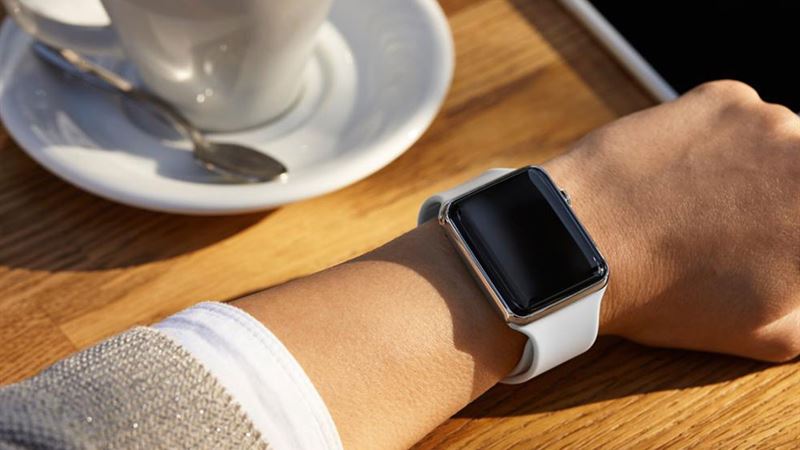
Exploring the journey of Apple Watch from inception to its current status reveals a fascinating story of innovation, design, and user engagement. Apple Inc. has consistently pushed the boundaries of wearable technology through their smartwatch series, creating products that seamlessly integrate into daily life and enhance digital interaction. The development of Apple Watch was driven by a vision to provide users with a wearable device that combines style, functionality, and connectivity. Kevin Lynch, the visionary behind many of Apple's innovative projects, played a central role in shaping the Apple Watch. His goal was to create a device that fosters close human contact, providing not just notifications and fitness tracking, but a new way for people to interact with their digital world. The idea of a wearable device from Apple appeared in rumors and industry speculation as early as 2011. It wasn't until 2014 that Apple officially announced their smartwatch plans, leading to widespread anticipation. When Tim Cook, then COO and now CEO, unveiled the product, it marked a new chapter in wearable technology. The initial launch featured four distinct models: Apple Watch Sport, Apple Watch, Apple Watch Hermes, and Apple Watch Edition, catering to different tastes and luxury segments. The primary goal was to enhance the iPhone experience, enabling users to stay connected without constantly reaching for their phones. Apple Watch connects via Bluetooth to the iPhone, allowing access to a variety of apps, notifications, and health features directly on the wrist. Its design emphasizes both aesthetics and practicality, offering customizable watch faces and interchangeable bands. In 2016, Apple introduced the second-generation model, Apple Watch Series 2, expanding on the original with added features focused on fitness and health. This series included options like Apple Watch Nike+, Apple Watch Hermes, and Apple Watch Edition, each integrating specialized functionalities. Fitness tracking became a core aspect, including GPS, waterproofing for swimming, and improved sensors for heart rate monitoring. Over the years, subsequent versions have continued to evolve, incorporating advanced health sensors, electrical heart sensors, ECG functions, and even blood oxygen level measurement. The integration of watchOS updates has brought enhanced user experiences, more personalized apps, and seamless connectivity across Apple devices. The success of Apple Watch is attributed not only to its technological innovations but also to its stylish design, making it a popular accessory among diverse demographics. It has transformed wearable technology from a niche gadget into an essential daily device for millions worldwide. Its ability to support health and fitness goals has also contributed significantly to its widespread adoption. Today, Apple Watch remains at the forefront of smartwatch technology, with ongoing innovations aimed at health monitoring, connectivity, and user interface improvements. Its influence extends across the industry, setting standards for what wearable devices can achieve and how they integrate into our connected lives. From its humble beginnings as a rumor to becoming a symbol of technological progress, the Apple Watch's journey illustrates the company's commitment to innovation and user-centric design. Its evolution reflects changing consumer needs and technological advancements, cementing its place as a pivotal product in the world of smart wearables.