
Comprehensive Guide to Creating Engaging How-To, DIY, and Expert Articles
Learn comprehensive strategies for creating engaging and authoritative how-to, DIY, and expert content. This guide covers structuring instructions, utilizing visuals, and engaging readers effectively to establish trust and credibility in your niche.
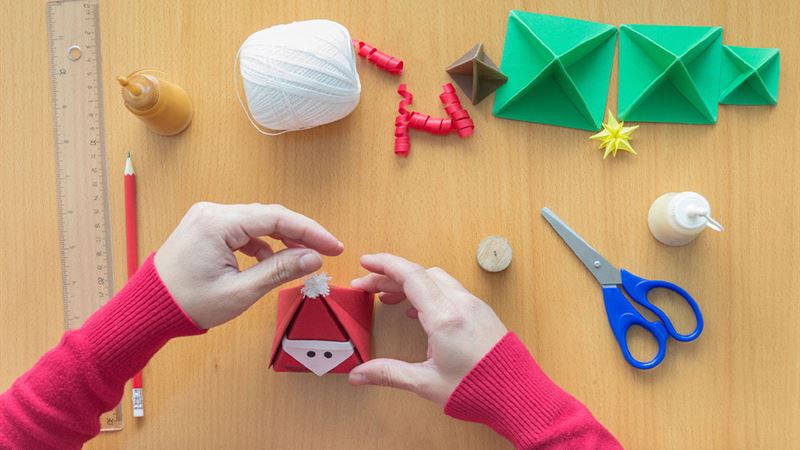
An Introduction to Effective How-To and DIY Content
In the digital world, tutorials and instructional guides have become indispensable tools for consumers and professionals alike. Whether you're explaining how to fix a broken faucet, develop a new skill, or share specialized industry insights, your goal should be to make complex topics accessible and straightforward. Well-crafted how-to content simplifies the learning process, ensuring readers can follow along seamlessly and accomplish their goals confidently.
Key Principles for Writing Convincing How-To Articles
- Clarity and Precision: Use simple, direct language. Avoid jargon unless necessary, and when used, provide explanations to ensure understanding.
- Structured Approach: Break down instructions into logical, easy-to-follow steps. Using numbered lists enhances clarity and keeps the process organized.
- Visual Aids: Incorporate diagrams, images, screenshots, or videos where applicable. Visuals help clarify complex steps and cater to visual learners.
- Material Lists: Include a comprehensive list of all tools, ingredients, or materials needed before you begin the instructions. This prepares your readers and prevents interruptions.
- Anticipate Challenges: Recognize common pitfalls or difficulties readers might encounter. Providing troubleshooting tips or FAQs can significantly boost user confidence and success rates.
Enhancing Readability and Engagement in How-To Content
To maximize engagement, employ clear headings, subheadings, and bullet points. Use concise sentences, aiming for about 20-25 words per sentence, to maintain reader interest and readability. This structure not only makes your content easier to scan but also emphasizes critical points. Additionally, a well-organized layout aids comprehension and retention.
The Role of Visuals in Instructional Content
Including detailed visuals like diagrams, annotated screenshots, or videos greatly enhances the instructional value of your content. Visuals break down complex steps, demonstrate proper techniques, and make your instructions more accessible. For example, a step-by-step photo series on repairing a leaky faucet can significantly decrease user confusion and effort.
Understanding Expert-Level Content Creation
Expert content is distinguished by its depth, accuracy, and authority. A seasoned writer in a specialized field demonstrates comprehensive knowledge and provides insights that are difficult to find elsewhere. This type of content builds trust and positions the author as a credible source of valuable information.
Key elements of expert writing include:
- In-Depth Research: Use reputable sources, studies, and up-to-date data to inform your content.
- Coverage of All Aspects: Address potential questions, explain nuances, and explore different scenarios to provide a holistic understanding.
- Clear and Accessible Language: Even complex topics should be made understandable for a broad audience.
Adding practical tips, industry best practices, or insider tricks elevates your content's usefulness. Sharing personal experiences or case studies further enhances credibility and engagement.
Mastering DIY Content Creation
DIY content is immensely popular, especially among hobbyists, learners, and budget-conscious individuals. Covering topics like home repairs, crafts, cooking, or personalized projects, DIY articles should inspire and guide readers step-by-step through their projects.
To succeed in DIY content, consider these tips:
- Identify Your Audience: Understand their skill levels, interests, and goals. Tailor your language and complexity accordingly.
- Focus and Scope: Be clear about the project's scope—whether it’s a simple craft or a detailed renovation—and communicate it upfront.
- Use Clear, Simple Language: Keep sentences short and instructions easy to follow. Avoid ambiguity to prevent mistakes.
- Stay Current: Ensure your information reflects the latest techniques, tools, and safety standards. Regularly update your content to maintain relevance.
- Document Your Process: Record each step meticulously while performing the activity. Note down observations, tips, and potential pitfalls to share with your readers.
Building a Successful DIY Blog or Platform
Choose a niche where you have expertise or passion. Whether it's woodworking, gardening, sewing, or tech projects, specialization helps attract a dedicated audience. Collaborate with other enthusiasts or experts to bring diverse perspectives and enrich your content.
Effective DIY blogs incorporate detailed tutorials, high-quality images, videos, and downloadable resources such as checklists or templates. Engage with your community by responding to comments, answering questions, and requesting feedback to foster trust and loyalty.
Research and Audience Engagement
Regardless of the type of content, thorough research is paramount. Explore what similar creators produce, identify gaps or opportunities, and adapt proven formats to your style. Understanding your audience’s needs, preferences, and skill levels allows you to craft content that truly resonates.
Visit forums, social media groups, and industry websites to gather insights and stay informed about trending topics. Use this knowledge to develop content ideas, improve your writing style, and ensure accuracy.
Final Tips for Aspiring Content Creators
Start with an area you're passionate about or experienced in, and focus on delivering genuine value. Maintain consistency in quality and posting schedule. Use feedback to refine your approach and learn from your audience's needs. Over time, producing comprehensive, engaging, and authoritative how-to, DIY, and expert articles will help establish your reputation as a trusted resource in your industry.