
Comprehensive Guide to Selecting Safe and Eco-Friendly Home Cleaning Products
Learn how to choose safe and eco-friendly home cleaning products by understanding ingredients, decoding labels, and avoiding misleading claims. This guide provides practical tips for safer cleaning solutions that protect your family and the environment.
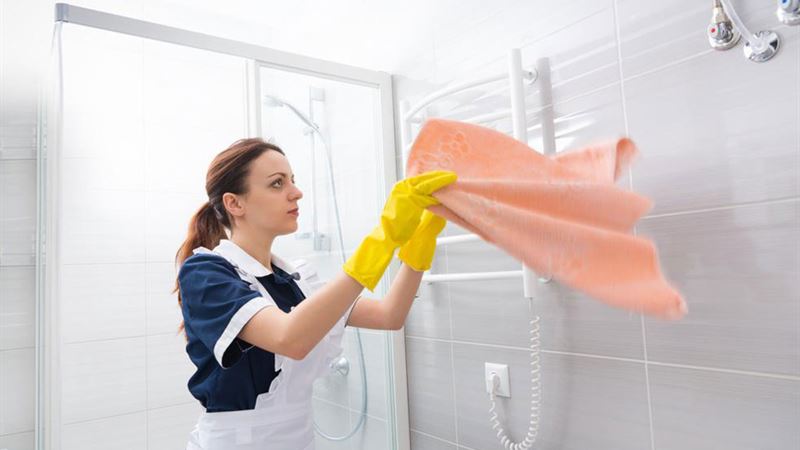
Choosing the right cleaning products for your home is crucial for maintaining a healthy living environment. Unfortunately, many products on the market may appear safe but hide harmful chemicals under their labels. Understanding what to look for and how to make informed choices can protect your family and the environment. Here is an extensive guide to help you identify safe and eco-friendly cleaning options, recognize misleading labels, and avoid common pitfalls while shopping for cleaning supplies.
- Identify Potentially Toxic Ingredients: When selecting cleaning products, it’s essential to scrutinize their ingredient list. Manufacturers might not always be transparent about their formulations, making it easy to unwittingly expose yourself to hazardous chemicals. Substances such as ammonia, glycol, bleach, and phosphates are common in many household cleaners but pose health risks and environmental hazards. Ammonia is highly irritating and toxic upon contact, inhalation, or ingestion, potentially causing respiratory issues. Glycol compounds can affect the nervous system and lead to dizziness or more serious health problems if inhaled or absorbed through the skin. Bleach, often found in multipurpose cleaners, can cause eye burns, skin irritation, and respiratory distress. Phosphates can damage aquatic ecosystems and contribute to water pollution. Recognizing these harmful ingredients helps you make safer choices.
- Decode Label Claims and Certifications: Labels claiming eco-friendliness or natural ingredients can be misleading. Terms like “green,” “natural,” or “herbal” are rarely regulated and may be used as marketing tactics. Always read the ingredients list to verify the actual components. Look for products certified by reputable organizations such as EPA’s Safer Choice, Ecolabel, or USDA Organic, which adhere to strict standards for safety and environmental impact. A genuine eco-friendly product should have transparent ingredient disclosure and relevant certifications. Avoid products with vague claims or incomplete ingredient lists, as these may conceal potentially harmful substances.
- Be Wary of Popular Brands and Trends: Popularity does not necessarily equate to safety or effectiveness. Well-established brands often market their products aggressively, creating a perception of quality and safety, but this isn’t always the case. Just because a product is associated with a well-known brand does not guarantee it is free from harmful chemicals. Take the time to review ingredients and certifications rather than relying solely on brand reputation or trendy marketing phrases. Popular products may contain unnecessary additives or synthetic fragrances that can cause allergies or respiratory issues. Making informed choices based on ingredient quality rather than brand popularity can save you health concerns and money in the long run.
- Evaluate Cost Versus Effectiveness: Budget-friendly cleaning products might seem appealing but may not be the most effective or safe options. Conversely, high-priced eco-friendly options may not always deliver better results. Focus on value rather than just price. Choose products that fit your cleaning needs, contain safe ingredients, and have proven efficacy. Remember, investing in quality cleaning products can improve your health and reduce the need for multiple applications, saving you money and time over time. Prioritize your health and the environment when making purchasing decisions rather than being swayed by cost alone.
Many cleaning products on store shelves claim to be safe and environmentally friendly, but the reality can be different. Making informed decisions about the products you bring into your home is essential to safeguard your health and that of your loved ones. Always scrutinize ingredient labels, watch out for misleading marketing claims, and opt for certified eco-friendly products whenever possible. Honest labeling, reputable certifications, and a thorough understanding of ingredients help you avoid harmful chemicals and select cleaners that truly align with your values. This approach not only benefits your family’s health but also contributes to a healthier planet. Remember, the key to a clean and safe home is awareness and informed choice. Regularly updating your knowledge about safe cleaning practices can help you maintain a healthier environment for years to come.