
The Ultimate Guide to Choosing and Benefits of Wooden Furniture
This comprehensive guide explores the difference between hardwoods and softwoods in furniture making, highlighting their unique qualities, benefits, and applications. It emphasizes why wooden furniture remains a timeless, durable, and eco-friendly choice for any home. Learn how to select the right wood, understand its properties, and explore design options to enrich your living space with beautiful, practical, and sustainable furniture pieces that endure through generations.
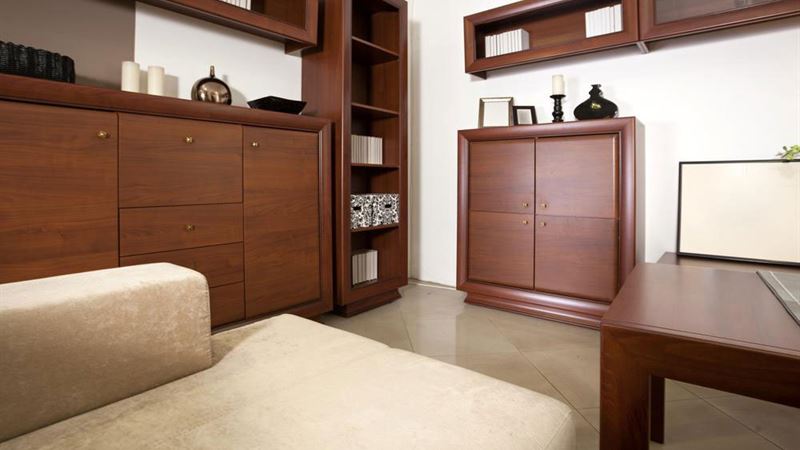
Wooden furniture remains a timeless choice for homeowners and interior designers alike. Its natural beauty, durability, and versatility make it a preferred material across various styles and budgets. Whether you’re furnishing a new home or renovating your current space, understanding the types of wood, their characteristics, and the benefits they bring can help you make an informed decision that lasts for generations.
When it comes to wood furniture, the first step is to understand the different types of wood available. The classification broadly falls into two categories: hardwoods and softwoods. Each has unique properties that influence their suitability for different furniture pieces and applications. Knowing the difference can help you select the right material for your needs, ensuring longevity, aesthetic appeal, and functionality.
Hardwoods vs. Softwoods
Hardwood furniture is crafted from deciduous trees, which are broad-leaved trees that shed their leaves annually. These woods tend to be denser and more durable, making them ideal for high-quality furniture pieces that require strength and a striking appearance. Some of the most popular hardwoods used in furniture making include:
- Mahogany
- Birch
- Beech
- Maple
- Oak
- Teak
- Walnut
In contrast, softwoods originate from coniferous or evergreen trees, which typically don't shed their leaves seasonally. These woods are generally lighter, softer, and easier to work with, making them perfect for a variety of furniture applications, especially where affordability and ease of manufacturing are priorities. Popular softwoods include:
- Spruce
- Pine
- Cedar
- Fir
- Redwood
To simplify, hardwoods are often chosen for their aesthetic appeal and durability, making them suitable for furniture that becomes a focal point or investment piece. Softwoods are easier to carve and shape, often used for practical, everyday furniture, and are typically more budget-friendly. Both types bring unique qualities and can be selected based on your specific needs and style preferences.
Top Five Qualities That Make Wood the Perfect Material for Furniture
Wood has been a trusted material for furniture making for centuries, thanks to its exceptional qualities that combine functionality with beauty. Here are five compelling reasons why wood continues to dominate the furniture industry:
- Exceptional Strength and Durability: Wood is remarkably strong relative to its weight. It can support significant weight and withstand daily wear and tear, which is why many furniture pieces are crafted from solid wood or high-quality wood composites. Properly maintained, wooden furniture can last for decades, often becoming heirloom pieces passed down through generations.
- Environmentally Friendly and Sustainable: Wood is a renewable resource. When sourced responsibly from managed forests, it has a minimal environmental impact. Additionally, wood products are biodegradable and recyclable, making them an eco-friendly choice compared to synthetic materials or plastics.
- Natural Insulation Properties: Wood’s inherent density provides excellent insulation against temperature extremes. Indoor wooden furniture and wooden structures help maintain stable internal temperatures, reducing energy consumption for heating or cooling and creating a cozy environment.
- Safety and Cost-Effectiveness: Unlike many synthetic materials, wood is non-toxic and does not emit harmful chemicals, making it safe for homes with children and pets. Additionally, wooden furniture is often more affordable over the long term, considering its longevity and minimal maintenance requirements.
- Design Flexibility and Aesthetic Appeal: One of the biggest advantages of wood is its versatility. It can be stained, painted, carved, or sanded to create various patterns, finishes, and styles—ranging from rustic to ultra-modern. Its natural grains and warm tones add a touch of elegance and comfort to any space.
In conclusion, wooden furniture is an investment that combines durability, beauty, and environmental responsibility. Its timeless appeal ensures it remains in style, whether you favor classic designs or contemporary aesthetics. Choosing the right type of wood and understanding its benefits can help you craft a space that is both functional and inviting.
Considering your options for fall home updates? Wooden furniture remains a smart choice, offering style, strength, and sustainability in one package. Discover the perfect wooden pieces to complement your home’s interior and create a warm, inviting atmosphere that lasts for years to come.