
Comprehensive Guide to Purchasing a Pre-Owned Toyota Highlander
Discover essential tips for purchasing a used Toyota Highlander, including key features, safety technology, model years, and buying considerations. This comprehensive guide helps you make an informed decision and find the perfect SUV for your needs and budget, emphasizing reliability, safety, and modern features in a pre-owned Highlander. Learn how to evaluate vehicle history, condition, and pricing for a smooth, confident buying experience.
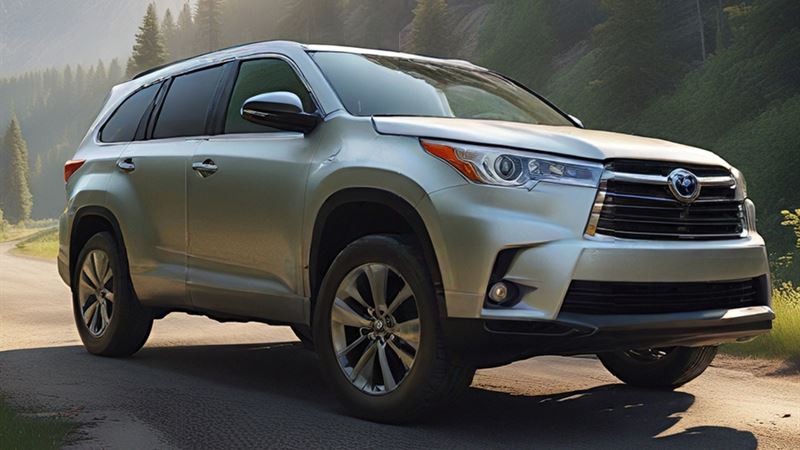
Depending on the model year and mileage, many used Highlanders may still be under the original manufacturer’s warranty or available with extended warranty options, providing peace of mind for owners.
Additionally, the Toyota Highlander is renowned for its spacious interior, making it an excellent SUV for families, outdoor enthusiasts, and travelers. With seating for up to eight passengers and generous cargo space, it’s versatile enough for various lifestyles and needs. Whether for daily commuting, weekend adventures, or long road trips, the Highlander’s design supports comfort, convenience, and practicality.
In-Depth Overview of the Fourth Generation Toyota Highlander (2020-Present)
The fourth-generation Highlander introduces a host of upgrades and modern features, reflecting Toyota’s commitment to safety, technology, and comfort. Buyers interested in purchasing a used Highlander should pay close attention to model year-specific features, trims, and optional packages.
Engine Options and Performance
Used Highlanders typically offer both gasoline and hybrid powertrains. The engine lineup varies based on the year of manufacture and previous owner preferences. Initially, earlier models were equipped with a 3.5L V6 engine delivering up to 295 horsepower and 263 lb-ft of torque, providing robust performance and towing capacity. Recent models, however, have transitioned to a more efficient 2.4-liter turbocharged four-cylinder engine, generating around 265 horsepower and 310 lb-ft of torque.
The hybrid variant features a 2.5-liter four-cylinder engine combined with electric motors, producing a combined output of 243 horsepower. Buyers should consider their driving habits and preferences when choosing between the gasoline and hybrid options, as each offers distinct advantages regarding fuel efficiency and performance.
Safety and Driver Assistance Technologies
All Highlander models come equipped with Toyota’s Safety Sense 2.5+ suite or higher, which includes advanced driver-assist features such as lane departure alert with steering assist, pre-collision system with Pedestrian detection, automatic high beams, lane tracing assist, adaptive radar cruise control, and road sign assist. These features contribute to high safety ratings from organizations like IIHS and NHTSA, ensuring passengers travel with confidence.
Exterior and Interior Design
The design significantly evolved in the fourth generation, offering a more modern, aerodynamic look. Top-tier trims, such as the Limited Platinum and Hybrid Limited Platinum, present luxurious features like leather-trimmed seats, a hands-free power liftgate, LED fog lights, and adaptive cruise control. Practical enhancements include wireless charging pads, captain’s chairs in the second row for easier passenger access, rear sunshades, a rear-seat entertainment system, an upgraded touchscreen interface, and seamless integration with Apple CarPlay and Android Auto. Voice assistant compatibility further enhances a connected driving experience.
Key Factors to Consider Before Purchasing a Used Highlander
To maximize satisfaction and avoid future issues, prospective buyers should conduct thorough research. The first step is obtaining the vehicle's history report, which details previous accidents, maintenance records, ownership history, and any title issues. This report helps identify potential red flags and ensures transparency.
Next, examining the mileage of the vehicle is essential. Lower mileage generally indicates less wear and tear, but it’s also important to verify that this matches the vehicle’s service history and condition. High-mileage vehicles may still be reliable if well-maintained but require careful inspection.
Inspecting the vehicle’s overall condition is crucial. Engaging a professional mechanic or an experienced auditor can identify hidden issues with the engine, transmission, suspension, brakes, and bodywork. This evaluation aids buyers in negotiating a fair price or deciding whether to proceed with the purchase.
For certified pre-owned (CPO) Highlanders, check if the vehicle qualifies under manufacturer programs that include comprehensive inspections, warranties, and additional perks.
The health of the hybrid battery is a key consideration for hybrid Highlanders. Ensure the battery is still within warranty, has been tested for capacity, and shows no signs of degradation. A professional inspection can prevent costly replacements later.
Pricing varies widely based on model year, trim, mileage, condition, and market demand. Expect to pay from around $25,000 to over $37,000 for recent used models. Keep an eye on seasonal promotions, dealership discounts, and financing options to secure the best deal.
In summary, buying a used Toyota Highlander requires careful research and inspection, but offers an excellent opportunity to own a reliable, spacious SUV with modern features at a more affordable price point.