
Essential Guide to Choosing the Right Whitening Toothpaste
Discover the essential insights into selecting effective whitening toothpastes. Learn how they work, their benefits, and tips for choosing products that suit sensitive teeth and overall dental health. This comprehensive guide helps you make informed decisions for a brighter, healthier smile, emphasizing safety, ingredients, and proven options approved by dental experts.
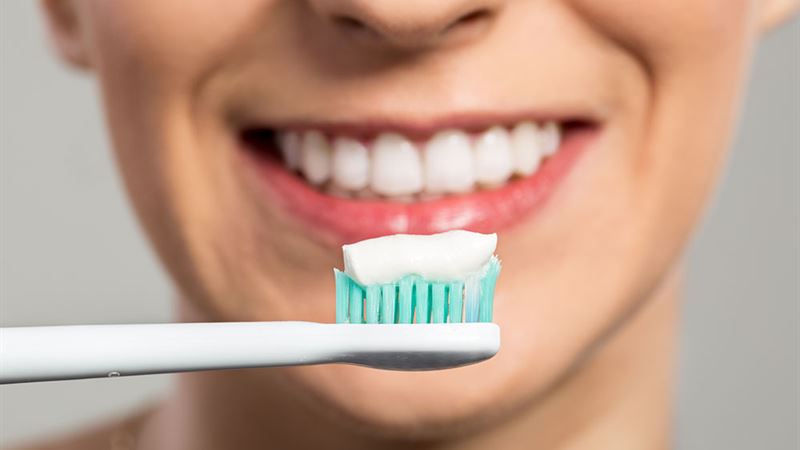
Maintaining a bright, radiant smile is a common goal for many individuals, and one of the popular methods to achieve this is through the use of whitening toothpastes. However, understanding how these products work, their benefits, and potential risks is crucial before incorporating them into your daily dental routine. Whitening toothpastes can significantly enhance your smile, but not all products are created equal, and some may have limitations depending on the nature of your dental stains and sensitivities. This comprehensive guide explores everything you need to know about whitening toothpastes — from how they function, different types available, to selecting the best product tailored to your needs.
In this guide, we will delve into the science behind whitening toothpastes. These products primarily work by removing surface stains or masking them for a short-term whitening effect. They are generally available over the counter and are touted for their convenience. However, their effectiveness can vary significantly based on the formulation and the type of stains present. For example, surface stains caused by coffee, tea, or smoking react differently to certain ingredients than intrinsic stains, which are embedded within the tooth enamel due to aging, medication, or trauma. Consequently, choosing an appropriate whitening toothpaste depends not only on desired results but also on individual dental health conditions.
Most whitening toothpastes contain mild abrasives such as hydrated silica, calcium carbonate, or silica-based compounds that help to scrub away surface stains effectively. These abrasives are designed to polish the teeth, restoring their natural whiteness without causing significant damage if used properly. Some products incorporate additional chemical agents like hydrogen peroxide or carbamide peroxide, which can help break down stains chemically for more pronounced whitening. Nonetheless, these chemicals must be used cautiously, especially by individuals with sensitive teeth.
Another popular additive in whitening toothpastes is blue covarine. Unlike abrasives or chemical agents, blue covarine provides a superficial whitening effect by coating the teeth with a blue hue, which tricks the eye into perceiving whiter teeth instantly. While this immediate result can boost confidence, it does not address the underlying staining or discoloration. Therefore, this method is considered a temporary cosmetic solution rather than a true whitening treatment.
When selecting a whitening toothpaste, it's essential to differentiate between products meant for superficial whitening and those designed for deep cleaning and stain removal. Some products combine both approaches, offering an initial visual whitening effect supplemented by ongoing stain removal properties. Understanding your specific dental needs will help you choose the most effective product.
Among the various brands available, some stand out for their efficacy and safety. For instance, Colgate® Optic White® is recognized for its ability to tackle both surface and intrinsic stains, utilizing hydrogen peroxide as a key active ingredient. Additionally, its formulation includes fluoride, which helps in cavity prevention, making it a comprehensive choice for those seeking whitening without compromising dental health.
Sensodyne ProNamel Gentle Whitening Toothpaste is another excellent option, particularly suited for individuals with sensitive teeth. It combines gentle abrasive agents like silica, which aid in removing stains, with protective ingredients that reduce sensitivity. This makes it an ideal product for people who worry about discomfort while bleaching or cleaning their teeth.
Crest 3D White Brilliance is renowned for its two-step whitening process that involves cleaning followed by whitening, delivering noticeable results when used regularly. Its formulation is designed to remove built-up stains and brighten teeth, giving you a confident, luminous smile.
While choosing a whitening toothpaste, it’s vital to consider not only its whitening capabilities but also its safety and compatibility with your dental health. Always look for the American Dental Association (ADA) Seal of Acceptance, which indicates that the product has been rigorously tested for quality and safety standards. Additionally, opting for products that contain fluoride will help protect your teeth against cavities and decay, an essential consideration for maintaining overall oral health.
In summary, selecting the right whitening toothpaste involves understanding how different formulas work, recognizing your specific dental needs, and ensuring the product's safety profile. Whether you are aiming for superficial brightness or more profound stain removal, there are options available tailored to your preferences. Always consult with your dentist before starting any whitening regimen, especially if you have existing dental issues or sensitivities. Proper usage, alongside regular dental care, can help you achieve a brighter, healthier smile that boosts your confidence and enhances your appearance.