
Comprehensive Guide to Commodity and Futures Market Investing
Explore the comprehensive world of commodities and futures trading, including market dynamics, key factors influencing prices, trading platforms, and risk management strategies. Learn how to diversify your investment portfolio effectively, understand market volatility, and assess whether this high-risk, high-reward market suits your financial goals. This guide provides essential insights to help both beginners and experienced traders navigate the complexities of the commodities market for smarter investing.
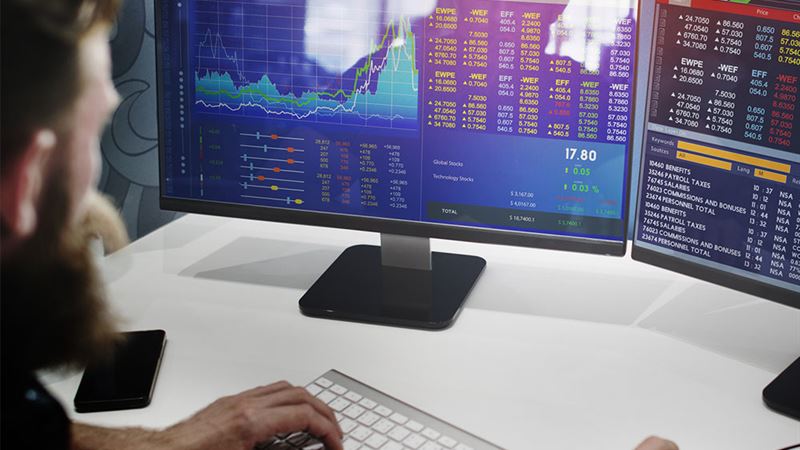
- Energy Commodities
Including resources such as coal, natural gas, ethanol, oil, and uranium, as well as renewable energy sources like solar and wind power, this sector represents a significant part of global markets. Understanding the dynamics of energy commodities can help investors assess their potential and risks.
- Livestock and Animal Products
This category encompasses live animals including cattle, pigs, sheep, and other livestock, which are traded globally based on supply-demand balances. Market trends in livestock can influence prices and investment strategies.
- Agricultural Goods
Edible items like grains, wheat, sugar, cocoa, and non-edible commodities such as rubber, cotton, and palm oil form a crucial segment. These products are affected by weather patterns, geopolitical tensions, and consumption trends.
Understanding the Volatility of Commodities
Unlike traditional stock markets, commodities and futures markets are inherently volatile due to numerous influencing factors. Traders seeking steady returns must accept the fast-changing nature of these markets, which can lead to high gains or significant losses.
Major Trading Platforms for Commodities and Futures
The leading exchange for trading commodities and futures is the Chicago Mercantile Exchange (CME). Approximately 80% of trades are executed electronically, offering fast, efficient transactions, while the remaining 20% occur through open-outcry trading, where traders shout out bids and offers based on current call-out prices, order sizes, and market depth.
Relationship Between Commodities and the US Dollar
Since most commodities are priced and traded in USD globally, their prices are highly sensitive to fluctuations in the dollar's value. A weakening dollar can make commodities cheaper for other currencies, boosting demand and prices, while a strengthening dollar can have the opposite effect. Therefore, traders must monitor dollar trends closely when engaging in commodities trading.
Market Liquidity in Commodities
The liquidity of commodities varies significantly. Metals like gold, copper, and silver generally enjoy high liquidity due to extensive global trading. In contrast, agricultural commodities like soybeans or mustard have varying participation levels depending on regional demand and seasonality, influencing ease of buying or selling assets quickly without impacting prices.
Margins and Leverage in Commodities Trading
Traders often operate with margin trading, which allows controlling larger positions with a smaller amount of capital. Typically, margins range from 5% to 10% for non-agro commodities, but during volatile periods, margin requirements can increase to prevent excessive risk exposure.
Trading Futures Contracts
Futures trading involves agreements to buy or sell a specific amount of a commodity at a predetermined price on a future date. It necessitates opening a specialized brokerage account and mastering the nuances of futures markets, including margin requirements, expiration dates, and contract specifications. Futures are popular for hedging and speculation but carry substantial risk for inexperienced traders.
Portfolio Diversification Strategies
Incorporating commodities into an investment portfolio can hedge against stock market downturns, as these assets often move inversely. Diversification can be achieved through various means, including digital gold, commodity ETFs, or direct physical holdings. This balanced approach helps mitigate risks while potentially enhancing returns over the long term.
Trading Hours and Market Accessibility
Extended trading hours allow investors to buy or sell commodities beyond regular market sessions, accommodating global traders and quick responses to market-moving news. However, trading outside normal hours might involve less liquidity and wider bid-ask spreads, impacting trade execution quality. Understanding these nuances is vital for part-time or time-constrained investors.
Is Investing in Commodities Suitable for You?
Before venturing into commodities and futures trading, investors should develop a solid understanding of market mechanics, price charts, and macroeconomic factors. High-risk tolerance is essential since commodity prices can fluctuate dramatically, leading to significant gains or losses. It's prudent to allocate only a small portion of your total investment portfolio to commodities and conduct thorough research or consult a financial advisor for tailored guidance.
Ultimately, understanding the intricate details of commodities and futures trading can help you make informed decisions. Proper research, strategic planning, and expert advice are vital components to succeed in this dynamic market, which offers unique opportunities for high returns but also presents substantial risks that require cautious management.