
Essential Guidelines for Choosing the Right Home Appliances for Your Needs
Choosing the right home appliances involves considering energy efficiency, size, and brand sustainability. This guide offers comprehensive tips for selecting appliances that save energy, reduce bills, and fit seamlessly into your home. From major to small appliances, learn how to evaluate features, certifications like ENERGY STAR, and promotional incentives, ensuring your investments are both practical and environmentally responsible. Make informed decisions for a smarter, greener household today.
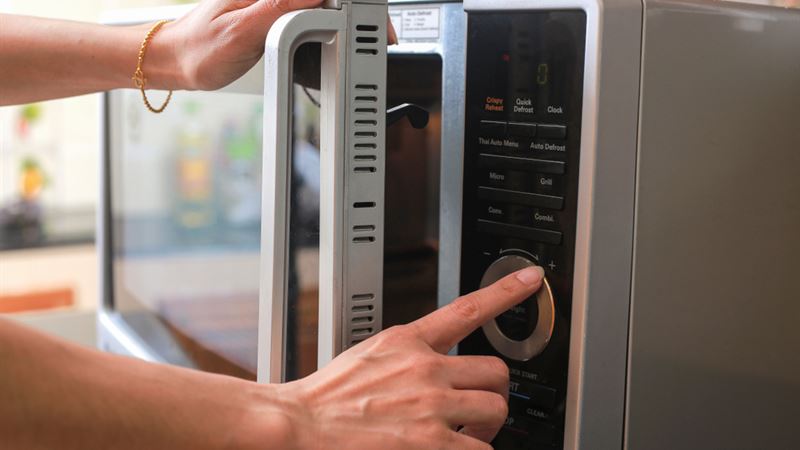
Understanding the broad categories of home appliances is crucial for making smart buying decisions. Typically, appliances are classified into two main groups: major appliances and small appliances. Each category serves different purposes and has distinct features that influence purchase choices.
Major Household Appliances
These large, often bulky devices are essential for daily household functions such as cooking, cleaning, and laundry. They usually require dedicated electrical connections and are less portable compared to their smaller counterparts. Examples include refrigerators, washing machines, dryers, microwave ovens, water heaters, air conditioners, and water coolers. Because these appliances consume significant amounts of electricity, manufacturers have introduced energy-saving modes and technology advancements to help homeowners reduce their energy bills and minimize environmental impact. When investing in major appliances, consumers should evaluate their energy consumption, size, capacity, and compatibility with their household infrastructure.
Small Household Appliances
Designed for convenience and portability, small appliances are typically powered by electricity but are more compact and versatile. They include devices such as toasters, blenders, coffee makers, food processors, waffle irons, and electric kettles. Higher-end models, such as premium espresso machines, hot pots, and advanced mixers, often come with sophisticated features and higher price tags. Some appliances operate on gas or manual power, like hand-crank egg beaters and graters, serving specific functions efficiently without the need for electricity. These small appliances are crucial in enhancing everyday kitchen and cleaning tasks, but consumers should consider energy consumption and durability when making their choices.
How to Select Energy-Efficient Appliances
In today's eco-conscious world, energy efficiency has become a primary factor in appliance selection. While modern appliances often feature a variety of functionalities, not all are optimized for energy savings. Choosing energy-efficient models helps reduce utility bills, conserve natural resources, and promote environmental sustainability. Here are critical tips to guide your purchase decisions:
- Measure the available space carefully before buying. Ensure that the dimensions of the appliance fit perfectly within the designated area, and consider access to vents, doors, and surrounding clearance for proper operation and maintenance.
- Compare the purchase cost with the long-term energy savings. An appliance with a higher initial price may offer significant savings over time due to lower energy consumption and advanced features. Evaluate the total cost of ownership when making your decision.
- Look for promotional programs, rebates, and incentives. Retailers often have special offers, and government programs like ENERGY STAR rebates can significantly reduce the cost of energy-efficient appliances. Asking retailers about such programs or visiting official websites can be beneficial.
- Check labels and certifications carefully. The ENERGY STAR label, awarded by the Environmental Protection Agency, indicates that the product meets strict energy efficiency standards. Reading the energy guide label provides detailed information about estimated annual energy use and operating costs.
- Compare energy ratings among different models. Review multiple brands and models to find the most efficient and suitable option for your household needs. Think about product durability, warranty, and after-sales service as additional factors in your choice.
Adopting energy-efficient appliances is not only good for reducing monthly expenses but also plays a vital role in decreasing our carbon footprint. Many leading brands, including LG, Electrolux, and Haier, prioritize sustainability by offering appliances that are both efficient and environmentally friendly. Making an informed comparison and understanding the energy-saving features available can help you select appliances that support a greener lifestyle.