
Essential Guidelines for Choosing the Perfect Furniture for Your Home
Discover comprehensive tips for selecting high-quality furniture tailored to your lifestyle and home decor needs. From evaluating materials and finishes to ensuring ergonomic comfort and perfect space fit, this guide helps you make informed decisions. Learn how to inspect furniture thoroughly, understand different fabric options, and measure your space accurately to avoid costly mistakes. Whether you're purchasing a sofa, dining set, or bedroom furniture, follow these expert guidelines to ensure your investment adds beauty, comfort, and durability to your home for years ahead.
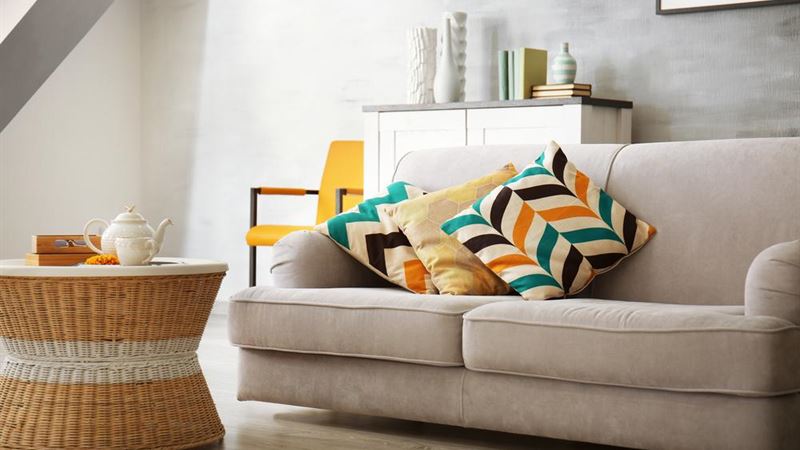
- Assessing the Durability and Material Quality of Wooden Furniture and Sofas
When investing in furniture, especially pieces like sofas, coffee tables, or dining sets, evaluating their quality is crucial for ensuring longevity and satisfaction. The market offers products that may appear identical but differ significantly in craftsmanship, material, and finishing. A well-made piece will be constructed from high-quality materials, such as sturdy lumber, premium fabrics, and durable finishes. It is essential for homeowners to scrutinize the core materials, including the type of wood, the fabric’s fiber content, and the upholstery’s finishing touches. Such diligence guarantees that the furniture will withstand regular use and maintain its aesthetic appeal over time.
High-grade furniture often features solid wood frames, with joints that are reinforced or glued with precision, ensuring the piece remains stable for years. The upholstery should be made from resilient fabrics that resist wear and tear, and finishes should be smooth and evenly applied. If a piece appears flimsy or the finish lacks uniformity, it may be indicative of inferior craftsmanship. Therefore, dedicated buyers should avoid shortcuts and seek furniture that checks all these quality markers to guarantee cost-effectiveness and durability.
- Thorough Examination of Fabric, Upholstery, and Material Composition
The visual appeal of furniture can be deceptive if the emphasis remains solely on exterior appearance. Informed buyers know that inner materials significantly influence the furniture's performance. When choosing upholstery, consider your lifestyle and usage patterns. For lighter use, delicate fabrics like silk or velvet add a touch of elegance. However, if the furniture will endure frequent utilization, opt for more resilient options like Nubuck, suede leather, or synthetic fabrics designed for heavy wear. Always verify the authenticity of leather, as fake or imitation leathers are prevalent but may not offer the same longevity or comfort.
Evaluating the quality of fabrics involves checking their weave tightness, colorfastness, and resistance to pilling or fraying. Testing the fabric with your hand can reveal its density and softness, aiding you in selecting the right tactile experience. Moreover, understanding the fabric’s maintenance needs ensures you choose options that align with your routine, whether that involves regular cleaning, stain resistance, or shielding from direct sunlight. Remember, the durability of furniture primarily depends on the caliber of its materials; therefore, due diligence during selection is indispensable.
- Finish, Texture, and Surface Evaluation
The visual and tactile qualities of furniture’s finish and texture often reflect its craftsmanship. A deep, uniform paint or stain finish may mask underlying flaws, so don’t solely rely on superficial appearances. Run your hand over surfaces to feel for consistency—there should be no bumps, rough patches, or splinters. Inspect seams, joints, and hardware for signs of proper assembly. Metal components like bolts and nuts should be well-covered or matched to the fabric or finish to prevent damage or discomfort in use.
Be cautious of furniture that looks perfect but has hidden defects. Use your sense of touch and visual inspection to determine the quality. Ideally, the finish should feel smooth and even, with no areas prone to chipping or peeling. Such diligence ensures that you invest in pieces that not only look attractive but also stand the test of time.
- Assessing Comfort and Ergonomics for Daily Use
Comfort is a fundamental aspect often overlooked during furniture shopping. Sitting on a sofa or testing an armchair should be part of your evaluation. Check if cushions are adequately stuffed, with well-defined corners that provide proper support. The upholstery should contour comfortably to your body without sagging or bunching. The structural elements, like the legs and frame, should feel sturdy and secure, with no creaking or looseness. Properly sewn upholstery with no protruding springs or uneven stitching enhances both comfort and aesthetics.
Seating that is uncomfortably firm or too soft can lead to discomfort or posture issues over time. It’s advisable to sit and lounge on the furniture as you would in your daily routine to gauge its suitability. Ensuring that the furniture provides ergonomic support helps prevent backaches and muscle discomfort, making your investment worthwhile.
- Measuring and Planning Space Before Purchase
Before purchasing furniture, especially larger pieces like sofas and dining tables, take accurate measurements of your intended space. Knowing the dimensions of your room and visualizing how the new furniture will fit prevents overcrowding and ensures harmonious integration with existing décor.
Measure doorways, hallways, and staircases to confirm that the piece can be delivered and installed without difficulty. Consider leaving enough clearance around furniture for movement and cleaning. Overly bulky items, such as large L-shaped sofas or oversized tables, can dominate a room and hinder functionality.
Using a measuring tape and drawing a layout plan can help you visualize the final arrangement. Remember, choosing furniture that complements your space enhances both the practicality and aesthetic appeal of your home.
- Final Tips for an Informed Furniture Purchase
Shopping for furniture involves balancing comfort, style, quality, and price. Take your time to compare options from different manufacturers and vendors. Read customer reviews and ask for detailed product specifications. Always opt for furniture that offers warranty coverage or post-purchase support.
Inspect the furniture thoroughly upon delivery, double-checking all joints, finishes, and cushions. Don’t hesitate to negotiate or request modifications if necessary. Remember that well-chosen furniture not only enhances your home’s décor but also provides a comfortable and durable investment that lasts for years to come.