
Comprehensive Guide to Colon Polyps: Types, Risks, and Prevention Strategies
This comprehensive guide explores colon polyps, detailing their types, causes, risk factors, symptoms, diagnostic methods, and prevention strategies. Understanding these aspects helps in early detection and reduces the risk of colon cancer. Staying informed empowers individuals to take proactive steps towards colorectal health through healthy lifestyle choices and regular screenings. Early intervention plays a vital role in preventing the progression of benign polyps into malignant tumors, emphasizing the importance of routine check-ups and awareness.
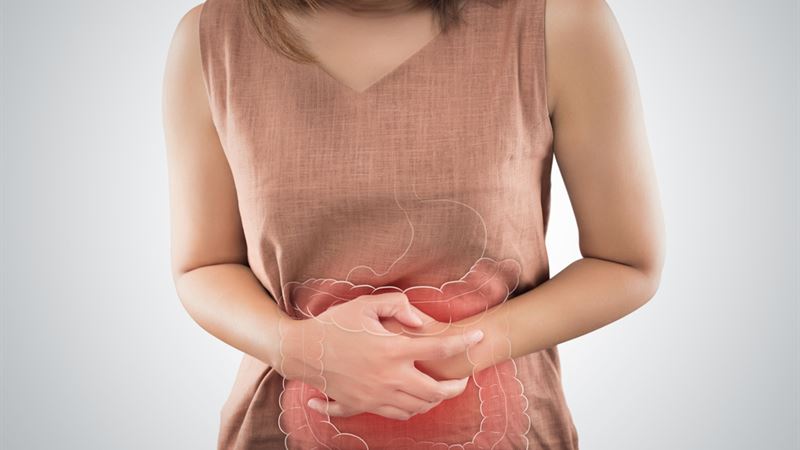
What are Colon Polyps?
Colon polyps are abnormal tissue growths that develop on the inner lining of the colon or rectum. Although most polyps are benign, some possess the potential to turn into colorectal cancer over time. This makes early detection and removal essential, often preventing the progression to cancer. Polyps vary widely in size, shape, and histology, and understanding these differences is vital for effective management and treatment strategies.
The incidence of colon polyps increases with age, particularly affecting individuals over 50. Routine screening methods like colonoscopy have been instrumental in detecting and removing polyps early, significantly reducing colorectal cancer rates worldwide. While some polyps are asymptomatic, others may produce recognizable signs, prompting individuals to seek medical attention.
Classification of Colon Polyps: An Extensive Overview
Various types of colon polyps exist, each with distinct histological characteristics and potential malignancy risks. Here's an expanded discussion of the primary categories:
- Inflammatory or Pseudopolyps: Often called false polyps, these develop in response to chronic inflammation of the colon lining, typically in patients with inflammatory bowel diseases such as Crohn’s disease or ulcerative colitis. They are benign and result from tissue regeneration following inflammation. These polyps rarely become cancerous, but their presence indicates ongoing inflammation that requires management.
- Adenomatous Polyps (Adenomas): Representing approximately 70% of all colon polyps, adenomas are precancerous lesions. They can develop into malignancies over a period of several years, especially if they are large, have villous features, or exhibit dysplastic cells. Subtypes include tubular, villous, and tubulovillous adenomas, with villous adenomas being most prone to malignant transformation.
- Hyperplastic Polyps: Characterized by an overgrowth of normal cells, these are generally small, benign, and have a low risk of becoming cancerous. Although hyperplastic polyps are common, their clinical significance is primarily in differentiating them from other riskier polyps during diagnosis.
- Villous Adenomas: These are a more aggressive subtype of adenomas, featuring villous (frond-like) architecture. They carry a high risk of progressing to colorectal cancer—estimates suggest about 30% of villous adenomas become malignant. Surgical removal is often required to treat these lesions effectively, especially if they are large or exhibit high-grade dysplasia.
Underlying Causes and Development of Colon Polyps
Despite extensive research, the precise causes of colon polyps remain partially understood. It is believed that a combination of genetic predispositions and environmental factors influences their formation:
- Genetic mutations and inherited syndromes such as familial adenomatous polyposis (FAP) significantly increase risk.
- Environmental factors include diet, lifestyle, and exposure to carcinogens.
- Chronic inflammation and mucosal injury also contribute to abnormal tissue proliferation, leading to polyp formation.
Risk Factors Associated with Colon Polyps
- Age: The likelihood of developing polyps sharply rises after age 50.
- Family History: Individuals with relatives who have had colon polyps or colorectal cancer are at increased risk.
- Sex: Men tend to have a slightly higher prevalence than women.
- Race: Black individuals are at elevated risk compared to other racial groups.
- Dietary Habits: Diets high in red and processed meats, coupled with low fiber intake, increase the chances of polyp development.
- Lifestyle Choices: Smoking, excessive alcohol consumption, and sedentary lifestyle contribute to elevated risk.
- Obesity: Excess body weight is linked to higher incidence of colon polyps and subsequent cancer.
Detecting Colon Polyps: Diagnostic Measures
Early detection is crucial for effective management. Healthcare providers utilize various diagnostic tools, including:
- Colonoscopy: The gold standard, allowing direct visualization and removal of polyps.
- Sigmoidoscopy: Examines the sigmoid colon and rectum, useful for detecting distal polyps.
- Barium Enema: Imaging test using contrast to outline colon structure, less commonly used today.
- CT Colonography: Non-invasive, detailed imaging suitable for screening high-risk populations.
- Stool Tests: Detect blood or DNA markers associated with polyps or cancer, serving as supplementary screening tools.
Signs and Symptoms: Recognizing the Warning Signs
- Change in stool color or consistency
- Rectal bleeding or blood in stool
- Iron deficiency anemia
- Unexplained fatigue
- Abdominal discomfort or pain
- Persistent change in bowel habits
- Unexplained weight loss
Although many polyps are asymptomatic, awareness of these signs can prompt timely medical investigation.
The Prevalence of Colon Polyps
- They are remarkably common across age groups.
- Incidence increases with advancing age, especially beyond 50.
- Presence of polyps often indicates a higher risk of future polyps or cancer development elsewhere in the colon.
- Many polyps cause no symptoms, only discovered during routine screening or investigation for other issues.
Prevention and Risk Reduction Strategies
- Healthy Lifestyle: Embrace a diet rich in fruits, vegetables, and whole grains to boost fiber intake. Limit red and processed meats, reduce alcohol consumption, and quit smoking. Regular physical activity and maintaining a healthy weight are key components.
- Medical Surveillance: For high-risk individuals, such as those with a family history, early and regular colonoscopies can detect and remove polyps before they develop into malignancies.
- Diet and Nutrition: Consuming foods high in antioxidants and fibers can inhibit abnormal tissue growth.
- Prompt Medical Consultation: If symptoms arise or risk factors are present, early investigation and intervention are essential for optimal outcomes.
Maintaining awareness and proactive health measures can go a long way in preventing colon polyps and reducing colorectal cancer risk. Regular screening remains the cornerstone of early detection and effective management.