
Advantages and Disadvantages of Wall Beds: A Comprehensive Guide
Discover the comprehensive advantages and disadvantages of wall beds, including space-saving benefits, modern design options, comfort concerns, and operational challenges. This detailed guide helps you make an informed decision about incorporating Murphy beds into your home for maximum flexibility and style.
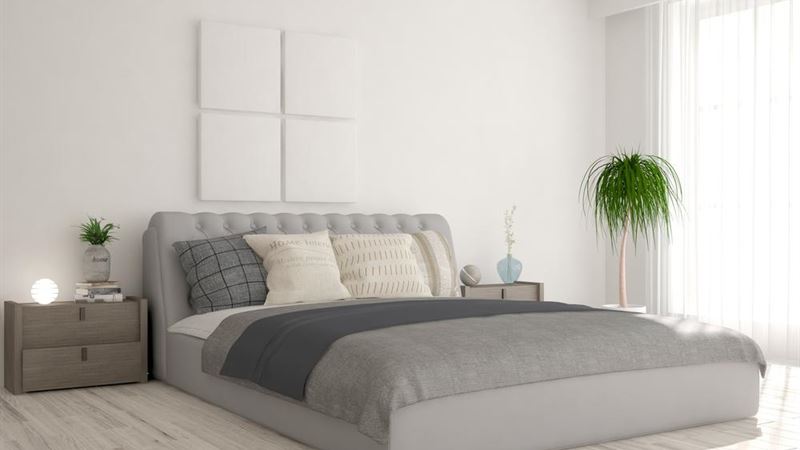
Wall beds, commonly known as Murphy beds, have gained popularity for their ability to maximize space in compact living environments. These innovative furniture pieces serve dual functions — providing a sleeping area by day and transforming into an open space during waking hours. Their design allows homeowners to optimize limited space without sacrificing comfort or functionality. In this extensive guide, we explore the numerous benefits, potential drawbacks, design options, and practical considerations of installing wall beds, helping you make an informed choice for your home.
Maximizing Living Space
One of the primary reasons people opt for wall beds is their excellent space-saving ability. In small apartments, studios, or guest rooms, a wall bed can free up valuable floor space that can be used for other activities during the day. When folded away, a room can transition seamlessly from a sleeping area to a multipurpose living space, accommodating various activities like exercising, working, or entertaining guests. This flexibility is especially beneficial in urban settings where space is at a premium, allowing residents to make the most out of their limited square footage.
Creating Multi-Functional Rooms
By transforming a dedicated bedroom into a versatile area, wall beds enable homeowners to maximize functionality. For instance, a room can serve as a home gym, a playroom, or a home office during daytime hours, and then become a cozy sleeping quarters at night. This adaptability is vital for people living in smaller homes or apartments, where splitting spaces into distinct rooms isn’t feasible. Moreover, these beds contribute to a clutter-free environment since they can be neatly hidden away, maintaining a clean and organized appearance.
Modern and Sleek Designs
Today’s wall beds come in a variety of contemporary and minimalist designs that blend seamlessly with modern interiors. Whether you prefer a simple, clean look or something more decorative like a built-in closet or a library-style unit, options abound. Some popular styles include library Murphy beds, bi-fold mechanisms, and fully integrated cabinetry, offering not just functionality but aesthetic appeal. Manufacturers now offer customizable finishes, colors, and hardware to match your existing décor, allowing you to personalize your space without sacrificing style.
However, every technological marvel has its limitations. It’s important to understand the potential downsides of wall beds to ensure they fit your needs. Below are some common disadvantages associated with Murphy beds, which include comfort concerns, limited decorative options, and operational challenges.
Comfort Considerations
When it comes to comfort, wall beds might fall short compared to traditional beds. Many models utilize wire mesh or metal framing instead of traditional box springs, which can impact sleeping quality. The absence of a proper foundation can lead to a less cushioned sleep experience, especially if the mattress used is not specifically designed for wall beds. For those who prioritize luxurious sleep or have specific health requirements, some compromises may be necessary. Additionally, the mattress options for wall beds tend to be thinner and less plush than standard mattresses, which could affect overall comfort for long-term use.
Limited Opportunities for Decoration
Unlike conventional beds that often feature headboards, footboards, and decorative bed rails, wall beds typically lack these elements, restricting aesthetic customization. Since wall beds are designed to fold away conveniently, they often come with sleek, functional aesthetics rather than decorative embellishments. For individuals who enjoy personalizing their sleeping space with art, cushions, or decorative bedding, this can be a drawback. The minimalistic design, while stylish, may not appeal to those seeking a more personalized or ornate bedroom decor.
Operational Challenges and Maintenance
Using a wall bed daily can become tedious for some users, especially when folding and unfolding the bed each day. The mechanical components, hinges, and locking mechanisms require regular maintenance to ensure safety and functionality. For elderly individuals or children, operating the bed without assistance can be cumbersome or pose safety concerns if not properly installed. Furthermore, the process of raising and lowering the bed can be physically demanding for some users, leading to potential frustration or accidental damage if not handled carefully.
Limited Customization Options
Wall beds are generally available in standard sizes and designs, offering limited scope for personalization. Unlike traditional beds that can be tailored in terms of size, headboard style, or upholstery, wall beds often come pre-designed, limiting how much you can modify their appearance. Although some accessories like shelves or lighting can be added, these modifications are usually superficial and do not fundamentally change the structure. For those seeking a personalized sleep environment, this restriction might be a consideration when choosing a wall bed.
Cost Factors
Wall beds tend to be more expensive than simpler furniture options such as cabinets or fold-away foam mattresses. The price reflects their complex mechanism, custom cabinetry, and engineering. Although installation costs can vary, quality wall beds generally require professional setup to ensure safety and durability. Additionally, the better the design, the higher the price. For budget-conscious consumers, this investment might feel steep compared to traditional beds or alternative space-saving solutions. Nonetheless, considering the space-saving benefits, many find the cost justified for their specific needs.
In conclusion, wall beds offer a clever solution for those eager to optimize space and create a flexible living environment. While they provide undeniable benefits in terms of functionality and style, potential drawbacks such as comfort, customization, and operational effort should be taken into account. By understanding their limitations and features, homeowners can determine whether a wall bed is the right choice for their lifestyle and space requirements. Proper installation and choosing the right design can enhance their functionality and ensure long-term satisfaction with this innovative furniture.