
Comprehensive Guide to Managing Neck and Shoulder Discomfort
This comprehensive guide offers an in-depth exploration of neck and shoulder pain, covering causes, diagnosis, treatment options, and prevention tips. Understanding the underlying factors and adopting proper care strategies can help individuals manage discomfort effectively and prevent future episodes. From age-related degenerative issues to traumatic injuries, learn how to address and mitigate these common musculoskeletal problems for improved health and mobility.
Understanding the Complexity of Neck and Shoulder Pain
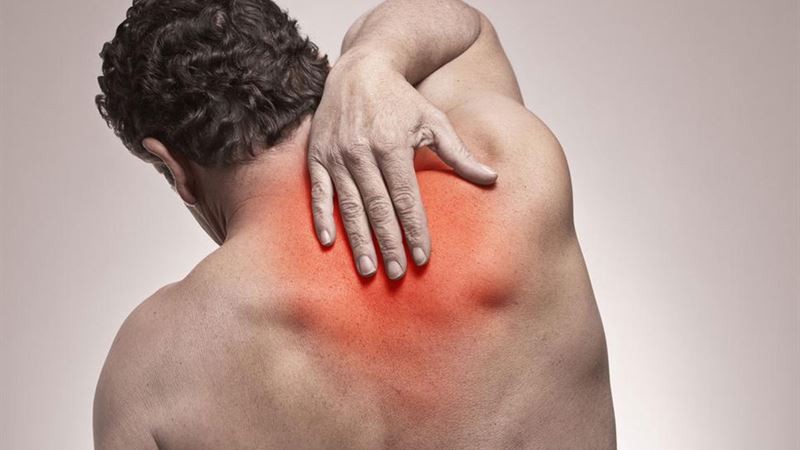
Anatomy and Common Causes of Neck Pain
Common causes of neck pain include:
- Spondylosis: Age-related wear and tear in the cervical spine lead to degenerative changes, often resulting in neck stiffness, pain, and reduced mobility. Elderly individuals are particularly vulnerable to this condition.
- Neck Cancer: Although rare, neck pain accompanied by lumps or swelling can be indicative of malignancies originating in nearby tissues like the mouth, throat, or nasal passages. Risk factors such as tobacco and alcohol use elevate susceptibility.
- Spinal Stenosis: Narrowing of the spinal canal due to arthritis, injury, or aging results in nerve compression, causing pain, numbness, and sometimes weakness in the neck and shoulders.
- Whiplash: Sudden and forceful movements, often due to car accidents or trauma, lead to overstretching or tearing of cervical muscles and ligaments, producing acute pain and stiffness.
- Carotid Artery Dissection: Damage to the carotid artery in the neck can cause severe pain and is a critical warning sign for stroke risk, requiring urgent medical attention.
Understanding the Causes of Shoulder Pain
Primary causes of shoulder discomfort include:
- Frozen Shoulder (Adhesive Capsulitis): Characterized by stiffness and severe pain due to inflammation and thickening of the shoulder capsule, leading to restricted movement.
- Fractures: Breaks in the clavicle, humerus, or scapula often result from trauma, causing debilitating pain and deformity.
- Lesions and Tearing of Soft Tissues: Tendon tears, ligament injuries, or muscle tears frequently occur in athletes or individuals performing repetitive overhead activities, leading to chronic pain and weakness.
- Arthritis: Rheumatoid or osteoarthritis can deteriorate cartilage and joint structures, causing inflammation, swelling, and persistent pain.
- Dislocation: Sudden trauma or excessive force can displace the humeral head from its socket, resulting in immediate and severe pain, deformity, and restricted mobility.
- Tendinitis: Inflammation of tendons, especially in the rotator cuff, leads to pain, redness, swelling, and sometimes nerve impingement.
Risk Factors and Contributing Elements
First Aid and Immediate Care for Injuries
- Protection: Remove the individual from further risk to prevent additional injury.
- Rest: Limit movement and avoid using the affected joint or muscle.
- Ice: Apply cold compresses to reduce swelling and numb pain. Cold therapy is preferred immediately after injury.
- Compression: Use elastic bandages to provide support and minimize swelling.
- Elevation: Keep the injured part elevated to facilitate fluid drainage and decrease swelling.
Diagnosis and Medical Evaluation
Conservative Treatment Approaches
- Medications: Over-the-counter analgesics like acetaminophen and NSAIDs such as ibuprofen help reduce pain and inflammation. In some cases, corticosteroid injections are necessary.
- Physiotherapy: Guided exercises improve flexibility, strengthen muscles, and restore proper posture. Manual therapy and ultrasound treatments can accelerate recovery.
- Heat and Cold Therapy: Alternating hot and cold packs can alleviate muscle tension, improve blood flow, and reduce pain.
- Posture Correction: Ergonomic adjustments at work and daily habits can prevent strain and improve musculoskeletal health.
Surgical and Advanced Treatments
Preventive Strategies and Lifestyle Modifications
When to Seek Medical Advice
Conclusion