
Expanding Horizons: The Multifaceted World of Wearable Technology
Wearable technology has rapidly evolved from fitness gadgets to vital tools across industries. It enhances personal health, supports medical advancements, and boosts productivity, with innovations like smart shoes and medical wearables leading the way. As development continues, wearables are set to become even more integrated into daily life, offering personalized health insights and transforming various sectors through cutting-edge features and applications.
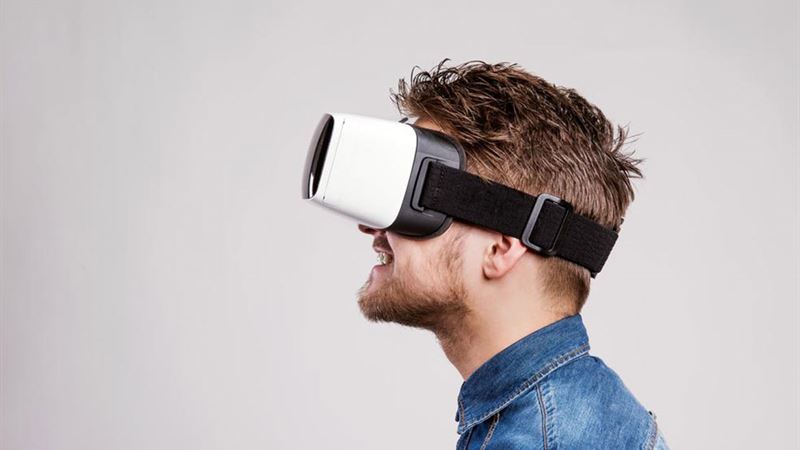
In recent years, wearable technology has rapidly transformed from a niche innovation into a mainstream facet of daily life, influencing both personal routines and professional practices. These devices, often compact and user-friendly, are reshaping how individuals and industries approach health, productivity, and connectivity. From fitness trackers to advanced medical tools, the spectrum of wearable tech is broadening, driven by technological advancements and shifting consumer expectations.
Statistics reveal that about 20% of American adults owned at least one wearable device by 2014, as reported in the PriceWaterhouseCoopers Wearable Future Forecast. The popularity of smartwatches, fitness bands, and health monitors has surged, with tech giants such as Apple, Samsung, and Fitbit leading the charge. These devices are no longer mere gadgets but essential components of modern lifestyles, blending seamlessly into everyday activities.
While wearables gained traction through fitness and wellness applications, their potential extends into diverse sectors. The collapse of Google Glass in early 2015, despite media hype, underscored the challenges of introducing novel wearable concepts. Nevertheless, this setback did not diminish enthusiasm; instead, it prompted developers and researchers to explore new avenues.
One promising innovation is smart footwear designed specifically to aid visually impaired individuals. These smart shoes incorporate sensors and haptic feedback to enhance mobility and safety, demonstrating wearables' potential to address real-world challenges. In healthcare, wearable devices have moved beyond simple activity tracking into sophisticated self-monitoring systems. These tools assist patients and healthcare providers by providing real-time data on vital signs, enabling early diagnosis and personalized treatment strategies.
Collaborations between technology companies and medical institutions have also accelerated the integration of wearables into clinical practice. Initiatives like the WATCH Society (Wearable Technology in Healthcare Society) focus on exploring legitimate applications of wearable devices in medical settings. Medical professionals, including surgeons, utilize devices such as Google Glass to enhance surgical procedures, telemedicine, and remote consultations. This synergy between technology and healthcare exemplifies how wearable devices are revolutionizing patient care and medical workflows.
The evolution continues with emerging products like wearable exoskeletons for rehabilitation, smart clothing embedded with sensors for continuous health monitoring, and specialized devices targeting niche markets. As battery life improves, device miniaturization advances, and data security concerns are addressed, the scope of wearable technology will expand even further, integrating into daily life seamlessly and effectively.
In sum, wearable technology has evolved from simple fitness trackers to an integral part of various industries. Its applications range from enhancing personal wellness to advancing medical research and improving industrial productivity. As technological innovation accelerates, the future of wearables looks promising, with endless opportunities to improve quality of life and operational efficiency across many sectors.