
Innovative LED Technology Trends and Market Leadership in 2023
This comprehensive article explores the latest trends in LED technology, highlighting Samsung's leadership in innovation, market dominance, and future prospects. It covers advancements like curved and ultra-thin displays, high resolutions, and sustainable manufacturing, offering insights into how LED technology is shaping entertainment and digital displays in 2023 and beyond.
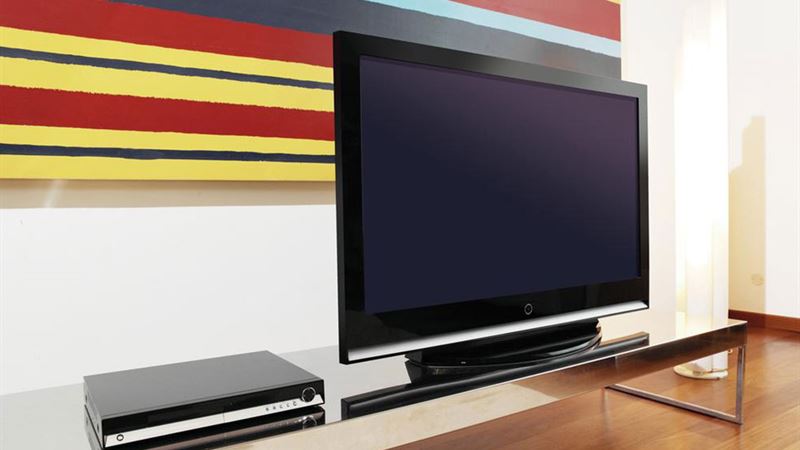
The LED industry continues to evolve rapidly, driven by ongoing technological advancements and increasing consumer demand for high-quality, energy-efficient display solutions. Leading brands such as Samsung have consistently pushed the boundaries of innovation, securing their position as market leaders through a combination of cutting-edge technology, strategic product development, and a deep understanding of consumer preferences. This article explores the latest trends in LED technology, Samsung’s pioneering role in the market, and what consumers can expect from future LED innovations in 2023 and beyond.
Over the past decade, LED technology has undergone transformative changes, making it the preferred choice for a wide range of applications, including television displays, monitors, signage, and general lighting. The advent of advanced manufacturing processes and research has enabled manufacturers to produce thinner, more flexible, and higher-resolution LED screens without compromising on quality. As a result, the LED market has experienced exponential growth, with a significant share attributed to innovative companies like Samsung, which consistently lead in patent development and technological breakthroughs.
One of the most notable trends in recent years has been the development of ultra-thin and curved LED displays. These designs not only enhance aesthetic appeal but also improve the immersive viewing experience. Samsung's curved LED televisions have garnered widespread acclaim, offering viewers a more engaging and panoramic visual experience. These screens are not only prominent for their sleek appearance but also for their superior performance, offering vibrant colors, deep contrast ratios, and enhanced refresh rates that cater to gaming, cinematic, and everyday viewing needs.
Samsung's dominance in the OLED market is well-documented. Historically, the company held a substantial share of the global OLED market, managing approximately 40%, with a predominant focus on smartphones and high-end electronic devices. In 2010, Samsung occupied roughly 98% of the worldwide AMOLED market, generating more than a quarter of its revenues from OLED-related products. Their commitment to innovation is reflected in their extensive patent portfolio, which encompasses numerous breakthroughs in OLED and LED technology. This strong intellectual property foundation highlights Samsung’s dedication to maintaining a competitive edge through continuous R&D investments and technology leadership.
Efforts by Samsung and other industry leaders have resulted in thinner, lighter, and more energy-efficient LED displays. These advancements are critical in meeting consumer demands for sleek design and durability, especially as screens become integrated into a wider array of devices. The latest LED innovations include HDR support, higher resolutions like 8K, and improved color accuracy, ensuring that consumers receive the best visual quality whether watching movies, gaming, or working professionals engaged in graphics-heavy tasks.
In the realm of television technology, Samsung has pioneered several revolutionary features. Their curved and flat LED TVs are equipped with quantum dot technology, which delivers rich color spectrum and brightness levels. This technology ensures that images pop with realism, providing an unmatched cinematic experience. Additionally, the integration of smart features, such as voice control and AI-driven personalization, has made Samsung TVs extremely user-friendly and adaptable to individual preferences.
Another critical aspect of Samsung's success is their approachability for mainstream consumers. Unlike premium brands targeting only high-income buyers, Samsung has prioritized affordability without compromising quality. This inclusive strategy has broadened their consumer base significantly, making their innovative LED products accessible to a wider audience. Whether in urban apartments or suburban homes, Samsung LED TVs have become a staple in modern households across the globe.
Looking ahead, the LED industry is poised for further breakthroughs. Emerging technologies such as microLED and transparent LED displays are expected to revolutionize visual presentation in the near future. MicroLED, in particular, offers brighter, thinner, and more durable displays with self-emissive pixels, eliminating the need for backlighting. These advancements will provide new opportunities for immersive entertainment, next-generation signage, and even wearable tech applications.
As the industry advances, key players like Samsung continue to invest heavily in R&D to stay at the forefront. Their focus on developing more sustainable, energy-efficient, and environmentally friendly manufacturing processes aligns with global sustainability initiatives. Moreover, the future of LED technology will likely include greater customization options, such as flexible screens that conform to various shapes and sizes, and smart integration with the Internet of Things (IoT), enabling seamless connectivity between devices and home automation systems.
In conclusion, the LED market in 2023 is characterized by rapid innovation, strategic leadership by major corporations such as Samsung, and expanding consumer adoption across various sectors. As new technologies emerge and manufacturing processes improve, consumers can expect increasingly sophisticated, beautiful, and versatile LED displays. Samsung’s continued focus on innovation and quality ensures it remains a dominant force shaping the future of LED technology, providing both industry insights and exciting possibilities for users worldwide.