
Understanding the Impact of Secondhand Tobacco Smoke on Health and Environment
Secondhand smoke remains a hidden threat with serious health implications, especially for children and vulnerable populations. It lingers in indoor environments, contaminates surfaces, and poses risks such as respiratory illnesses, heart disease, and cancer. Establishing strict no-smoking policies indoors is crucial to prevent exposure. Protect your loved ones and yourself by understanding the dangers and advocating for smoke-free spaces everywhere. This comprehensive guide explores the persistent nature of secondhand smoke, its health effects, and effective prevention strategies to create healthier environments for all.
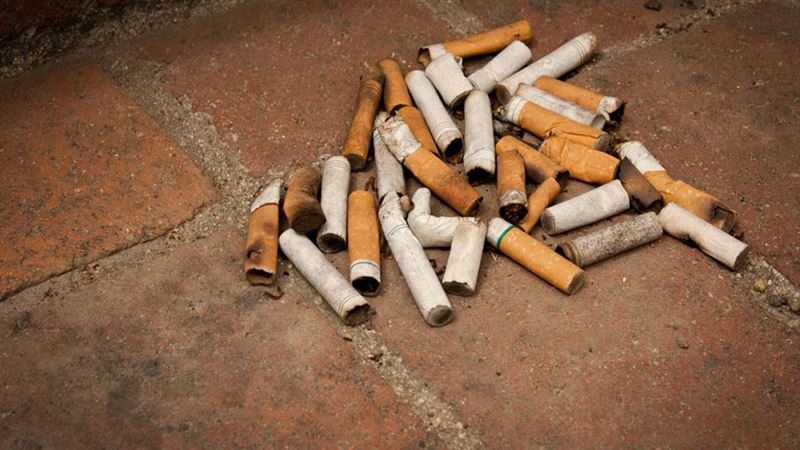
Secondhand smoke, also known as passive smoke, refers to the involuntary inhalation of smoke from tobacco products smoked by others. This exposure can occur in various environments such as homes, workplaces, or public spaces where smoking is permitted. Despite efforts to control indoor air quality, secondhand smoke persists in the environment, posing significant health risks. What's concerning is that secondhand smoke contains higher concentrations of certain toxic substances, such as nicotine and tar, than the smoke inhaled directly by smokers.
Many people underestimate the lingering presence of cigarette smoke. Even after the cigarette has been stubbed out, the toxins remain airborne or settle on surfaces for hours. This residual smoke can be difficult to eliminate solely through ventilation or air filtration, making it crucial to establish strict no-smoking policies indoors. Creating smoke-free environments is the most effective way to protect non-smokers from the hazards associated with secondhand tobacco exposure.
Secondhand smoke's impact extends beyond temporary exposure. The toxic chemicals linger in the environment, attaching to walls, furniture, fabrics, carpets, toys, and other surfaces within indoor spaces. These contaminated surfaces may then become sources of prolonged exposure for individuals who come into contact with them. This means that even if no one is actively smoking at a given moment, individuals in these environments continue to be at risk. This persistent presence of harmful substances underscores the importance of maintaining smoke-free areas, especially in places frequented by vulnerable populations.
Health Risks Linked to Secondhand Smoke
Secondhand smoke poses serious health risks, even with brief exposure. The negative effects are particularly severe for children, who breathe more rapidly than adults and have developing immune systems. Infants and young children exposed to secondhand smoke are at higher risk of respiratory illnesses such as bronchitis, pneumonia, and asthma. Moreover, their vulnerability to long-term health complications increases as they grow older.
Other particularly vulnerable groups include pregnant women, seniors, and individuals with pre-existing heart or respiratory conditions. Exposure to secondhand smoke can exacerbate existing health issues and contribute to the development of new conditions. Common immediate symptoms include irritation of the eyes, nose, and throat, along with headaches, coughing, and nausea. Over time, exposure can lead to more severe illnesses such as lung cancer, cardiovascular disease, and chronic respiratory diseases.
Research indicates that secondhand smoke can also impact reproductive health and fertility. Women exposed to tobacco smoke before menopause may experience an increased risk of breast cancer. In pregnant women, exposure can affect fetal development, leading to birth complications and long-term health issues for children. These findings highlight the critical need for comprehensive smoke-free policies to safeguard public health, especially among sensitive groups.