
Essential Insights on Early Detection and Management of Head and Neck Cancers
Early detection of head and neck cancers significantly improves treatment outcomes. Recognizing risk factors and symptoms like persistent sores, lumps, and breathing issues can lead to prompt diagnosis. Diagnostic procedures such as biopsies and imaging tests are essential for staging cancer, which guides effective treatment options including surgery, radiation, and targeted therapy. Regular follow-up is vital to monitor recovery and detect recurrence early. Maintaining a healthy lifestyle by avoiding smoking and alcohol reduces risks further. Stay vigilant for symptoms and seek medical advice promptly to improve prognosis and ensure better quality of life.
Head and neck cancers represent a significant health concern worldwide, often diagnosed at an advanced stage, which complicates treatment and reduces survival rates. Recognizing the risk factors, early warning signs, and diagnostic procedures plays a crucial role in timely intervention and improved outcomes. Factors such as lifestyle choices—smoking and alcohol consumption—greatly influence the likelihood of developing these cancers. Additionally, prolonged sun exposure, poor oral health, vitamin deficiencies, and infections like Human papillomavirus (HPV) are notable risks contributing to the disease's onset.
Understanding the symptoms associated with head and neck cancers is vital for early detection. Common indicators include persistent oral sores, unexplained lumps in the head or neck area, and abnormal patches inside the mouth—either red or white—that do not heal. Patients may experience ongoing sore throats, foul breath despite good oral hygiene, or nasal congestion that lingers. Unusual nasal discharge or nosebleeds, difficulty breathing, and vision disturbances can also signal underlying issues. Other symptoms include numbness in parts of the face or neck, pain while chewing or swallowing, altered jaw or tongue movement, and ear or jaw pain. Signs like bloody saliva, loose teeth, unexplained weight loss, and persistent fatigue should not be ignored.
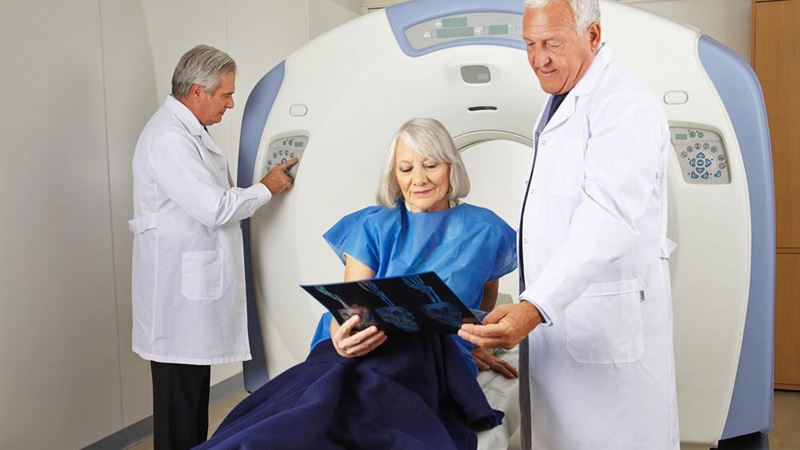
When these symptoms are observed, consulting a healthcare professional promptly is essential. The initial evaluation typically involves a thorough physical examination, alongside blood and urine tests to gather preliminary information. To confirm the diagnosis and assess the extent of disease, physicians may recommend additional diagnostic procedures such as HPV testing, endoscopies, various imaging modalities like X-rays, MRIs, CT scans, PET scans, or even biopsies. Each of these tests offers valuable insights into tumor size, location, and spread, enabling accurate staging of the disease.
Early diagnosis significantly enhances treatment success rates, and most head and neck cancers are curable when identified promptly. Treatment options depend on the stage and location but generally include surgery, radiation therapy, chemotherapy, or targeted therapies. Surgical removal involves excising the tumor and surrounding tissues to eliminate all cancerous cells. Radiation therapy uses high-energy beams to destroy cancer cells, often in combination with other modalities. Chemotherapy employs drugs to kill cancer cells and is sometimes used to shrink tumors before surgery or to eliminate residual disease after surgery. Targeted therapies focus on specific molecular targets associated with cancer growth, offering a more personalized approach.
Post-treatment, cancer recurrence remains a concern, underscoring the importance of regular follow-up appointments. Follow-up assessments usually involve blood tests and imaging scans to monitor for signs of recurrence or metastasis. Moreover, patients may experience long-term side effects such as gastroesophageal reflux, hypothyroidism, speech or swallowing difficulties, and cosmetic changes, all of which require ongoing management. Lifestyle modifications, including quitting smoking and limiting alcohol intake, can reduce the risk of recurrence and improve overall quality of life. Patient education and consistent medical oversight are fundamental aspects of comprehensive head and neck cancer care.
In summary, awareness of risk factors, early recognition of symptoms, and prompt medical evaluation are pivotal in managing head and neck cancers effectively. Advances in diagnostic technology and targeted therapies continually improve prognosis and survival rates. Individuals should seek professional consultation if they notice persistent signs or symptoms, aiming to catch the disease at an early, treatable stage. By staying informed and proactive, patients have a better chance of successful treatment and long-term health maintenance.