
Comprehensive Guide to Electronic Medical Records: What You Need to Know
This comprehensive guide explores electronic medical records (EMRs), detailing their benefits, practical applications, and future trends. Understand how EMRs enhance healthcare delivery through improved accuracy, better coordination, and secure data management. Learn tips for selecting the right system for your practice or personal use and discover how EMRs are shaping the future of healthcare with advanced technologies. Whether you are a healthcare professional or patient, this article provides valuable insights into the vital role of electronic medical records in modern medicine.
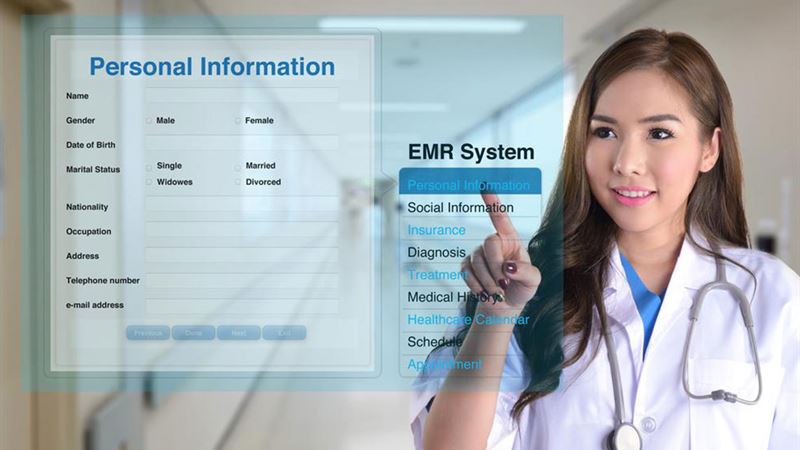
Electronic Medical Records (EMRs) have revolutionized the healthcare industry, providing a streamlined, efficient way to manage patient information electronically. This technology has numerous benefits, including improved accuracy, enhanced access to patient data, and better coordination among healthcare providers. Whether you are a healthcare professional, a patient, or a caregiver, understanding the ins and outs of EMRs can significantly impact your health management experience.
Understanding Electronic Medical Records
Electronic Medical Records refer to digital versions of patients' paper charts. These records store everything from basic demographic information to comprehensive medical histories, laboratory test results, imaging data, medication lists, allergies, vaccination records, and treatment notes. Unlike traditional paper records, EMRs are stored digitally, allowing for seamless updates, easy retrieval, and secure sharing among authorized healthcare providers.
EMRs are designed to replace cumbersome paper files, ensuring data accuracy, reducing errors, and improving overall efficiency in healthcare delivery. They are primarily used within a single healthcare practice or hospital. For broader sharing and access across different healthcare providers, Electronic Health Records (EHRs) come into play, providing a more comprehensive, interoperable system.
Benefits of Using Electronic Medical Records
- Improved Data Accuracy and Reduction in Errors: EMRs minimize errors associated with handwriting or manual entry. Automated alerts for potential drug interactions or allergies also enhance safety.
- Enhanced Accessibility and Convenience: Authorized healthcare providers can access patient data instantly from any location with internet connectivity, leading to faster diagnosis and treatment.
- Better Coordination of Care: Multiple providers involved in a patient's care can view and update medical information, ensuring everyone is on the same page.
- Streamlined Administrative Processes: Billing, appointment scheduling, and reporting become more efficient with integrated systems.
- Data Security and Privacy: Advanced encryption protects sensitive health information, conforming to strict legal standards like HIPAA.
Practical Applications of EMRs
- Tracking Health Metrics: With EMRs, healthcare providers can monitor vital signs, lab results, and other health indicators over time, facilitating better health management.
- Personalized Treatment Plans: Detailed and accurate records enable physicians to develop precise treatment strategies based on historical data.
- Allergy Management: If a patient has known allergies, EMRs help keep this information prominent, avoiding adverse reactions to medications or treatments.
- Setting Screening Schedules: EMRs can automatically set and remind patients of scheduled screenings such as mammograms, colonoscopies, and immunizations, ensuring timely preventive care.
- Family Health Records: Maintaining comprehensive health data for all family members in one system allows for better overall health management at home.
Choosing an EMR System
- Compatibility and Integration: Verify that the EMR system integrates with existing hospital or clinic management software.
- User-Friendliness: Opt for intuitive interfaces that facilitate ease of data entry and retrieval.
- Security Protocols: Ensure the system employs robust encryption and complies with privacy laws.
- Customizability: Select software that allows customization to suit specific practice needs.
- Support and Training: Adequate vendor support and comprehensive training programs are essential for successful implementation.
The Future of Electronic Medical Records
As technology advances, EMRs are increasingly integrating with other health IT systems such as wearable devices, telemedicine platforms, and AI-powered diagnostic tools. The move toward Interoperable EHRs supports sharing information across different healthcare providers and institutions, which leads to more coordinated and efficient care. Moreover, patient portals are becoming more common, empowering individuals to access their health data directly, schedule appointments, and communicate with providers securely.
In addition, the adoption of blockchain technology is being explored to further enhance data security and integrity. The continued evolution of EMRs promises a future where healthcare is more personalized, proactive, and efficient, ultimately leading to improved patient outcomes.
Implementing an electronic medical record system is a strategic decision that can greatly enhance the quality of healthcare services. It offers numerous advantages, from accurate data management to seamless communication among care providers. As the healthcare industry continues to embrace digital transformation, staying informed about the latest EMR trends and choosing the right system for your needs become crucial steps toward modern, patient-centered healthcare.