
Comprehensive Guide to Understanding and Managing Diabetes-Related Erectile Dysfunction
This comprehensive guide delves into the intricate relationship between diabetes and erectile dysfunction, exploring causes, symptoms, and effective management strategies. Emphasizing holistic approaches, the article offers vital insights for individuals seeking to improve their sexual health amidst diabetes. It highlights lifestyle modifications, medical treatments, and prevention techniques to help maintain healthy sexual function and overall wellness despite diabetic challenges.
Understanding the Relationship between Diabetes and Erectile Dysfunction
In men, the process of achieving an erection involves a complex interplay of vascular, neurological, and psychological factors. The blood vessels in the penis must dilate to allow increased blood flow, which is facilitated by the release of nitric oxide—a vital chemical that signals the arteries and smooth muscles within penile tissue to relax. Diabetes impairs this process primarily through damage to the endothelial lining of blood vessels and the nerves that regulate blood flow. Elevated blood sugar levels over prolonged periods lead to glycation of nerve fibers and vascular walls, reducing their flexibility and functionality.
Consequently, men with diabetes often experience a diminished sensation, reduced blood flow, and difficulty maintaining a rigid erection. This condition is often compounded by other diabetic complications like urinary infections, which can cause discomfort during intimacy. Furthermore, men suffering from diabetes may face issues such as decreased testosterone production due to hormonal imbalances induced by high blood sugar, further diminishing libido and sexual performance.
Women are not immune to these complications. Diabetes can cause vaginal dryness, a reduction in lubrication, and decreased sensitivity, resulting in painful or less satisfying sexual experiences. The vascular and nerve damage caused by prolonged high blood sugar levels impairs sexual function similarly to men, but specific symptoms may vary, including difficulty reaching orgasm and decreased arousal.
The Broader Impact of Diabetes on Sexual Health
Another critical factor linked to diabetes-induced ED is high cholesterol. Elevated cholesterol levels cause atherosclerosis, a condition characterized by plaque buildup in arteries, narrowing the vessels and obstructing blood flow. This process hampers the ability of blood vessels to dilate fully, thereby reducing penile blood filling necessary for erection. The cumulative effect of high cholesterol, hypertension, and heart disease further amplifies the risk of erectile dysfunction in diabetic individuals.
Additional lifestyle factors and medical interventions exacerbate or contribute to sexual dysfunction. Smoking and alcohol consumption are significant risk factors as they impair vascular health and nerve function. Psychological conditions such as stress, depression, and anxiety can aggravate ED symptoms, creating a negative feedback loop where mental health impacts sexual function and vice versa. Certain medications or surgical procedures, especially those involving the prostate, bladder, or bowel, may also influence erectile function.
Strategies for Managing and Treating Diabetes-Related Erectile Dysfunction
- Vacuum erection devices: Mechanical devices that induce blood flow into the penis by creating a vacuum.
- Intravascular injection therapy: Administering vasodilators directly into penile tissues to promote erection.
- Venous constriction devices: Bands that help maintain erection by preventing venous outflow.
- Intra-urethral therapy: Suppositories that deliver medication directly into the urethra.
- Penile prostheses: Surgical implants that provide permanent solutions for severe cases.
In addition to medical interventions, lifestyle changes play a pivotal role in the management of diabetic ED. Adopting a balanced diet rich in nutrients, especially vegetables high in vitamin C and zinc, can support vascular health and nerve regeneration. Regular physical activity improves blood circulation, helps regulate blood sugar levels, and boosts testosterone production. Maintaining optimal weight, quitting smoking, and limiting alcohol intake are essential strategies to reduce the risk and severity of erectile dysfunction.
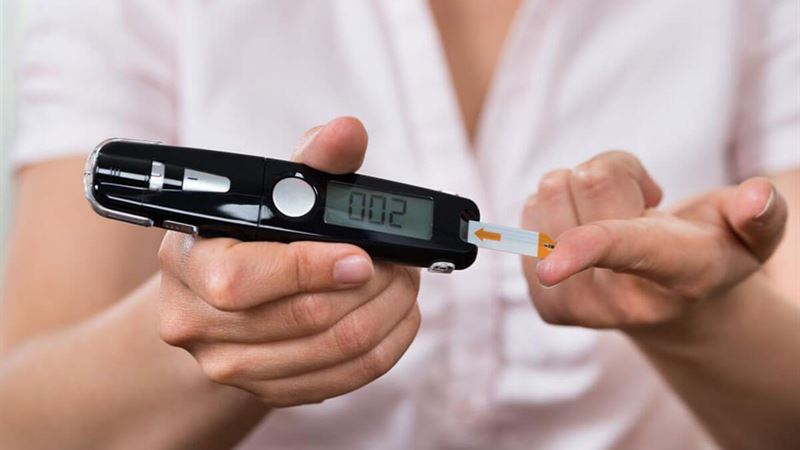
Monitoring blood glucose levels is vital in managing diabetes and preventing its complications. The glycemic control can be assessed through the hemoglobin A1C test, which reflects average blood sugar levels over the past two to three months. Keeping the A1C within target ranges reduces the risk of vascular and nerve damage, thereby potentially reversing or mitigating ED symptoms.
Psychological support and counseling should not be overlooked, as emotional well-being significantly influences sexual function. Addressing feelings of anxiety or depression related to diabetes can improve confidence and reduce performance anxiety, facilitating a better sexual experience.
The Path Forward: Prevention and Early Intervention
In conclusion, understanding the deep-seated connection between diabetes and erectile dysfunction is essential for effective management. By adopting a holistic approach involving medical treatment, lifestyle changes, and emotional support, individuals can maintain their sexual health and improve their overall well-being. Early intervention, diligent monitoring, and a healthy lifestyle are keys to overcoming and managing diabetes-induced sexual health challenges effectively.