
Comprehensive Guide to Bunion Corrections and Management Strategies
Explore comprehensive bunion treatment options, from conservative remedies like orthotics and home care to advanced surgical procedures. Learn how to manage this common foot deformity effectively to regain comfort and foot health. Discover when to seek medical help and how proper post-operative care can enhance recovery outcomes. This guide provides valuable insights into preventing, treating, and understanding bunions for better foot health and overall mobility.
Different Approaches to Bunion Treatment
Addressing bunions involves various treatment options, ranging from conservative measures to surgical interventions. The primary aim is to restore proper alignment of the big toe, alleviate pain, and prevent further deformity. The choice of treatment depends on the severity of the bunion, the patient's overall health, lifestyle, and personal preferences. Recognizing the options available helps patients make informed decisions about managing their condition effectively.
Surgical Options and Their Objectives
Surgical procedures for bunions focus on correcting deformity, repairing soft tissues, and restoring foot functionality. These procedures vary based on the extent of the deformity and may involve realigning bones, repairing ligaments and tendons, or removing bony prominences. Surgery is usually considered when conservative treatments fail and the bunion causes persistent pain or mobility issues. Understanding the different surgical methods can help patients prepare for their recovery journey and set realistic expectations.
Ligament and Tendon Reconstruction
Sometimes, the underlying cause of a bunion stems from imbalance or tightness in the ligaments or tendons surrounding the joint. Over time, this imbalance pulls the toe sideways, exacerbating the deformity. In such cases, surgical intervention involves loosening overly tight soft tissues, shortening or lengthening tendons, and adjusting ligaments to bring the toe back into proper alignment. This procedure aims to correct the soft tissue imbalance and stabilize the joint, reducing pain and preventing further progression.
Osteotomy: Bone Realignment Technique
Osteotomy is among the most common surgical procedures for bunions. It involves cutting and realigning the bones of the big toe to correct the deformity. The surgeon may remove a wedge of bone or make precise cuts to straighten the toe. Metal pins, screws, or plates are used to hold the bones in their new positions during healing. Osteotomy is often combined with ligament and tendon repairs to optimize outcomes, especially in more severe cases. This approach not only provides correction but also reduces inflamed tissues around the joint.
Arthrodesis: Fusion for Complex Cases
Applied mainly in patients with arthritis or those who have previously undergone unsuccessful bunion surgeries, arthrodesis involves fusing the affected joint. The damaged cartilage is removed, and the bones are fixed with metal hardware to promote fusion. This definitive treatment alleviates pain caused by arthritis and deformity, offering stability and improved foot function. Although it results in a stiff joint, it is highly effective for severe, stubborn cases requiring a permanent solution.
Exostectomy: Removing the Bony Bump
Exostectomy focuses solely on removing the bony protrusion that forms the bunion. It is often performed with other procedures like osteotomy or ligament repair for comprehensive correction. The goal is to eliminate the protrusion and provide relief from irritation or pain caused by the bunion. Recovery may be quicker, but since it addresses only the bony bump, it might not fully correct the deformity if soft tissue issues persist.
Resection Arthroplasty: Joint Removal Technique
This surgical method involves removing part of the damaged joint bone, creating a gap between the bones. The remaining bones are realigned to reduce deformity and relieve pain. Resection arthroplasty often results in a shortened big toe and a less stable joint, which may affect the push-off phase during walking. It is typically reserved for elderly patients with severe arthritis and prior unsuccessful surgeries, aiming to improve comfort even if it compromises some joint function.
Postoperative Healing and Care
Proper postoperative care is critical for successful healing after bunion surgery. This includes meticulous dressing changes, prescribed medications to control pain and prevent infection, and restrictions on weight-bearing activities. Patients are often advised to keep their foot elevated and use mobility aids if necessary. Braces or casts may be applied to immobilize the foot during the initial healing phase. Following removal of immobilization devices, patients usually engage in physical therapy to restore foot strength and flexibility. Footwear choices are vital—specialized shoes or orthotic inserts should be worn until full recovery to prevent relapsing or compromising the correction.
Orthotic Devices as a Non-Surgical Option
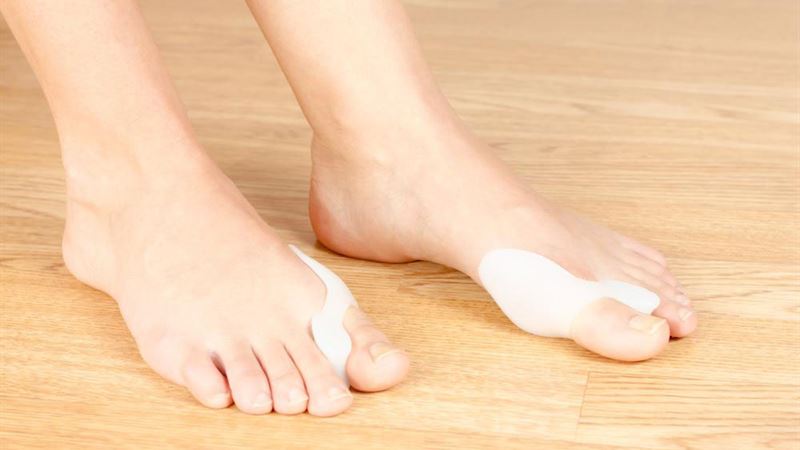
For those hesitant about surgery, orthotics provide an effective way to support the foot and slow down the progression of bunions. These include custom or over-the-counter bunion pads, regulators, splints, and gel toe separators. While orthotics can alleviate discomfort and prevent the worsening of deformities, they do not reverse existing bunions. Regular use can improve foot biomechanics and reduce strain on the big toe joint, making them a popular initial approach or adjunct to other treatments.
Home Remedies and Self-Care Strategies
Many individuals turn to home remedies to manage bunion pain, even though they lack extensive scientific backing. Common practices include applying ice packs to reduce swelling, soaking feet in Epsom salt solutions, and using traditional remedies like turmeric packs. Gentle foot massages and targeted exercises help maintain joint flexibility and reduce stiffness. Drinking herbal teas such as chamomile may provide soothing benefits. Some also suggest that wearing wider, supportive shoes or using cushioned insoles can decrease discomfort. It's important to note that while these measures can relieve symptoms temporarily, they do not correct deformity or halt disease progression.
Regular monitoring and consultation with healthcare professionals are recommended for persistent or worsening symptoms. Preventative care, including choosing footwear that does not compress or strain the toes, is vital in reducing onset risk, especially for those genetically predisposed or with prior foot issues.
Overall, bunion management involves a multidisciplinary approach, combining surgical, nonsurgical, and home care options tailored to the individual’s needs. Early intervention and proper foot care can significantly improve quality of life, reduce pain, and prevent more invasive solutions in the future. Awareness of available treatments and proactive foot health practices are essential for anyone affected by bunions.