
Essential Tips for Selecting the Perfect Guitar for Your Needs
Choosing the perfect guitar requires careful consideration of comfort, sound quality, purpose, and aesthetic preferences. This comprehensive guide helps aspiring and seasoned musicians alike to make an informed decision, ensuring a satisfying and inspiring playing experience tailored to their unique needs and musical ambitions.
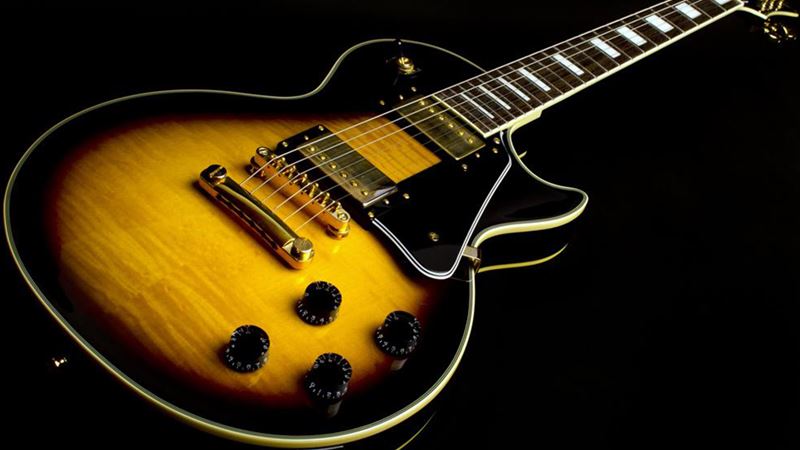
Embarking on the journey to acquire a guitar is an exciting step for both newcomers and seasoned musicians alike. Whether you're rekindling a childhood passion or stepping into the world of music professionally, choosing the right guitar is crucial for your musical growth and enjoyment. With countless options available, ranging from various styles, sizes, and price points, it's vital to understand what factors to consider to make an informed decision that aligns with your musical ambitions and personal preferences.
Many aspiring guitarists are inspired by their favorite artists who captivate audiences with their exceptional guitar work. Observing these musicians often sparks a desire to emulate their style and sound. However, replicating an artist's gear may not always suit your individual needs. Instead, focusing on selecting a guitar that complements your physical comfort, musical goals, and aesthetic preferences will ensure a more rewarding playing experience.
When beginning your search, it's helpful to define the primary purpose of the guitar. Are you looking to play acoustic melodies, dive into electric-driven rock riffs, or explore versatile genres? Establishing this purpose will narrow your options significantly. For instance, if electric guitar is your target, consider the different types such as solid-body, semi-hollow, or hollow-body guitars, each offering distinctive tonal qualities suitable for various styles.
Comfort is paramount, especially for beginners. Ensure the guitar's size and weight feel manageable to avoid strain during practice. The neck should fit comfortably in your hand, enabling smooth chord transitions and easy access to higher frets. Different models have varying neck profiles—some are slim and fast, others are chunkier—so try out several to find the most comfortable fit.
Sound quality is another critical factor. A good guitar should produce clear, resonant tones that inspire you to play more. Assess the instrument's pickups, which influence the sound output; single-coils tend to produce bright, crisp tones, while humbuckers give a thicker, warmer sound. If possible, plug the guitar into an amp to evaluate its tonal response and sustain.
For experienced players, additional considerations come into play. Before making the purchase, scrutinize the guitar’s craftsmanship—check for fret buzz, proper intonation, and overall build quality. The bridge, tuning pegs, and pickups should be stable and well-installed. Upgrading parts later can be costly, so investing in a quality instrument initially often pays off in the long run.
Budget is always a factor. While high-end guitars offer premium sound and craftsmanship, there are excellent entry-level options that provide good value. Decide how much you're willing to invest and explore options within that range. Remember, the most expensive guitar isn't necessarily the best choice for every player; comfort and sound are far more important.
Another aspect to consider is the guitar's aesthetic appeal. An instrument that visually excites you will motivate you to practice regularly. From stunning finishes to unique designs, the visual element can inspire greater creativity and personal connection to your instrument.
Additionally, consider the future prospects of your musical journey. If you plan to perform live or record professionally, investing in a reliable and versatile instrument becomes paramount. Features such as adjustable tone controls, quality hardware, and compatibility with various accessories will serve you well as your skills develop.
In conclusion, selecting the right guitar involves a blend of practical considerations and personal preferences. Always test the instrument physically, pay attention to comfort, sound quality, and craftsmanship, and ensure it aligns with your musical goals. Taking the time to research and try different models will lead you to a guitar that not only fulfills your current needs but also supports your growth as a musician. Happy playing!