
Comprehensive Guide to Customizing Your Perfect Murphy Bed: Essential Factors to Consider
Designing a custom Murphy bed involves several critical considerations. From setting a realistic budget and choosing the right style to precise measurements and material selection, each step ensures the final product perfectly fits your space and aesthetic. Collaborating with skilled professionals and selecting quality materials enhance durability and visual appeal. This comprehensive guide helps homeowners create functional, stylish Murphy beds tailored to their unique needs, maximizing space without compromising on comfort or design. Perfect for compact living, guest rooms, or multi-purpose spaces, customization makes your Murphy bed a centerpiece of elegance and utility.
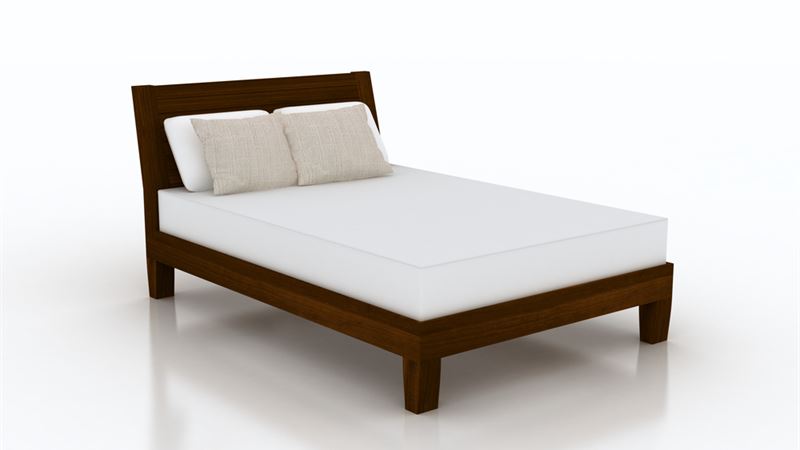
Creating a personalized Murphy bed requires careful planning and attention to detail. Whether you're upgrading a guest room, optimizing a small apartment, or seeking a stylish space-saving solution, customization can transform your space. Here is a detailed walkthrough of everything you need to keep in mind when designing your bespoke Murphy bed.
- Establishing Your Budget
The initial step in customizing a Murphy bed is defining a clear budget. Prices for custom Murphy beds vary immensely, typically ranging from approximately $650 to over $10,000. The cost depends on various factors, including the size of the bed, the quality of materials employed, the complexity of the cabinetry design, and the type of mechanisms used. Setting a budget helps you make informed decisions, allowing you to select suitable materials and features without overspending. It also provides a framework to communicate your expectations with designers or craftsmen, ensuring that the project stays within financial limits.
- Choosing the Style That Fits Your Space
Murphy beds come in a wide array of styles, from minimalistic modern designs to more traditional, ornate units. Your choice should harmonize with the existing decor and theme of the room. Some Murphy beds feature simple, sleek cabinet designs for a streamlined appearance, while others incorporate multifaceted functionalities such as foldable desks, integrated sofas, or media centers. Modern electronic mechanisms are also available, allowing automated operation at the push of a button, providing seamless transforming experiences.
When selecting a style, consider whether you prefer a fully concealed unit or an open-front design that showcases decorative cabinetry. Combining traditional craftsmanship with modern technology results in a versatile and stylish piece tailored to your preferences.
- Matching the Decor and Room Aesthetics
Since a Murphy bed often becomes the focal point of the room, its design and finish should complement the overall decor. Whether your interior style is contemporary, rustic, coastal, or classic, choose colors, materials, and finishes that enhance your existing furnishings. Think about how the Murphy bed will look during daytime and nighttime. For example, a neutral-toned cabinet can blend seamlessly into minimalist settings, while a bold-colored or patterned design can serve as a statement piece in eclectic interiors.
Additionally, consider the occupants' preferences and the room’s primary use—whether it will serve as a guest bedroom, a home office, or a recreational space. This insight helps in selecting a design that is both functional and aesthetically aligned.
- Accurate Measurements for a Perfect Fit
Precise measurement of the designated space is crucial for a successful Murphy bed installation. Measure the height from the floor to the ceiling to determine the maximum vertical clearance. Next, measure the width and depth of the space where the bed will be installed, accounting for any obstructions like electrical outlets or trim moldings. Don't forget to measure the available floor area to ensure the bed will fit comfortably without blocking pathways or other furniture.
It's advisable to take multiple measurements and double-check them or involve a professional for accuracy. This step guarantees that your custom Murphy bed fits perfectly, maximizing comfort and functionality.
- Selecting the Mattress Size and Comfort
A significant aspect of a Murphy bed is choosing an appropriate mattress size. While a king-size mattress offers luxury and maximum comfort, it also demands a larger room with ample space. Alternatively, queen and twin sizes are suitable for smaller rooms or shared spaces.
When selecting the mattress, consider thickness and material to ensure smooth operation of the folding mechanism. Leave sufficient clearance and walking space around the bed to allow easy access during sleep and use. For children’s rooms or guest spaces, twins or bunk-style Murphy beds make efficient use of space and can be tailored for individual needs.
Remember, a good night's sleep starts with a quality mattress, so prioritize comfort alongside design considerations.
- Cabinetry and Finishes
The cabinetry design dictates the aesthetic and durability of your Murphy bed. Choose a style that balances visual appeal with practical storage needs. Options include open shelving for easy access or closed cabinets with doors for a sleek look.
The finish should match your room decor and withstand daily use. Finish options range from natural wood stains to painted surfaces. Select hardware such as handles and hinges that complement the overall design.
Consider additional features like integrated lighting, soft-close hinges, or hidden storage compartments to enhance both functionality and appearance.
- Materials for Construction
Quality materials determine the durability and visual impact of your Murphy bed. The most popular choices include various wood types and composite materials:- Maple: Known for its strength and fine grain, suitable for high-end finishes.
- Cherry: Tough and with a rich hue, perfect for classic or elegant styles.
- Oak: Durable and versatile with a prominent grain pattern.
- Medium Density Fiberboard (MDF): Cost-effective and smooth, ideal for painted finishes.
- Salvaged or reclaimed wood: Eco-friendly and rustic, adding character.
- Pine: Light, affordable, and easy to work with for casual designs.
Your choice of materials should align with your aesthetic preferences, budget, and the environment where the Murphy bed will be installed.
- Hiring a Craftsman or Designer
Working with a skilled professional ensures the seamless creation of your custom Murphy bed. Look for experienced carpenters or furniture designers who specialize in space-saving furniture. Review their portfolios and seek references to confirm their expertise.
Communicate your vision clearly, sharing your preferred styles, materials, and additional features. Ask if they can customize existing designs or incorporate ideas from various sources to craft a unique piece tailored to your space.
Request detailed drawings or 3D renderings before manufacturing begins to visualize the final product. This step helps prevent misunderstandings and ensures your expectations are met.
Investing in a reputable professional guarantees a high-quality, functional, and attractive Murphy bed that will serve your needs for years to come.