
Essential Factors to Evaluate When Selecting Blenders and Their Components
Discover comprehensive insights into selecting the perfect blender and parts to meet your culinary needs. Learn about blade materials, power specifications, design considerations, and extra features to make informed purchase decisions. This guide helps you choose versatile, durable blenders for home and commercial use, ensuring optimal performance and value for money.
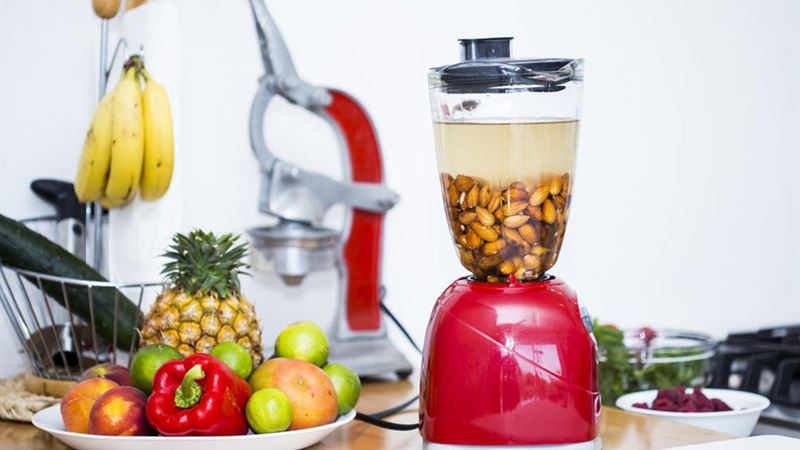
- Understanding Your Needs Before Choosing a Blender
Choosing the right blender begins with a clear assessment of your specific blending requirements. Whether you're preparing smoothies, crushing ice, or pureeing vegetables, selecting a blender with the appropriate capacity and features is crucial. Consider how often you will use your blender and for what purposes, as this influences the size and power of the unit you should invest in. For instance, if you frequently blend large quantities or tough ingredients, opting for a high-capacity and high-power blender will ensure efficiency and durability.
- Considerations for Blender Blades and Materials
One of the most important components of any blender is its blades. These are responsible for chopping, grinding, and blending food, and their quality directly impacts performance. Most high-quality blades are made from stainless steel, offering a robust and corrosion-resistant material suitable for handling a variety of ingredients. When selecting blades, ensure they are sufficiently sharp, strong, and big enough to handle the pressure exerted during operation. The design and construction of the blades determine how well the blender can process different textures, from soft fruits to hard nuts and ice cubes.
- Additional Features and Functionality
Beyond basic blending, many modern blenders come equipped with extra features that enhance user experience. Look for options like multiple speed settings, pre-programmed blending modes, and pulse functions, which allow for precise control over blending consistency. Some advanced models offer specialized attachments or parts that enable grinding, chopping, and mixing, providing multifunctionality within a single appliance. These features are particularly useful for users who want versatility without purchasing multiple devices.
- Design and Build of the Blender Base
The base of the blender plays a significant role in its overall stability and functionality. Materials used for the base vary from durable plastics to high-grade metals, influencing the unit’s weight and longevity. Modern blenders often feature sleek, ergonomic designs with intuitive controls, including LED displays and touch panels. A well-designed base ensures seamless operation and easier cleaning. When selecting a blender, consider the stability during operation, especially if you frequently blend dense ingredients or large quantities.
- Power Range and Performance Capabilities
The power output of a blender is a critical factor affecting its performance. Power is measured in watts, with common ranges spanning from 350W to 1500W or more in commercial models. For most household needs, a blender with around 500W to 700W provides a good balance of performance and energy efficiency. High-power blenders excel at processing tough ingredients quickly and smoothly, reducing blending time and ensuring a consistent result. When choosing a blender, match the power rating to your specific needs—more powerful models are better suited for demanding tasks like crushing ice or blending thick smoothies.
In conclusion, selecting the right blender requires careful consideration of multiple factors—from capacity and blade quality to extra features and power. Understanding these elements ensures you purchase an appliance that not only meets your current needs but also offers durability and versatility in the long run. Invest time in evaluating your requirements and choosing a model that fits your lifestyle and culinary aspirations for optimal satisfaction and performance.