
Comprehensive Guide to the Top Three Types of Faucets for Modern Homes
Discover the ultimate guide to the three most popular faucet types—single-handle, two-handle, and touchless models—exploring their advantages, installation tips, and ideal uses. Make informed choices for your home or business with our comprehensive review, ensuring you select the right fixture for style, functionality, and convenience.
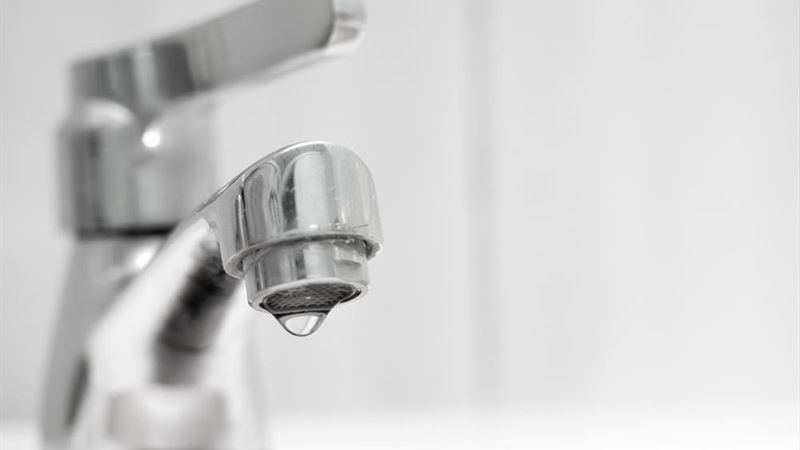
Single-Handle Faucets: Simplicity and Space-Saving Design
One of the most favored faucet types among homeowners for their fuss-free design and ease of installation are single-handle faucets. These fixtures incorporate a single lever that controls both the water temperature and flow rate, offering users a straightforward and intuitive experience. The compact design of single-handle faucets makes them ideal for bathrooms and kitchens where space efficiency is a priority. Their minimalist appearance often complements modern interiors, creating a sleek and streamlined look.
The primary advantage of single-handle faucets is their ease of use; with only one handle, adjusting water temperature and pressure becomes quick and effortless. This feature is particularly beneficial in busy kitchens or bathrooms where convenience is key. Additionally, their simplified installation process means they can be set up more quickly than their multi-handle counterparts, saving time and labor costs during renovation or construction.
However, there are some limitations to consider. Single-handle faucets may not offer as precise temperature control as two-handle models because adjusting water temperature involves moving one lever through a combined range, which can sometimes result in slight fluctuations. Moreover, users accustomed to fine-tuning hot and cold water separately might find single-handle fixtures less precise for their needs.
Two-Handle Faucets: Classic Design with Precise Temperature Control
Two-handle faucets have long been a staple in bathrooms and kitchens, known for their traditional aesthetic and functional benefits. This type features two separate handles—one designated for hot water and the other for cold—allowing users to finely tune the water temperature. The handles may be integrated into a common base or mounted independently, depending on the design.
One of the main advantages of two-handle faucets is their superior control over temperature and flow. Users can adjust each handle independently, achieving the exact mixture of hot and cold water they desire. This feature is especially useful in settings where precise temperature control is essential, such as in medical or laboratory environments, or for individuals who prefer customized water settings.
Installation of two-handle faucets, however, can be more complex and demanding compared to single-handle models. The process often involves precise fitting and alignment, which might require professional installation. Additionally, because both handles need to be operated manually, adjustments involve using both hands, which might be less convenient during busy routines.
Touchless or Hands-Free Faucets: Embracing Modern Technology for Convenience
In recent years, touchless or hands-free faucets have gained popularity due to their hygienic and convenience features. Equipped with sensor technology, these faucets activate automatically when they detect motion, eliminating the need for physical contact. Users can enjoy a sanitary experience, reducing the spread of germs, especially crucial in public restrooms, hospitals, and busy households.
The most advanced hands-free faucets include activators placed on the front of the fixture for easy accessibility. When activated, the sensor detects your hands' movement and turns the water on; when your hands are removed, the water stops automatically. Many models also allow switching to manual operation by sliding a panel or pressing a button, providing flexibility.
The key benefit of hands-free faucets is the high level of convenience they offer. They are particularly useful in situations where hands are full, dirty, or occupied—such as cooking, gardening, or cleaning—making handwashing more accessible and efficient. Additionally, these faucets contribute to water conservation by preventing unnecessary flow, as the water only runs when needed.
Nevertheless, some designs can be less user-friendly. Sensors located at challenging angles or positions can make activation difficult, especially when your hands are in an awkward position or when the fixture is installed in tight spaces. Proper selection and placement are vital to ensure maximum usability and performance of a touchless faucet.
Factors to Consider When Choosing a Faucet
- Space and Design Preferences: Modern, minimalist, or traditional styles.
- Ease of Installation: DIY-friendly or professional installation required.
- Control Precision: Need for exact temperature and flow adjustments.
- Hygiene and Convenience: Preference for touchless or manual operation.
- Budget Constraints: Cost differences among various types and features.
Conclusion
Selecting the perfect faucet depends heavily on your specific needs, aesthetic preferences, and budget. Single-handle faucets offer simplicity and space efficiency, making them ideal for contemporary interiors. Two-handle models provide refined control and a classic look, suitable for traditional designs and settings requiring precise temperature adjustments. Hands-free faucets bring innovative technology into the mix, emphasizing hygiene and convenience, perfect for modern households and public spaces.
By understanding the distinct features and benefits of each type, you can make an informed choice that enhances your daily routines and elevates your interior decor. Proper selection ensures improved usability, water efficiency, and aesthetic harmony within your home or commercial space.