
Historical Development and Evolution of the United States Stock Market
Explore the comprehensive history of the U.S. stock market, from its humble beginnings in 1792 to its position today as a global financial giant. Discover key events, including the Buttonwood Agreement, the rise of Wall Street, major crises like the 1929 crash, and the development of major institutions like the SEC and NASDAQ. This detailed overview highlights the growth, challenges, and innovations that have shaped America's financial landscape over more than two centuries, providing invaluable insights into one of the world's most dynamic markets.
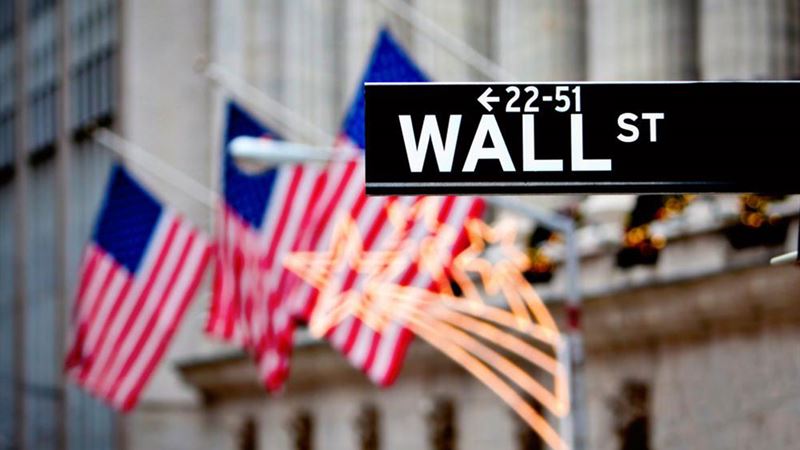
- May 17, 1792: The foundation of the American stock market was laid when a group of 24 stockbrokers signed the 'Buttonwood Agreement' beneath a sycamore tree at 68 Wall Street in New York City. This pact outlined the rules for securities trading, including fees and exclusivity among members, marking the beginning of what would eventually become the New York Stock Exchange (NYSE). This pivotal event set the stage for the growth of organized securities trading in the United States.
The early days: The first formal stock exchange in America was established in Philadelphia in 1790, serving as the starting point for organized securities trading in the nation. By 1817, as New York City’s merchants observed declining activity at their local exchange, they sent a representative to observe Philadelphia’s thriving marketplace. Recognizing the need for a more robust trading hub, they officially founded the New York Stock and Exchange Board on March 8, 1817, located at 40 Wall Street.
The 20th century: Wall Street experienced remarkable growth in the early 1900s, with unprecedented fortunes made by investors. However, the era was also fraught with financial crises. The 1907 Panic was one of the earliest, involving the rapid liquidation of approximately $800 million in securities, leading to a severe stock market decline, the collapse of the Knickerbocker Trust Company, and the intervention of banking magnate J.P. Morgan to stabilize the system.
The most infamous event, Black Tuesday on October 29, 1929, led to the stock market crash that triggered the Great Depression. Stock prices had soared over 400% in just five years before the crash, which erased billions in wealth. The Dow Jones Industrial Average plunged 49 points, and the market's turmoil led to widespread panic, with some investors resorting to drastic measures such as suicide. This financial disaster prompted major reforms, including the creation of the Securities and Exchange Commission (SEC) in 1934 to oversee the markets and restore investor confidence.
The launch of NASDAQ in 1971 introduced electronic trading, revolutionizing securities markets and increasing accessibility for a broader range of investors. Over time, these institutions and reforms dramatically transformed the U.S. stock market’s landscape.
Today, the NYSE remains the largest and most influential stock exchange globally. With a market capitalization exceeding that of NASDAQ, London, and Tokyo combined, it continues to serve as the centerpiece of the world's financial markets, facilitating trillions of dollars in daily transactions. The evolution from a modest gathering beneath a tree to a global financial powerhouse exemplifies the resilience and innovation of the U.S. capital markets.