
Nintendo GameCube: A Groundbreaking Console That Redefined Gaming Experience
The Nintendo GameCube revolutionized gaming with its innovative disc-based design, online capabilities, and exclusive games. Despite facing tough competition, it sold over 22 million units and remains a beloved classic. Its influence on gaming trends and console design is still felt today, making it a key milestone in Nintendo's history and the evolution of home entertainment systems.
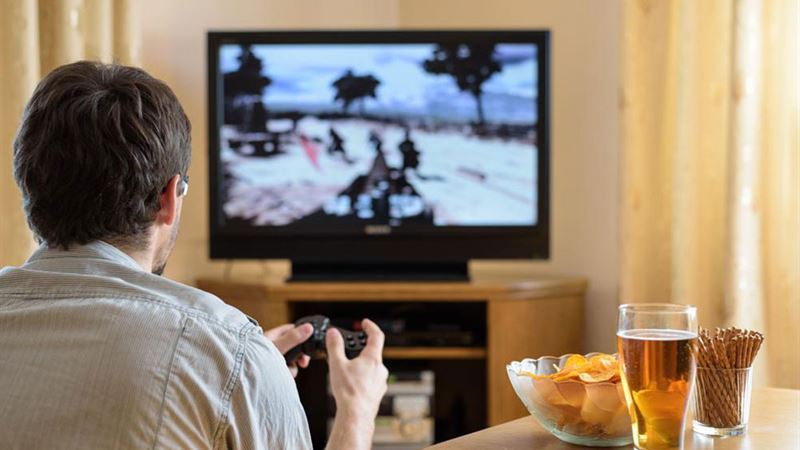
The Nintendo GameCube stands out as one of the most iconic and influential gaming consoles developed by Nintendo, a renowned Japanese entertainment giant. This console marked a significant milestone in the evolution of home entertainment systems, introducing numerous innovative features that set it apart from its competitors. Over the years, Nintendo has built a reputation for creating consoles that blend innovative technology with engaging gameplay, and the GameCube is no exception. It encapsulated Nintendo's commitment to pushing the boundaries of gaming technology while maintaining a focus on user experience and game quality.
Background and Release Timeline
The Nintendo GameCube was officially launched in Japan in 2001, marking Nintendo's entry into the sixth generation of gaming consoles. Its release in North America followed shortly afterward, debuting in November 2001. The European and Australian markets received the console in 2002, aided by the global popularity of Nintendo's previous successful systems. The console was positioned as a direct competitor to Sony's PlayStation 2 and Microsoft's Xbox, aiming to carve out its own niche through innovative design and exclusive gaming titles.
The GameCube's innovative approach was evident from its architecture and physical design. It was Nintendo's first home console to utilize optical discs as the primary medium for game storage. The discs resembled mini DVDs, enabling a compact, sleek design that distinguished it from the larger, more traditional cartridges used by previous Nintendo systems. Despite its modern disc-based gameplay, the GameCube was incompatible with standard CDs and DVDs, focusing solely on the gaming medium. This specificity allowed Nintendo to optimize performance and design, ensuring a dedicated gaming experience.
The console also introduced online capabilities, supporting broadband connections through an optional adapter, thereby facilitating online multiplayer gaming—a feature that was relatively advanced for consoles at the time. Players could also use a secondary device, such as a handheld controller, which could function as a second screen or remote control, enhancing gameplay versatility.
The design aesthetic of the GameCube was minimalist and functional. While it received ample praise for its innovative features and game library, some critics pointed out that its exterior lacked the intricate or eye-catching aesthetics seen in competitors’ consoles. Nonetheless, the compact size and ergonomic controllers contributed to its widespread appeal.
Regarding hardware performance, the GameCube featured a custom IBM PowerPC CPU, a ATI graphics processing unit, and 24MB of RAM, providing solid performance for its era. Its graphical capabilities enabled vibrant visuals that enhanced the gaming experience, particularly with exclusive titles such as "The Legend of Zelda: The Wind Waker," "Super Smash Bros. Melee," and "Metroid Prime."
In terms of market success, Nintendo managed to sell approximately 22 million units worldwide—a commendable figure considering the fierce competition. The console’s robust game library, featuring both first-party titles and third-party support, contributed significantly to its popularity. Additionally, Nintendo’s strategic positioning of affordable pricing and a diverse lineup of gaming options, including consoles like GameBoy and GameBoy Advance, helped solidify its market presence during this period.
The GameCube also played a vital role in shaping gaming trends, especially in terms of multiplayer gaming, family entertainment, and introducing players to innovative control schemes. Its legacy extends beyond its commercial success, influencing future Nintendo hardware and game development strategies. Despite its relatively short lifespan, the GameCube remains a beloved classic, remembered for its unique design, excellent game titles, and its contribution to the evolution of home gaming consoles.
In conclusion, Nintendo’s GameCube is a testament to the company’s inventive spirit and dedication to quality gaming. It redefined what a home console could be in its era, balancing innovative hardware features with a strong library of memorable games. Its influence persists even today, and it continues to be celebrated by gamers and collectors worldwide as a pillar of gaming history and innovation.