
The Progressive Transformation of Remodeling and Renovation in Construction
This comprehensive article explores the transformative journey of remodeling and renovation, highlighting historical milestones, technological advancements, and modern industry practices. It delves into the evolution from grand palace refurbishments to accessible, high-tech home upgrades, emphasizing how innovation has revolutionized the industry. Discover how remodeling has become a vital part of sustainable, aesthetic, and functional architecture today, driven by scientific progress, creative design, and evolving consumer needs. The article provides insights into how remodeling is shaping our built environment for a better future.
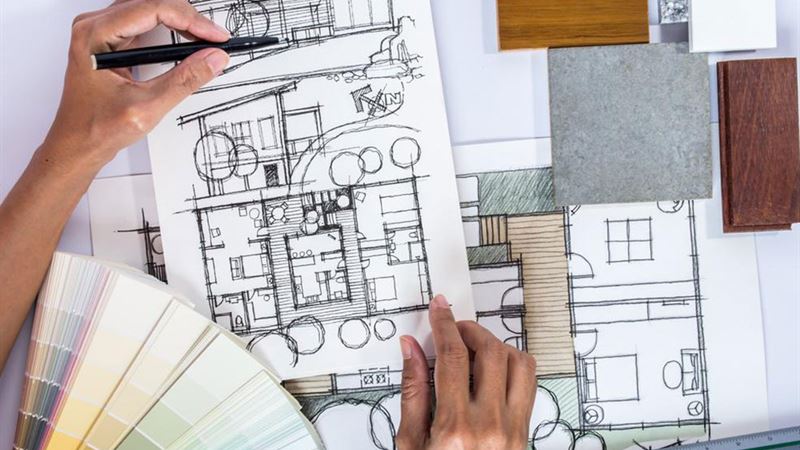
Understanding the Fundamentals of Remodeling and Renovation
Remodeling and renovation are terms often used interchangeably, but they encompass distinct concepts within the building and construction industry. At its core, renovation refers to the process of restoring or improving existing structures that may have suffered damage or deterioration over time. This process involves upgrading materials, updating fixtures, and refurbishing spaces to extend the lifespan and functionality of a building. Renovation can range from minor cosmetic updates to major overhauls that change the entire character of a space.
In contrast, remodeling typically entails altering the layout or structural elements of a building to create a new purpose or aesthetic. This may involve removing walls, expanding spaces, or adding new sections to an existing structure. Historically, remodeling projects were mostly undertaken on grand scales by wealthy patrons and corporations with substantial budgets, making it a domain for major investors rather than the general populace.
Over time, the scope of remodeling expanded, encompassing everything from rejuvenating old homes to transforming commercial spaces. For architects and designers, these projects allowed creative expression and functional innovation, often requiring sophisticated planning and execution. Today, both renovation and remodeling serve essential roles in extending the life, utility, and beauty of structures, whether they are historical landmarks or modern residences.
The Evolution of Modern Remodeling Practices
The concept of remodeling has evolved tremendously from its origins. In earlier days, notable buildings like the White House and royal palaces frequently underwent extensive remodeling efforts, often to preserve their grandeur or adapt to new political or aesthetic standards. These large-scale projects set the precedent for contemporary renovation practices.
Today, the scope has broadened significantly. It is common for homeowners and business owners to invest in remodeling their personal living spaces and work environments. This shift is largely driven by societal changes, increased awareness of design trends, and the desire for personalized and functional spaces. During the late 20th century, particularly following the industrial revolution, there was a surge in the desire for modernization—people wanted to update their homes and offices with the latest technology, materials, and designs.
Initially, options for remodeling were limited; costly, time-consuming, or technically challenging processes made many prefer new construction over renovation. However, advancements in science, engineering, and construction technology gradually made remodeling more accessible, efficient, and economically feasible. The increased availability of innovative materials, tools, and methods has empowered more individuals and companies to undertake remodeling projects with confidence.
Moreover, the rise of specialized companies and collaborative efforts between designers, engineers, and contractors transformed remodeling into an art form and an industry of its own. These developments heralded a new era where remodeling was no longer viewed as an option only for the wealthy but as an achievable and sustainable way to enhance existing structures. Modern remodeling now focuses not just on aesthetics but also on energy efficiency, environmental sustainability, and smart home integration, reflecting evolving societal priorities.
Furthermore, technological innovations such as 3D modeling, virtual reality, and Building Information Modeling (BIM) have revolutionized planning and execution, allowing clients and designers to visualize projects before physical work begins. These tools help optimize space utilization, reduce errors, and streamline project management. Consequently, remodeling has become a highly sophisticated industry, capable of delivering highly customized, sustainable, and innovative solutions to clients across various sectors.
From historic preservation to cutting-edge smart home upgrades, the modern remodeling industry encompasses a broad spectrum of services tailored to meet diverse needs. It is an industry that continues to grow, driven by technological advances, changing lifestyles, and the increasing importance placed on the quality of living and working environments.