
Comprehensive Overview of Sleep Disorders: Symptoms, Types, and Effective Treatments
This comprehensive article delves into the symptoms, classifications, and treatment options for sleep disorders. It emphasizes the importance of early diagnosis, lifestyle adjustments, and medical interventions to improve sleep quality. Explore insights into insomnia, sleep apnea, narcolepsy, and restless leg syndrome, along with modern therapies like light therapy and chronotherapy that can help manage chronic sleep issues effectively.
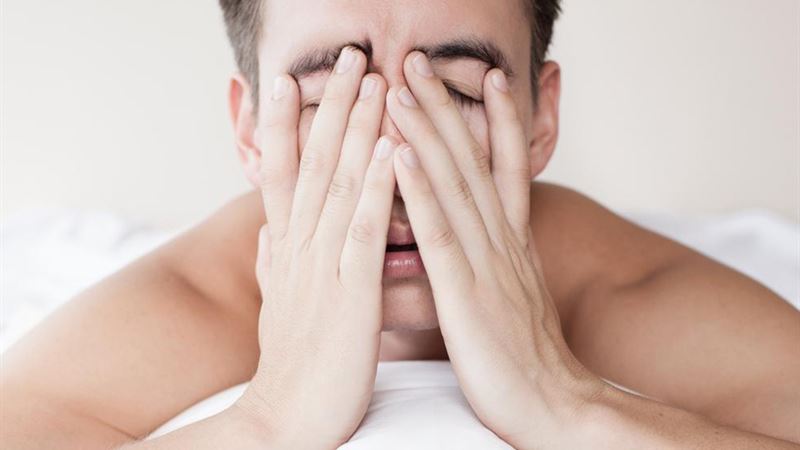
Persistent difficulty falling asleep or staying asleep is often the first sign of a sleep disorder. People experiencing such problems may also report excessive daytime sleepiness despite getting sufficient hours of rest, indicating disrupted sleep cycles that prevent restorative sleep. Other common symptoms include sluggish reflexes, reduced concentration, mood disturbances such as depression, and a general feeling of fatigue throughout the day. Recognizing these symptoms early can lead to timely diagnosis and treatment, preventing the deterioration of mental health and physical health.
Understanding the distinct types of sleep disorders is essential for targeted treatment. Insomnia remains the most common sleep disorder, characterized by persistent difficulty initiating or maintaining sleep, often driven by stress, anxiety, or circadian rhythm disruptions. Sleep apnea involves repetitive interruptions in breathing during sleep, leading to loud snoring and fragmented sleep that results in tiredness. Narcolepsy is a neurological disorder marked by uncontrollable sleep episodes during daytime hours, causing significant impairment in daily activities. Restless leg syndrome (RLS) causes uncomfortable sensations in the legs and an irresistible urge to move them, often worsening at night and impacting sleep quality.
Effective treatment approaches vary depending on the type and severity of the sleep disorder. Medical interventionsmay include prescription medications, such as sleep aids or therapies aimed at underlying issues like anxiety or depression. For sleep apnea, continuous positive airway pressure (CPAP) devices are commonly recommended. Lifestyle modifications are equally vital; maintaining a consistent sleep schedule, limiting screen time before bed, managing stress through relaxation techniques, and adopting a healthy diet rich in vegetables and low in alcohol can dramatically improve sleep quality. Hydration, avoiding caffeine late in the day, and creating a calming bedroom environment reinforce good sleep habits.
Innovative therapies like light therapy and chronotherapy are gaining recognition for managing certain sleep disorders. Light therapy involves exposure to specific light wavelengths to reset circadian rhythms, useful for alignment in cases of jet lag or shift work. Chronotherapy adjusts sleep schedules gradually to establish a regular sleep-wake cycle. These treatments, alongside behavioral therapy and lifestyle changes, offer promising results for individuals struggling with chronic sleep issues.
In conclusion, addressing sleep disorders requires a comprehensive approach that combines medical treatment with lifestyle adjustments. Early recognition of symptoms, proper diagnosis, and personalized treatment plans are essential to restoring healthy sleep patterns. With the right strategies, individuals can mitigate the adverse effects of sleep disorders, enhance their mental and physical health, and lead more energized, productive lives.