
Understanding Scoliosis: Symptoms, Diagnosis, and Effective Treatment Strategies
This comprehensive article explores scoliosis, highlighting key symptoms, diagnostic techniques, and effective treatment options. Early detection and appropriate management, including bracing and surgery, can prevent progression and associated complications. Understanding the factors influencing treatment helps patients make informed choices. Timely intervention ensures better spinal health and improved quality of life. The guide aims to educate individuals about scoliosis for proactive health management.
Scoliosis is a complex condition characterized by an abnormal curvature of the spine. The severity and symptoms can vary widely depending on the degree of spinal deviation and the specific characteristics of each individual case. Recognizing the early signs of scoliosis is crucial for timely intervention, which can prevent progression and reduce the risk of related complications. This comprehensive guide delves into the symptoms to watch for, diagnostic procedures, and the most effective treatment options available for managing scoliosis effectively.
Proper management begins with early diagnosis. Once scoliosis is suspected or identified through screening or physical examination, healthcare professionals will assess the severity and plan a tailored treatment approach. Understanding the different manifestations of scoliosis helps in making informed decisions to ensure optimal outcomes.
Key Symptoms of Scoliosis
Identifying the early physical signs of scoliosis enables prompt medical attention. The typical symptoms include:
Diagnosis Process
Diagnosis of scoliosis involves a detailed physical examination and imaging studies. During physical assessment, the doctor may observe the patient's posture, check for asymmetries, and perform specific tests such as the Adam's Forward Bend Test. This test helps to reveal any abnormal spinal curvature.
Imaging techniques are essential for confirming the diagnosis and determining the severity of scoliosis. X-rays are the primary tools used, providing detailed images of the spinal alignment. The Cobb angle measurement on these images is the standard to quantify the degree of curvature, with specific thresholds guiding treatment decisions.
Understanding Scoliosis Severity
Based on the Cobb angle, scoliosis is classified into mild, moderate, or severe, influencing the treatment approach:
Comprehensive Treatment Options
Effective management of scoliosis depends on various factors, including age, severity, and rate of progression. The main treatment modalities are as follows:
1. Observation and Monitoring
In children or adolescents with mild scoliosis, the primary approach may involve regular monitoring. Healthcare providers typically schedule check-ups every 3 to 6 months to observe any progression. During these visits, they may perform physical exams and repeat imaging if necessary. The goal is to detect any worsening early and adjust treatment accordingly.
2. Bracing Therapy
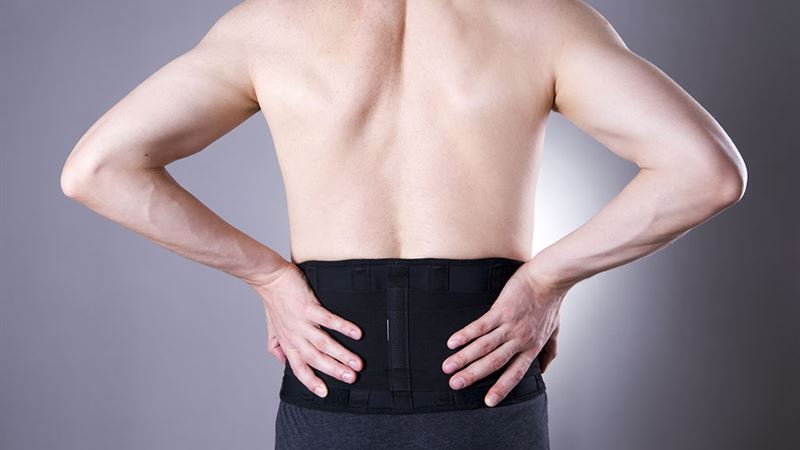
For moderate scoliosis, especially in growing children or adolescents, bracing is a common and effective intervention. The primary purpose of braces is not to correct the existing curve but to prevent further progression. The most widely used braces are made of lightweight plastic, designed to fit snugly around the torso.
These braces are generally worn during the day or night, depending on the severity and type prescribed. They are customizable to fit the individual perfectly, allowing for mobility and activities such as school or sports. Compliance with wearing the brace as recommended significantly influences its effectiveness.
When growth ceases, and the spinal curve stabilizes, braces are typically discontinued.
3. Surgical Intervention
Severe scoliosis, especially if the curve exceeds 45-50 degrees or progresses rapidly, often requires surgical correction to prevent future complications. The most common surgical procedure is spinal fusion, where the affected vertebrae are permanently connected to halt further curvature.
During the procedure, surgeons place bone grafts or synthetic materials between the vertebrae to facilitate fusion. Metal rods, hooks, and screws are used to hold the spine in the correct position until fusion occurs. This stabilization helps to prevent further deformity and alleviates associated symptoms.
Postoperative recovery involves physical therapy and careful monitoring for potential complications such as infection, nerve injury, or hardware issues. The majority of patients experience significant improvement in their quality of life following successful surgery.
Factors Influencing Treatment Decisions
Several key factors influence the choice of treatment for scoliosis, including:
In summary, scoliosis is a manageable condition when diagnosed early. Understanding its symptoms, diagnostic procedures, and the range of available treatments enables patients and caregivers to make informed decisions. Timely intervention can significantly improve outcomes, maintain spinal health, and enhance overall quality of life.
Proper management begins with early diagnosis. Once scoliosis is suspected or identified through screening or physical examination, healthcare professionals will assess the severity and plan a tailored treatment approach. Understanding the different manifestations of scoliosis helps in making informed decisions to ensure optimal outcomes.
Key Symptoms of Scoliosis
Identifying the early physical signs of scoliosis enables prompt medical attention. The typical symptoms include:
- Uneven shoulders: A noticeable height difference between one shoulder and the other.
- Asymmetrical shoulder blades: One shoulder blade appears higher or more prominent than the other.
- Prominent shoulder blade: One shoulder blade sticking out more than the other.
- Spinal rotation: The spine may twist, leading to uneven waistlines or rib cage protrusions.
- Persistent back pain: Severe discomfort or aching can be associated with advanced cases.
- Reduced lung function: The narrowing of the chest cavity due to spinal curve may impair breathing.
- Hip imbalance: One hip may appear higher or more prominent than the other.
Diagnosis Process
Diagnosis of scoliosis involves a detailed physical examination and imaging studies. During physical assessment, the doctor may observe the patient's posture, check for asymmetries, and perform specific tests such as the Adam's Forward Bend Test. This test helps to reveal any abnormal spinal curvature.
Imaging techniques are essential for confirming the diagnosis and determining the severity of scoliosis. X-rays are the primary tools used, providing detailed images of the spinal alignment. The Cobb angle measurement on these images is the standard to quantify the degree of curvature, with specific thresholds guiding treatment decisions.
Understanding Scoliosis Severity
Based on the Cobb angle, scoliosis is classified into mild, moderate, or severe, influencing the treatment approach:
- Mild scoliosis: Cobb angle less than 25 degrees
- Moderate scoliosis: Cobb angle between 25 and 45 degrees
- Severe scoliosis: Cobb angle exceeding 45 degrees
Comprehensive Treatment Options
Effective management of scoliosis depends on various factors, including age, severity, and rate of progression. The main treatment modalities are as follows:
1. Observation and Monitoring
In children or adolescents with mild scoliosis, the primary approach may involve regular monitoring. Healthcare providers typically schedule check-ups every 3 to 6 months to observe any progression. During these visits, they may perform physical exams and repeat imaging if necessary. The goal is to detect any worsening early and adjust treatment accordingly.
2. Bracing Therapy
For moderate scoliosis, especially in growing children or adolescents, bracing is a common and effective intervention. The primary purpose of braces is not to correct the existing curve but to prevent further progression. The most widely used braces are made of lightweight plastic, designed to fit snugly around the torso.
These braces are generally worn during the day or night, depending on the severity and type prescribed. They are customizable to fit the individual perfectly, allowing for mobility and activities such as school or sports. Compliance with wearing the brace as recommended significantly influences its effectiveness.
When growth ceases, and the spinal curve stabilizes, braces are typically discontinued.
3. Surgical Intervention
Severe scoliosis, especially if the curve exceeds 45-50 degrees or progresses rapidly, often requires surgical correction to prevent future complications. The most common surgical procedure is spinal fusion, where the affected vertebrae are permanently connected to halt further curvature.
During the procedure, surgeons place bone grafts or synthetic materials between the vertebrae to facilitate fusion. Metal rods, hooks, and screws are used to hold the spine in the correct position until fusion occurs. This stabilization helps to prevent further deformity and alleviates associated symptoms.
Postoperative recovery involves physical therapy and careful monitoring for potential complications such as infection, nerve injury, or hardware issues. The majority of patients experience significant improvement in their quality of life following successful surgery.
Factors Influencing Treatment Decisions
Several key factors influence the choice of treatment for scoliosis, including:
- Age and growth potential: Younger patients with remaining growth potential are often candidates for bracing to control progression.
- Severity of the curve: Larger or more severe curves are less likely to respond to conservative treatments and may warrant surgery.
- The pattern and location of the curve: Thoracic, lumbar, or thoracolumbar curves may influence treatment choices.
- Rate of progression: Rapidly progressing curves typically require more aggressive intervention.
- Gender: Girls tend to be more susceptible to progressive scoliosis, influencing treatment planning.
In summary, scoliosis is a manageable condition when diagnosed early. Understanding its symptoms, diagnostic procedures, and the range of available treatments enables patients and caregivers to make informed decisions. Timely intervention can significantly improve outcomes, maintain spinal health, and enhance overall quality of life.