
Essential Factors to Consider When Selecting a Snow Plow Attachment for Your Vehicle
Choosing the right snow plow attachment for your vehicle is crucial for efficient winter snow removal. This comprehensive guide covers key considerations such as weight capacity, material type, plow design, and compatibility, ensuring you make an informed decision. Proper selection enhances safety, durability, and performance, saving you time and costs during heavy snowfalls. Whether you have a small truck or a heavy-duty commercial vehicle, understanding these factors helps optimize your snow removal operations and prolongs the lifespan of your equipment. Invest wisely for a smooth winter season.
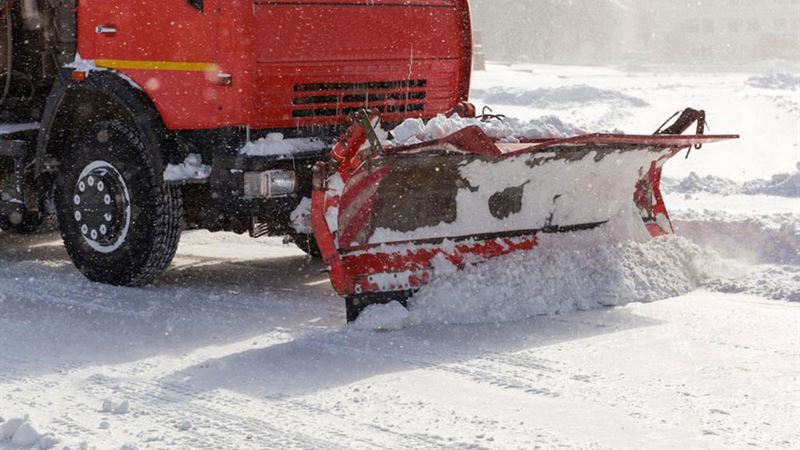
Owning a snow removal business or maintaining a large vehicle for winter conditions requires carefully choosing the appropriate plow attachment for your truck or vehicle. The decision involves assessing several key aspects to ensure optimal performance, durability, and cost-effectiveness. Whether you're investing in a brand-new plow or considering a used one, understanding the critical factors in selection is essential. This comprehensive guide explores the most important considerations to help you make an informed decision and select a snow plow attachment tailored to your vehicle and operational needs.
Understanding the Importance of Vehicle Compatibility and Weight Capacity
One of the primary considerations before purchasing a plow attachment is ensuring that it matches your vehicle's specifications, particularly in terms of size, weight, and power. Each vehicle, from small pickups to heavy-duty trucks, has different capabilities and weight limits. Selecting a plow that is too heavy can compromise your vehicle’s performance and safety, leading to increased wear and tear or even damage to the suspension and braking systems. Conversely, a plow that is too light may not deliver the necessary force to efficiently clear snow, which can prolong the task and reduce effectiveness.
To determine the right weight of the blade for your truck, consult the manufacturer's specifications or a professional advisor. Generally, smaller vehicles such as SUVs, smaller pickups, or Jeeps require lighter blades, typically ranging from 6.5 to 8 feet in width, with weight specifications aligned with their load capacity. Larger trucks, especially those used in commercial snow removal, can handle blades 8 to 10 feet wide, with heavier construction to match the increased pushing power. Proper weight distribution and compatibility ensure optimal functionality without risking damage or compromising safety.
Material Composition of the Plow Blade
Another critical factor to consider is the primary material used in manufacturing the plow blade. The choice of material influences durability, maintenance needs, resistance to corrosion, and overall performance. Most manufacturers produce blades from steel, known for its strength and robustness, capable of handling heavy-duty snow removal tasks with resilience. Steel blades are especially suitable for frequent use and harsh conditions, offering longevity and impact resistance.
On the other hand, polyethylene (plastic) blades are lightweight and tend to require less maintenance over time. They are less prone to corrosion, making them an excellent choice for environments with high moisture or salt exposure. Polyethylene blades are also easier to repair and replace, which can reduce long-term costs. However, they may not withstand extreme impacts as effectively as steel blades and may wear out faster in heavy-duty applications.
Deciding between steel and polyethylene depends on your specific operational demands. For high-volume or rugged snow removal, steel blades are recommended. For lighter, less frequent tasks or when weight savings are crucial, polyethylene blades could be advantageous.
Choosing the Right Type and Features of the Plow
Additionally, selecting the appropriate type of snow plow is vital for maximizing efficiency and ease of use. Common types include straight blades, V-plows, and fold-down or trip-edge plows. Straight blades are simple and effective for clearing large, flat surfaces, while V-plows are versatile for handling both light and heavy snowfalls and are especially useful for pushing snow into compacted piles. Trip-edge plows feature blades that can shift to prevent damage when encountering obstacles, which prolongs their lifespan and reduces repair costs.
Modern snow plows come equipped with various control options, including hydraulic, electric, and mechanical systems. Hydraulic systems are typically more responsive and easier to operate for larger vehicles, while electric controls offer precision and convenience for smaller trucks.
Furthermore, compatibility with your vehicle mount system is essential. Mount types vary by brand and model, so verifying whether the plow is compatible with your truck's mounting system ensures seamless installation and operation. Many manufacturers offer quick-attach and versatile mount options that facilitate fast deployment during snowstorms.
Lastly, consider additional features such as adjustable blade angles, wear strips, curbing edges, and lighting systems, all of which enhance performance, safety, and durability in winter conditions.
By meticulously evaluating these factors—compatibility, material, type, and features—you can select the most suitable plow attachment for your vehicle. Making an informed choice ensures efficient snow clearing, safety, and cost savings, ultimately benefiting your business operations or personal use during the winter months.
Remember, investing in the right snow plow attachment tailored to your vehicle's specifications and your specific needs can significantly improve your snow removal efficiency, reduce downtime, and extend the lifespan of your equipment. Always seek professional advice if unsure, and prioritize quality and compatibility to protect your investment during challenging winter seasons.