
Comprehensive Guide to Choosing the Right Antivirus Software for Your Device
Discover an in-depth guide on selecting the appropriate antivirus software tailored to your device and needs. Learn about key features like real-time scanning, automatic updates, multi-application protection, and advanced malware detection methods. Explore options suitable for Windows, macOS, Android, and iOS, along with tips for making the best security choices. Protect your digital environment effectively with expert advice and comprehensive considerations to prevent malware infiltration and data breaches.
**Understanding the Core Features of Effective Antivirus Software**
- Real-Time Scanning Capabilities - The foundation of solid malware defense lies in real-time scanning. While most antivirus programs claim to detect threats, their efficiency varies widely. An inadequate antivirus might overlook certain viruses or malware, leading to vulnerabilities. Premium antivirus solutions incorporate dynamic real-time scanning that continuously monitors your system for suspicious activity. This feature can be scheduled for automatic scans, ensuring any threats are promptly identified and neutralized before they cause harm. Without this proactive approach, your device remains at risk of infection from emerging malware that can infiltrate unnoticed.
- Frequent and Automatic Software Updates - Cyber threats evolve rapidly. Hackers continuously develop new malware variants to bypass existing security measures. Therefore, an antivirus program must stay current with automatic updates to remain effective. These updates provide newly identified virus definitions and security patches, closing off vulnerabilities that malicious actors may exploit. Reliable antivirus applications support automatic updates, minimizing the chance of outdated protection and ensuring your defense mechanism adapts seamlessly to emerging threats.
- Protection Across Multiple Applications and Platforms - Modern digital ecosystems involve various applications—web browsers, email clients, messaging apps—that serve as entry points for malware. An excellent antivirus must extend its protective shield across all these vectors. Whether you're browsing the internet, exchanging emails, or using social media, multi-app protection helps guard your device comprehensively. Compatibility with different operating systems—Windows, macOS, Android, iOS—is also critical, especially if you operate across multiple devices.
- Auto-Removal of Identified Threats - Detection is only part of the cure; removal is equally important. A top-tier antivirus not only identifies malicious software but also deletes it automatically. Delaying removal until manual intervention can give malware sufficient time to cause widespread damage or steal sensitive data. Auto-cleaning features ensure threats are eradicated instantly, maintaining system integrity and minimizing downtime.
- Comprehensive Malware Detection and Defense - Malware comes in various forms—trojans, viruses, worms, spyware, ransomware, botnets—and each requires specific detection methods. The best antivirus tools utilize a combination of signature-based detection and heuristic analysis. Signature-based methods compare files against known virus definitions, while heuristic analysis detects potentially malicious activities by analyzing behavior patterns. Integrating both approaches allows for early identification of new, unknown threats, providing a robust, multi-layered defense.
**Choosing the Right Antivirus Software for Your Operating System**
- Windows Security Solutions - Windows OS users have a broad selection of antivirus programs, from free tools to premium suites. Built-in options like Windows Defender offer decent baseline protection, including real-time threat detection and malware scanning, especially with recent updates enhancing its capabilities. Paid solutions often provide advanced features such as network security, endpoint protection, and cloud-based scanning. When selecting antivirus for Windows, consider your needs—basic protection or comprehensive security management—then pick a solution that aligns with your usage patterns and budget.
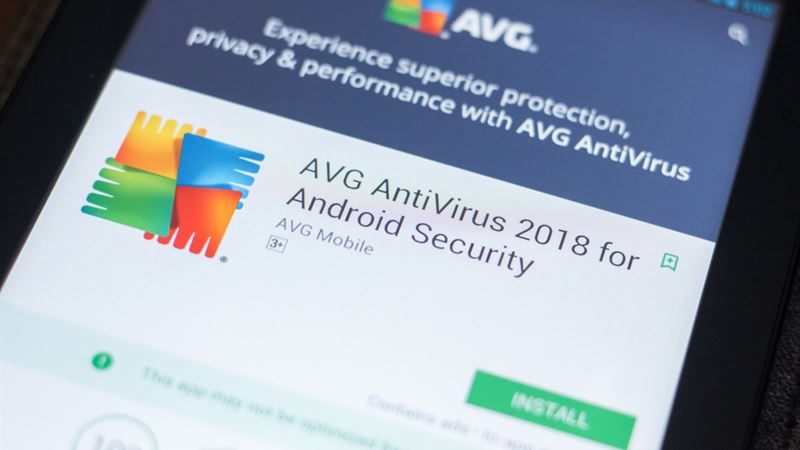
- Android Device Security - The Android platform, while popular, has been a target for malware attacks more than ever before. Many threats stem from malicious apps, adware, and remote control malware. Free antivirus apps, like Avast, provide essential features such as real-time scanning and basic protection. However, upgrading to premium versions unlocks advanced capabilities like anti-theft tools, remote device management, and deep malware scans. Maintaining caution with app downloads and permissions, alongside strong security apps, significantly reduces the risk of infection.
- Protection for macOS and iOS Devices - Despite perceptions of Apple devices being immune, Macs and iPhones are susceptible to viruses and malware, especially as their popularity increases. Apple’s ecosystem requires dedicated security solutions capable of detecting threats specific to these operating systems. Various third-party antiviruses offer malware removal, real-time monitoring, and privacy protection features tailored for macOS and iOS. Regular software updates, cautious app installation, and trusted security apps together ensure your Apple device remains protected against evolving cyber threats.
**Advanced Detection Techniques and System Compatibility**
- Signature-Based Identification - This traditional method involves comparing files against known malware signatures. It is highly effective against well-documented threats but requires constant updates to recognize new variants.
- Heuristic Analysis - For discovering unknown or modified malware, heuristic analysis examines code behavior to flag suspicious activities. This technique enhances detection capabilities, especially against zero-day threats.
- Cross-Platform Compatibility - Many modern antivirus solutions support multiple operating systems, allowing users to protect all their devices with a single license. Cross-platform compatibility simplifies security management and offers consistent protection across your digital environment.
**Additional Considerations When Choosing an Antivirus**
- User Interface and Ease of Use - An intuitive interface ensures you can operate the software easily, schedule scans, and interpret alerts without hassle.
- System Impact - Effective antiviruses should not slow down your device significantly. Look for lightweight solutions that run efficiently in the background.
- Customer Support - Reliable technical support can be invaluable, especially if you encounter issues or need assistance setting up or optimizing security features.
- Cost and Licensing - Consider your budget. Free versions offer basic protection, but premium plans with added features might be worth the investment for comprehensive security.
**Conclusion: Prioritize Your Digital Security**
Choosing the right antivirus software is a pivotal step in safeguarding your digital assets, personal data, and privacy. Evaluate your device’s operating system, typical use cases, and the level of threat you might face. Incorporate factors such as real-time protection, automatic updates, malware versatility coverage, and user-friendliness into your decision-making process. Remember, no software can guarantee absolute security, but a robust, well-chosen antivirus significantly reduces the risk and provides peace of mind in an increasingly hostile cyber landscape. Regularly updating your security tools and practicing good cybersecurity habits are the best ways to stay protected.