
Comprehensive Guide to the Vital Role of Family Nurses in Modern Healthcare
Discover the comprehensive role of family nurses, their responsibilities, skills, and importance in delivering personalized healthcare. Learn how they collaborate within healthcare teams, manage chronic diseases, and assist patients across various settings. This detailed guide emphasizes their vital contribution to enhancing patient wellbeing and the healthcare system's efficiency, highlighting how to find and hire qualified family nurses for optimal care.
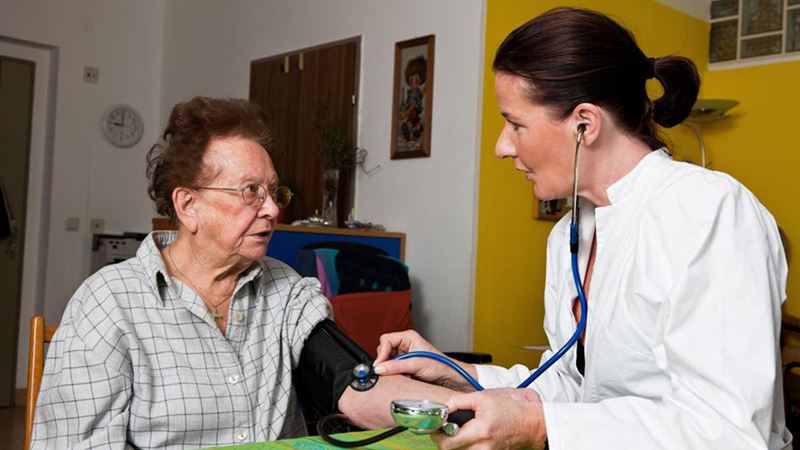
Understanding the scope and significance of a family nurse's role is crucial for patients, families, and healthcare organizations. These professionals serve as the bridge between patients and complex medical systems, ensuring that individualized care remains accessible, affordable, and effective. They are trained to handle a diverse range of health concerns, from minor illnesses to managing life-threatening conditions, all while providing emotional support and education to empower patients.
The Diverse Responsibilities of Family Nurses
- Monitoring health status, identifying early signs of illness, and managing minor ailments across all age groups. Family nurses perform regular health assessments, physical examinations, and health screenings to catch potential issues before they escalate.
- Developing and implementing personalized treatment plans for acute and chronic conditions. This includes managing diseases such as diabetes, hypertension, COPD, and heart failure, tailored to each patient's unique needs.
- Providing primary health care services, including health promotion, disease prevention, and health maintenance. They advocate for healthy lifestyles and preventive strategies to reduce long-term health risks.
- Prescribing medications and therapeutic interventions, ordering diagnostic tests, interpreting results, and coordinating care with other healthcare professionals. Family nurses may assist in minor surgical procedures and wound care as needed.
- Facilitating patient education, offering guidance on managing health conditions, medication adherence, and lifestyle modifications. Empowered patients are more likely to participate actively in their health management.
- Referring patients to specialists or advanced care when necessary. Family nurses serve as pivotal connectors within the healthcare network, ensuring seamless transitions of care.
- Participating in community outreach programs, health fairs, and public health initiatives to promote awareness and preventative health measures across diverse populations.
Ensuring a collaborative approach, family nurses often work closely with physicians, specialists, therapists, and social workers. This interdisciplinary teamwork fosters comprehensive patient care, especially for those with complex, multi-system health issues.
Work environments for family nurses are varied and designed to meet different community health needs. Common settings include clinics, private practices, home health services, community health centers, school clinics, hospice care facilities, and nurse-managed health centers. Each setting demands specific skills, adaptability, and cultural sensitivity.
Essential Insights About Family Nurses
- Accessing Family Nurses — Patients can find qualified family nurses through hospital clinics, private practices, health agency directories, or online platforms specializing in healthcare staffing. Many websites now facilitate connecting families with certified nurse practitioners for remote or in-person care.
- Assisting in Managing Chronic Conditions — Family nurses are pivotal in caring for patients with long-term illnesses like rheumatoid arthritis, COPD, or congestive heart failure. They provide continuous support, medication management, symptom monitoring, and education to improve patient outcomes.
- Collaborating with Healthcare Teams — Most family nurses work in tandem with physicians, specialists, and allied health professionals to deliver holistic care, coordinate treatment plans, and ensure consistent follow-up for chronic disease management.
- Extensive Training and Knowledge — Equipped with a comprehensive nursing education, including a Bachelor of Science in Nursing (BSN) or higher, family nurses also possess proficiency in electronic health records (EHR), patient communication, and evidence-based practice. Their education emphasizes both technical skills and compassionate care.
- Insurance and Cost Consideration — Usually classified under primary care providers, family nurses' services are often covered by insurance plans. When not explicitly covered, patients might need to seek services through physicians to mitigate additional out-of-pocket expenses.
Attributes and competencies that define excellent family nurses include compassion, effective communication, meticulous attention to detail, confidence, adaptability, critical thinking, strong ethics, and a dedication to continuous learning and professional growth.
Guidelines for Hiring a Family Nurse Practitioner
- Identifying Needs — Clearly determine the specific healthcare needs of your family or community. Knowing whether you're seeking help with chronic disease management, routine health monitoring, or health education helps narrow down candidates.
- Verifying Qualifications — Ensure the nurse's credentials are valid, including a current nursing license, relevant certifications, and specialized training if required. Check their work history, patient reviews, and references to assess their competency.
- Searching Online — Numerous platforms and professional organizations list licensed family nurse practitioners who work independently or within healthcare facilities. Utilize these resources for reliable options.
- Conducting Interviews — Prepare questions about their clinical experience, challenging cases, patient care philosophy, technological proficiency, and career aspirations. Personal interaction helps gauge their compatibility with your expectations and values.
In summary, family nurses are integral to modern healthcare, providing personalized, accessible, and holistic care. Their ability to adapt to diverse patient needs and work settings enhances healthcare efficiency and patient satisfaction, making them invaluable members of the medical community.
- Verifying Qualifications — Ensure the nurse's credentials are valid, including a current nursing license, relevant certifications, and specialized training if required. Check their work history, patient reviews, and references to assess their competency.