
Comprehensive Guide to Server Monitoring Solutions and Their Critical Role in Business Stability
Discover the vital role of comprehensive server monitoring services in ensuring business continuity. This guide covers key features, benefits, customization options, and how these solutions help organizations prevent downtime, optimize performance, and enhance security. Learn how to select the best monitoring tools to maintain seamless operations and minimize risks in a rapidly evolving digital environment.
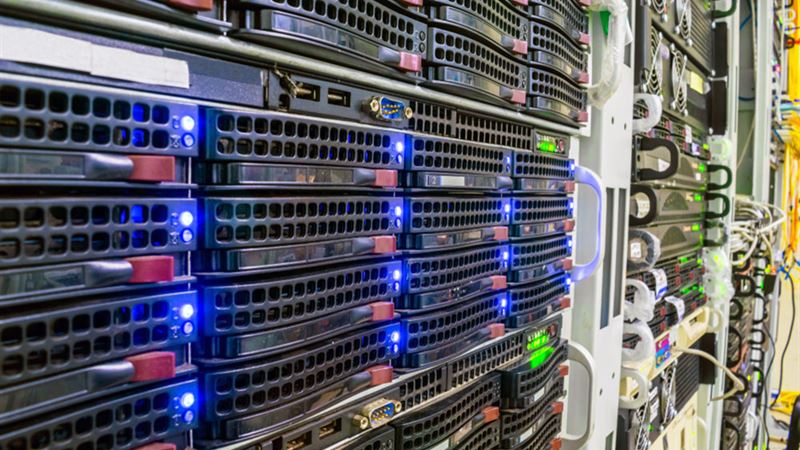
In today's digital landscape, maintaining the health and performance of servers is vital for business continuity. Server monitoring services are essential tools that provide real-time insights into the operational status of servers, detecting issues before they escalate into significant downtimes. These services encompass monitoring various server components, including operating systems, hardware health, network traffic, memory utilization, and more, ensuring that every aspect functions seamlessly.
Choosing the right server monitoring provider is a crucial decision for businesses aiming to minimize downtime and optimize performance. The ideal provider offers comprehensive features and round-the-clock support, allowing immediate alerts to be dispatched when anomalies occur. This proactive approach facilitates swift intervention, preventing potential data losses, revenue disruptions, and reputation damage associated with server failures. Prompt response not only safeguards business operations but also enhances customer satisfaction and operational efficiency.
Most reputable server monitoring solutions are delivered through proprietary software that is installed directly onto client systems. These tools provide an intuitive dashboard displaying critical server parameters, including processing loads, hardware status, software processes, and network activity. They enable administrators to visualize system health at a glance and identify bottlenecks or faults quickly. The monitoring interface also offers customizable alerts, allowing teams to prioritize issues based on severity and impact.
One of the significant advantages of modern server monitoring services is their alert mechanisms. These systems notify users immediately when irregularities are detected, such as loss of network contact, server crashes, or hardware malfunctions. Alerts can be configured to generate emails, SMS notifications, or through integrated communication platforms, ensuring that responsible personnel are informed without delay. Additionally, comprehensive reporting features generate detailed analyses of server performance over time, helping in capacity planning and resource allocation.
Flexibility and customization are hallmarks of leading server monitoring solutions. They enable organizations to tailor alert settings and responses according to specific operational needs. For example, a financial institution might require instant alerts for any server downtime affecting transaction systems, while a less critical service might prioritize weekly summaries. Custom response protocols can include automatic scripts to restart services, allocate additional resources, or notify support teams, streamlining incident management.
Implementing robust server monitoring services provides peace of mind to IT teams and executive management. Continuous surveillance ensures that potential issues are identified early and addressed promptly, significantly reducing unplanned outages. This proactive approach allows businesses to focus on strategic initiatives rather than firefighting server problems, fostering growth and innovation. Moreover, early detection of security vulnerabilities or hardware faults complements overall risk management efforts.
As cloud computing and remote work become more prevalent, the importance of server monitoring has grown exponentially. Distributed systems require sophisticated tools capable of managing complex infrastructures and multiple data centers. Cloud-based monitoring solutions offer scalable and flexible options, integrating seamlessly with various platforms and services. These systems ensure that regardless of location or architecture, server health remains consistently monitored and secured.
Choosing an appropriate server monitoring strategy involves evaluating factors such as scalability, ease of integration, cost, and vendor reputation. Businesses should consider their specific needs, including compliance requirements, required response times, and reporting capabilities. Investing in a reliable solution can significantly improve operational stability, optimize resource utilization, and contribute to overall business resilience.
In conclusion, server monitoring services are indispensable in maintaining high availability, performance, and security of server infrastructure. They facilitate real-time insights and instant alerts, enabling proactive management of server health. By selecting a suitable provider and utilizing advanced monitoring tools, organizations can prevent costly downtimes, ensure customer satisfaction, and support long-term growth.