
Comprehensive Role of PET Imaging in Lung Cancer Detection and Progression Assessment
This comprehensive article explores the vital role of PET imaging in diagnosing and staging lung cancer. It covers the procedure, advantages, how it aids in accurate staging, and its importance in personalized treatment planning. Learn how PET scans detect metabolically active cancer cells, determine disease extent, and improve prognosis. With advancements in technology, PET imaging remains a cornerstone in modern oncology, ensuring early detection, precise staging, and effective management of lung cancer, ultimately improving patient outcomes through tailored therapies and ongoing monitoring.
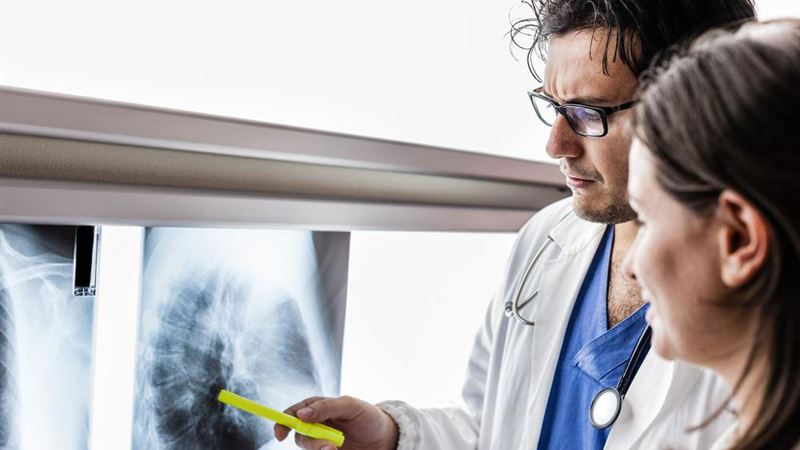
Positron Emission Tomography (PET) scans have become an essential diagnostic and staging tool in modern lung cancer management. When combined with advanced imaging techniques such as computed tomography (CT), PET scans offer physicians a powerful means to visualize lung tissue at a microscopic level, providing critical information on tumor presence and spread. Patients presenting with symptoms indicative of lung malignancy—such as persistent coughing, chest pain, unexplained weight loss, or hemoptysis—are often recommended to undergo these advanced imaging procedures. The integrative nature of PET/CT scans enhances diagnostic accuracy, allowing for early detection, precise staging, and tailored treatment planning.
Understanding the PET Scan Procedure for Lung Cancer Diagnosis
The process begins with the administration of a radiotracer, typically fluorodeoxyglucose (FDG), a radioactive glucose analog. This solution is injected into the patient's bloodstream approximately 60 minutes before the scan, providing sufficient time for the tracer to accumulate in metabolically active tissues. Cancer cells exhibit heightened glucose metabolism, causing them to absorb more of the radioactive tracer, which makes them stand out on imaging. The patient lies comfortably on a platform that slides into a large, tunnel-shaped scanner. During the scan, tissues emitting gamma rays—produced as the tracer decays—are detected by sensitive detectors around the patient’s body. The scanner constructs detailed three-dimensional images that allow radiologists and oncologists to differentiate malignant tissue from normal lung tissue effectively. The entire procedure is quick, often completed within 30 to 60 minutes, and exhibits minimal discomfort—chiefly the minor prick of the injection needle.
The Significance of PET Imaging in Staging Lung Cancer
Staging is a crucial step in lung cancer management, determining the extent of tumor spread and guiding treatment decisions. PET scans significantly enhance staging accuracy by revealing the full extent of metastatic disease, including lymph node involvement and distant organ metastases. Lung cancer is classified from stage I (localized disease) to stage IV (advanced metastatic disease), which directly impacts prognosis and therapy options. Tumorous tissues with high growth rates tend to uptake more FDG, enabling clinicians to distinguish between indolent and aggressive lesions. This precise visualization aids in delineating tumor boundaries, assessing whether the cancer has invaded nearby structures, and confirming the absence or presence of metastasis. Consequently, PET imaging informs critical choices such as surgical resection, chemotherapy, radiation therapy, or targeted biological treatments.
The procedure is generally well-tolerated, and side effects are rare. The only potential discomfort comes from the injection, which might cause a brief sting or mild swelling. The ability of PET scans to provide real-time insights into tumor behavior makes them indispensable in contemporary lung cancer care. Furthermore, repeated scans can monitor treatment response, helping clinicians optimize therapy regimens and adapt strategies based on tumor response.
Expanding advancements in PET technology, including the use of novel tracers and hybrid imaging systems, continue to enhance its diagnostic capabilities. Overall, PET scans have revolutionized lung cancer diagnosis and management by offering detailed, accurate information that guides precise and personalized treatment approaches.