
Comprehensive Guide to Various Car Engine Types You Should Know
This comprehensive guide explores different car engine types, including inline, V-shaped, W-shaped, and OPOC engines. It highlights their features, advantages, and maintenance considerations, helping enthusiasts and vehicle owners deepen their understanding of automotive engineering. Learn how each engine type affects vehicle performance, efficiency, and durability to make informed decisions about your vehicle. Whether you're upgrading or simply curious about engine designs, this detailed overview covers key insights into modern automotive powerplants, emphasizing innovation and efficiency.
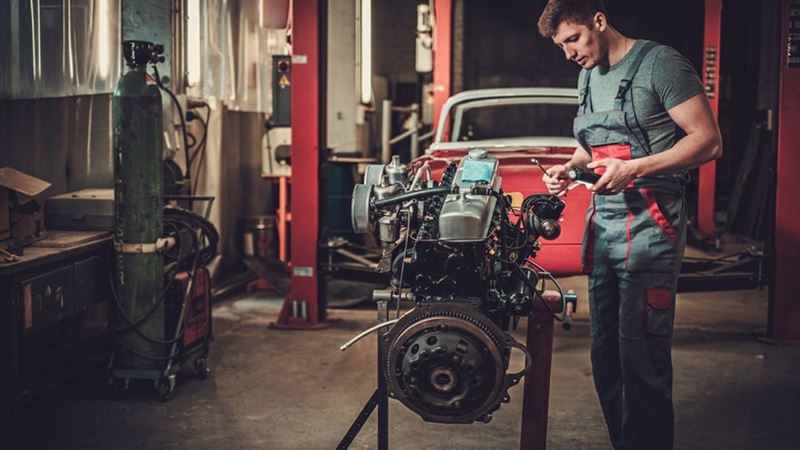
Understanding the different types of car engines is essential for automobile enthusiasts, mechanics, and vehicle owners alike. Each engine design has unique features, advantages, and maintenance requirements. This detailed guide explores the most common and notable engine types found in modern vehicles, including inline, V-shaped, W-shaped, and Opposed Piston Opposed Cylinder (OPOC) engines. By familiarizing yourself with these variations, you can better appreciate the engineering behind your vehicle and make informed decisions about maintenance, upgrades, or purchases.
One of the most prevalent engine configurations is the inline engine, especially favored in many compact and subcompact cars such as hatchbacks. Inline engines are characterized by cylinders arranged in a single straight line. This setup is praised for its simplicity, space efficiency, and fuel economy. An inline engine's straightforward design makes it easier to manufacture and repair, making it a popular choice among automakers striving for cost-effective production and reliable performance.
In contrast, the V engine layout arranges cylinders in two banks that form a V shape when viewed from the front. This configuration allows for a more compact engine with a reduced length compared to inline engines, which is particularly beneficial in performance and luxury vehicles where space efficiency and weight distribution are critical. V engines are known for their smooth operation and high power output, making them ideal for sports cars, SUVs, and performance-oriented vehicles. The V shape also helps balance the engine, reducing vibrations and enhancing durability.
Another less common yet highly significant engine type is the W engine, famously associated with high-performance vehicles manufactured by brands like Volkswagen, Bugatti, and Bentley. The W engine's design involves multiple cylinder banks arranged in a W-shaped configuration, effectively combining two V engines into a single, compact unit. W engines are often employed in ultra-luxury and super-fast automobiles due to their incredible power density and efficient use of space. For example, the Bugatti Veyron and Bentley Mulsanne utilize W engines to achieve extraordinary performance levels. Despite their complexity and manufacturing costs, W engines provide unmatched power in a relatively small footprint, making them a marvel of automotive engineering.
Additionally, the OPOC (Opposed Piston Opposed Cylinder) engine is an innovative design that features two cylinders facing each other with no traditional valves. Instead, these engines utilize a unique piston arrangement where pistons move towards each other, simplifying the valve mechanism and reducing mechanical losses. OPOC engines are notably smaller, lighter, and capable of producing high power outputs with minimal vibrations and low bearing loads. Their valve-less design results in fewer moving parts and enhanced reliability, making them a promising technology for future vehicle applications. Their compact size and high efficiency make them suitable for use in various vehicle types, from motorcycles to heavy-duty trucks.
The choice of engine type significantly influences a vehicle's performance, fuel efficiency, maintenance needs, and overall lifespan. Each engine configuration offers a unique set of benefits and challenges. Regular maintenance and expert mechanical advice are crucial to keep these engines running smoothly and to maximize their longevity. Whether you own a compact car, a luxury sedan, or a commercial vehicle, understanding these engine types can help you appreciate the engineering marvels beneath the hood and make smarter vehicle choices.
In summary, the landscape of automotive engines is diverse and continuously evolving. From traditional inline engines to cutting-edge W and OPOC designs, each engine type has contributed to the advancement of vehicle performance and safety. As technology progresses, new engine configurations and hybrid systems are emerging to meet the demands for greener, more efficient transportation. Staying informed about these various engine types helps drivers, mechanics, and industry professionals stay ahead in the ever-changing world of automobiles.
Understanding these engine types and their characteristics not only enhances your appreciation of automotive engineering but also assists in making better maintenance and purchasing decisions. Whether you're interested in the simplicity of inline engines or the power-packed performance of W and OPOC configurations, knowing your options allows for more tailored vehicle choices and optimized driving experiences.