
Comprehensive Comparison Between iPhone 12 and iPhone 12 Mini: Features, Performance, and Pricing
This comprehensive comparison explores the features, design, performance, and pricing of the iPhone 12 and iPhone 12 Mini. It highlights key differences such as size, battery life, and camera capabilities, helping consumers make an informed choice. Both devices integrate 5G, innovative displays, and powerful processors, but cater to different user preferences. Whether you seek a compact or larger-screen phone, this guide provides valuable insights into each model’s strengths, ensuring you select the best iPhone to match your lifestyle and budget. Perfect for tech enthusiasts and prospective buyers alike.
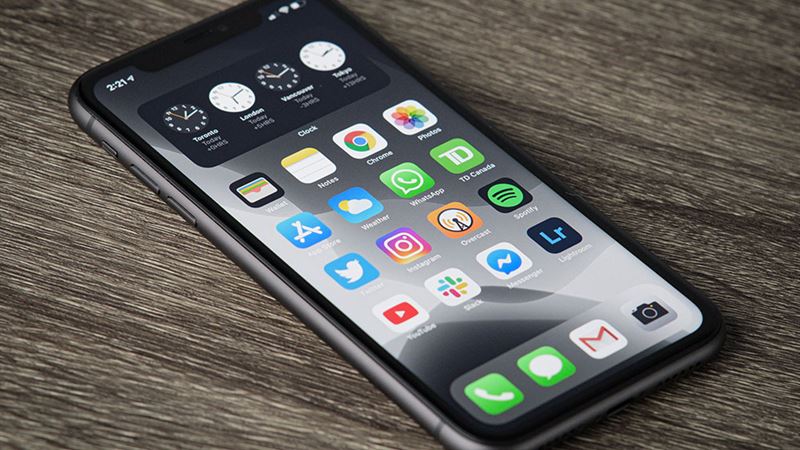
Introduction to the iPhone 12 Series
The iPhone 12 series marks a pivotal shift in Apple's smartphone design and technology, heralding a new era of 5G connectivity, enhanced performance, and sleek aesthetics. Launched in October 2020, the series comprises four models, with the iPhone 12 and iPhone 12 Mini standing out for their focus on size and portability without compromising on power. Both models incorporate the latest A14 Bionic chip, OLED display technology, and MagSafe compatibility, setting new standards in mobile innovation. As consumers increasingly prefer compact yet powerful devices, the Mini variant offers a unique blend of portability and performance.
Core Features Shared by iPhone 12 and iPhone 12 Mini
- Design and Build: Both models adopt a refined aluminum frame with Ceramic Shield front cover, offering enhanced durability. They feature a flat-edge design reminiscent of earlier iPhone iterations, making them comfortable to hold and visually striking.
- Display Technology: Each device boasts a Super Retina XDR OLED display, delivering vibrant colors, deep blacks, and high contrast ratios. The iPhone 12 has a 6.1-inch display, whereas the Mini's display measures 5.4 inches, catering to different user preferences for size.
- Processor and Performance: Powered by the A14 Bionic chip, both phones deliver exceptional speed, efficiency, and gaming performance, ensuring smooth multitasking and future-proofing for upcoming updates.
- Connectivity: Integrated with 5G capabilities, these devices support faster download and streaming speeds, enhanced network reliability, and improved overall connectivity.
- Camera System: Both models include dual 12 MP rear cameras, featuring wide and ultra-wide lenses, Night mode, Deep Fusion, and Smart HDR 3. These features enable high-quality photos in various lighting conditions.
- MagSafe Technology: The magnetic accessory ecosystem allows for easy attachment of wireless chargers, cases, and wallets, enhancing user convenience and customization.
- Operating System: Running iOS 14 at launch (upgradable), they offer a range of software features, security enhancements, and regular updates to ensure a seamless user experience.
Differences in Design and Size
The most noticeable difference between the iPhone 12 and iPhone 12 Mini lies in their physical dimensions. The iPhone 12 features a 6.1-inch display, making it a popular choice for users seeking a balance between screen size and portability. Conversely, the Mini's compact 5.4-inch display appeals to those prioritizing a smaller device that's easier to handle one-handed.
In terms of weight, the iPhone 12 weighs approximately 5.78 ounces (164 grams), while the Mini is significantly lighter at 4.76 ounces (135 grams). This reduction in weight enhances portability and ease of use, especially for users who prefer a phone that fits comfortably into pockets or small hands.
The overall shape and design language are consistent across both models, with flat edges and sleek profiles, but the Mini's smaller footprint makes it more pocket-friendly and less obtrusive.
Camera Capabilities and Imaging Features
- iPhone 12 5G: Equipped with a dual 12 MP wide (f/1.6 aperture) and ultra-wide (f/2.4 aperture) camera system, the device offers advanced photographic features like Night mode, Deep Fusion, and Smart HDR 3. The wider aperture on the main camera allows for superior low-light performance and faster shutter speeds, capturing brighter photos even in challenging lighting conditions.
- iPhone 12 Mini: Equipped with the same dual 12 MP camera setup but with a slightly smaller overall size. While the camera hardware is identical, the Mini's compact size means its camera features are optimized for everyday capturing, with the same night and HDR capabilities. The primary wide lens also features an f/1.6 aperture, ensuring high-quality images across lighting scenarios.
The camera differences are minimal at the hardware level; however, the size of the sensor and lens impact actual photo quality, with the iPhone 12 generally having a slight edge due to its larger form factor, allowing for better image stabilization and low-light performance in some situations.
Display Technologies and User Experience
The Super Retina XDR displays on both devices offer stunning visual quality, with deep blacks and vibrant color reproduction. The 6.1-inch screen of the iPhone 12 provides a broader viewing area, making it ideal for media consumption, gaming, and multitasking. The 5.4-inch display on the Mini, while smaller, maintains excellent color accuracy and contrast, making it a compelling option for users who prioritize portability.
Both displays support HDR content and have True Tone technology, adapting color temperature based on ambient lighting for more natural viewing experiences. The smaller form factor of the Mini makes it easier to operate with one hand, while the larger iPhone 12 is better suited for users seeking immersive viewing experiences.
Battery Life and Charging
Battery capacity plays a crucial role in user satisfaction. The iPhone 12 guarantees approximately 17 hours of video playback, thanks to its larger battery and optimized power management. The iPhone 12 Mini, however, offers about 15 hours of video playback, which is still impressive given its smaller size.
Charging capabilities are consistent across both models, supporting fast charging via USB-C to Lightning cables and MagSafe wireless charging. Users can expect to recharge their devices quickly and conveniently, whether at home or on the go.
Real-world usage indicates that the larger battery in the iPhone 12 affords longer usage between charges, an essential consideration for heavy users or those on the move.
Pricing and Availability
- The starting price for the iPhone 12 with 64 GB storage is approximately $799. Higher storage options are available at increased prices, such as 128 GB and 256 GB variants, which cater to users with extensive media libraries or professional needs.
- The iPhone 12 Mini begins at $699 for the base 64 GB model, making it a more affordable option for users seeking premium features in a compact form factor.
- Pre-orders for both devices opened on October 16th, 2020, with official sales commencing on October 23rd. They are available through online channels and retail stores worldwide, with various carrier options and color choices.
With the pricing strategies, Apple aims to target different segments: the Mini for budget-conscious consumers or those preferring small devices, and the standard iPhone 12 for users demanding larger screens and longer battery life.
Final Thoughts: Which Model is Right for You?
Selecting between the iPhone 12 and iPhone 12 Mini depends on individual preferences related to size, battery life, and usage habits. If you desire a device with a larger display, longer battery life, and slightly enhanced camera performance, the iPhone 12 is an excellent choice. However, if you prioritize portability, one-handed use, and a lower price point, the iPhone 12 Mini delivers high-end features in a highly compact package.
Both models represent the pinnacle of modern smartphone technology, combining 5G connectivity, advanced processors, and superb display quality. Your choice ultimately hinges on what aspects matter most to your daily smartphone experience.
In summary, the iPhone 12 series offers versatile options that cater to diverse user needs, ensuring everyone can find a device that fits their style, requirements, and budget. As Apple continues to innovate, these models set a high standard for performance and design excellence in the smartphone industry.